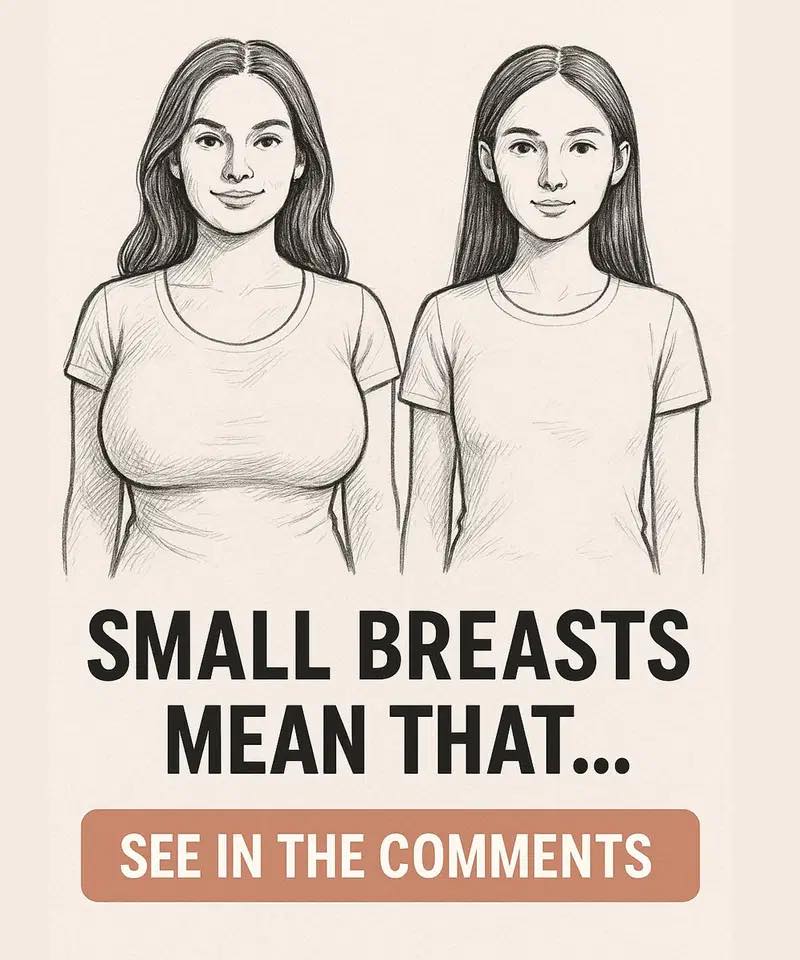
In a world shaped by social media, advertising, and cultural expectations, conversations about body image have become more widespread than ever. While this growing awareness can be helpful, it has also contributed to the spread of many myths about physical appearance. One of the most common misconceptions is that certain body features, such as breast size, height, or overall shape, can reveal deeper truths about a person’s health, personality, or lifestyle.
In reality, these beliefs are not supported by science. The human body is incredibly diverse, and physical traits are influenced by a complex combination of genetics, hormones, and natural biological development. Understanding this can help people move away from harmful assumptions and toward a more informed and respectful perspective.
When it comes to body characteristics like breast size, these are largely determined by genetic inheritance and hormonal changes that occur during puberty and continue throughout life. Every individual develops differently, and these variations are completely normal. Medical professionals consistently point out that there is no meaningful connection between a specific physical trait and a person’s intelligence, behavior, or overall well-being. For example, breast size does not indicate anything about a person’s fitness level, fertility, or lifestyle. It is simply one aspect of natural human variation.
Despite this, myths and stereotypes about body image continue to circulate widely. These ideas can have a real impact, especially on younger individuals who are still forming their sense of identity. Exposure to unrealistic standards or misleading information can lead to unnecessary comparisons, lower self-esteem, and a distorted view of what is considered “normal.” Over time, this can affect both mental and emotional health.
This is why promoting accurate, science-based information is so important. When people understand that differences in appearance are a natural part of being human, they are more likely to develop a positive self-image and treat others with greater respect. Shifting the focus away from appearance and toward overall well-being can make a meaningful difference in how individuals see themselves.
Health experts encourage people to prioritize habits that truly support long-term wellness. A balanced lifestyle that includes proper nutrition, regular physical activity, adequate rest, and stress management plays a far more important role in overall health than any single physical feature ever could. These daily choices contribute not only to physical health but also to mental clarity and emotional stability.
At the same time, embracing body positivity can help individuals feel more confident and comfortable in their own skin. Body positivity is not about ignoring health, but rather about accepting natural differences without judgment or comparison. Confidence grows when people learn to appreciate themselves as they are, instead of trying to meet unrealistic or artificial standards.
Creating a more supportive environment also plays a key role in improving how people experience body image. When conversations are based on respect and understanding rather than criticism or assumptions, it becomes easier for individuals to feel accepted. Encouraging kindness, avoiding harmful comparisons, and sharing reliable information can all contribute to a healthier and more inclusive mindset.
In the end, physical traits do not define a person’s value, abilities, or health. Every individual is unique, and those differences should be recognized as a normal and positive part of human diversity. By focusing on facts instead of myths and promoting self-acceptance, it becomes possible to build a more balanced and supportive view of body image.
True well-being is not determined by appearance, but by how a person feels, lives, and takes care of themselves each day.