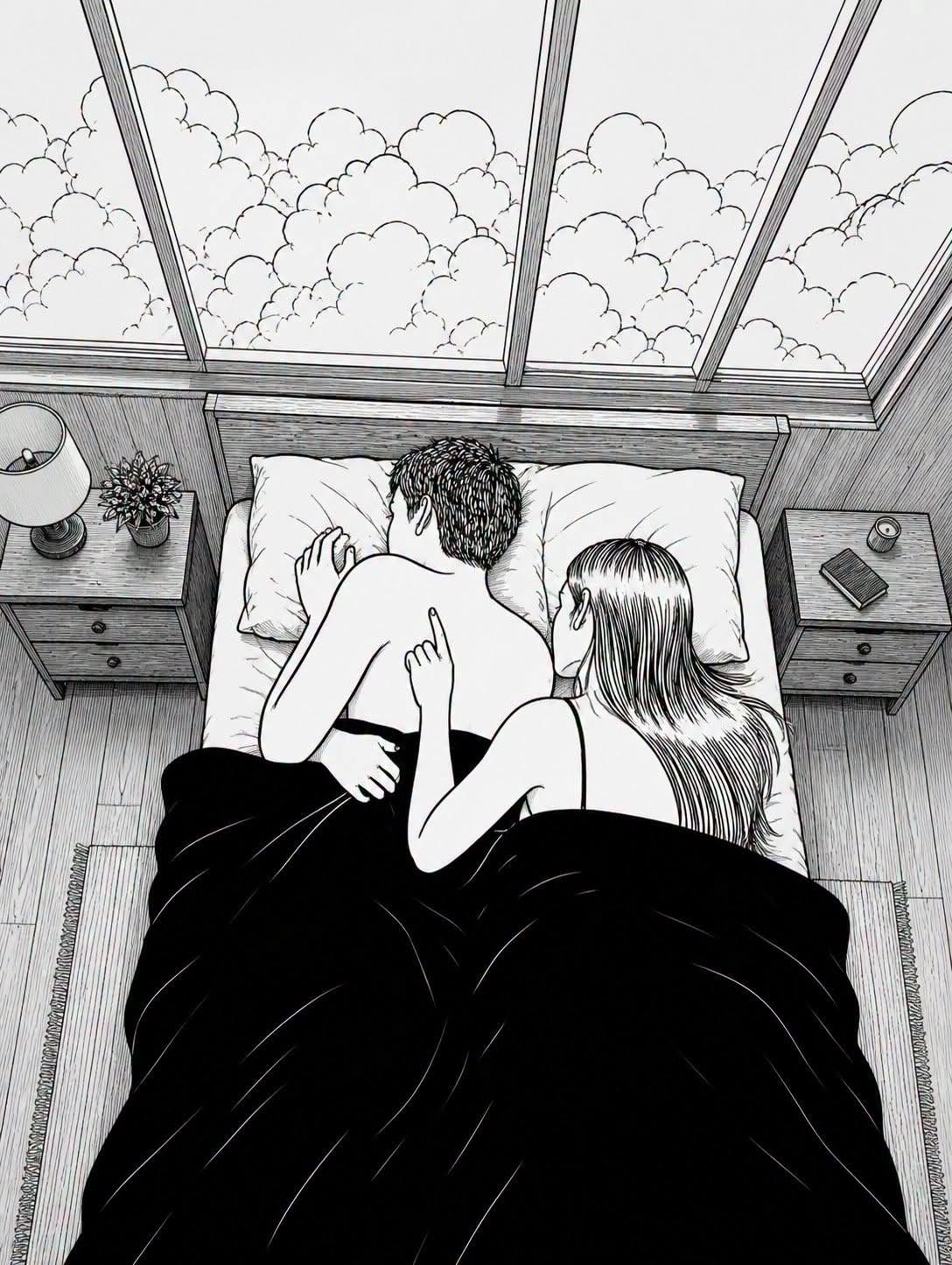
Many people notice their partner’s sleeping habits and wonder whether certain positions reveal something about the relationship. One of the most common questions is what it means when a partner regularly sleeps facing away. While it may seem like a sign of emotional distance, sleep experts and relationship professionals explain that the answer is often much simpler than people expect.
For many individuals, sleeping in a particular direction is all about comfort. Everyone has a preferred sleeping position that allows them to rest more peacefully. Some people find it easier to breathe, reduce pressure on their shoulders, or stay cooler when they sleep facing away. Others naturally move into different positions throughout the night without even realizing it. In many cases, the direction someone faces while sleeping has nothing to do with their feelings toward their partner.
Having a little personal space while sleeping can also be completely normal. Sharing a bed does not mean couples need to remain in constant physical contact throughout the night. Many happy and long-lasting relationships include partners who naturally sleep with some distance between them because it helps both people enjoy a better night’s sleep. Feeling comfortable enough to rest naturally can actually reflect trust and security within the relationship.
If your partner has recently started sleeping differently, there may be several possible explanations. Daily stress, work responsibilities, anxiety, or mental fatigue can all influence sleeping habits. During stressful periods, people often change positions without being aware of it as their bodies look for the most comfortable way to relax. Rather than assuming the change reflects a relationship problem, it is worth considering whether outside pressures may be affecting their sleep.
Physical comfort is another important factor. Neck pain, back discomfort, shoulder stiffness, allergies, sinus congestion, or even changes in room temperature can cause someone to sleep facing a particular direction. These practical reasons are far more common than many people realize. Sometimes a new pillow, a different mattress, or minor physical discomfort is all it takes to change a person’s preferred sleeping position.
It is also important to remember that everyone has unique sleep habits. Sleep specialists explain that most people change positions several times during the night. Even if your partner falls asleep facing away, they may turn toward you later without either of you noticing. Some people remain in one position for hours, while others move frequently throughout the night. These natural differences are part of healthy sleep and are not usually connected to relationship satisfaction.
If a sleeping position leaves you feeling uncertain, experts recommend focusing on communication rather than assumptions. A calm and honest conversation is a much better way to understand how your partner is feeling than trying to interpret body language during sleep. Asking whether they are sleeping comfortably or whether anything has been causing stress can open the door to supportive conversations and prevent unnecessary misunderstandings.
Relationship health is best measured by everyday interactions rather than a single sleeping habit. The way partners communicate, support one another during difficult times, spend quality time together, and show mutual respect provides a much clearer picture of the strength of a relationship than the direction someone faces while sleeping.
In the end, a partner sleeping with their back turned is not automatically a sign that something is wrong. More often than not, it simply reflects personal comfort, natural sleep habits, or temporary physical and emotional factors. Every couple develops their own routines, and sleeping positions are just one small part of a much larger relationship. When trust, communication, and mutual care remain strong, the direction someone faces at bedtime is usually far less meaningful than many people imagine.