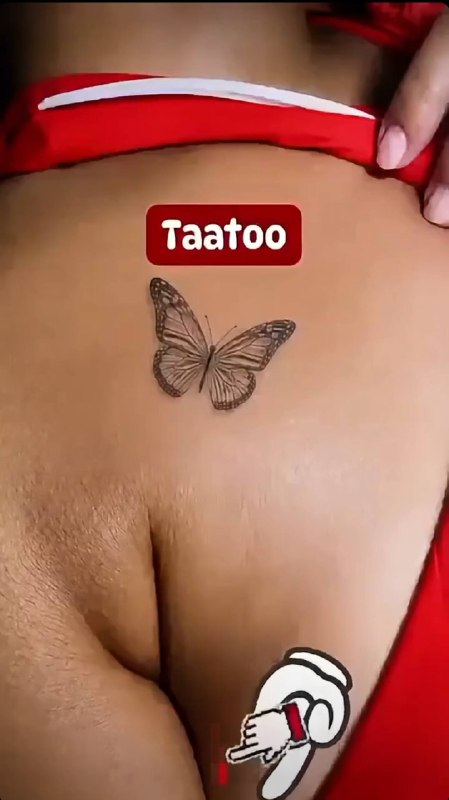
Tattoos have become a popular form of self-expression. For many people, a tattoo represents a personal memory, an important moment, a meaningful relationship, or simply a style they enjoy. With professional tattoo studios becoming increasingly common, getting inked can be a safe experience when proper hygiene and aftercare are taken seriously.
However, it is important to remember that tattooing is more than an artistic procedure. A tattoo needle repeatedly punctures the skin and deposits pigment into deeper layers. In other words, the process creates thousands of tiny openings in the skin, which means there is a period during which the area needs careful attention.
Understanding the possible risks, choosing a reputable tattoo artist, and following appropriate aftercare can significantly reduce the chance of complications and help the tattoo heal properly.
What Happens to Your Skin During a Tattoo?
During tattooing, a needle moves rapidly through the skin while placing ink into the dermis, the layer beneath the outer surface of the skin. Because the skin is being punctured repeatedly, the freshly tattooed area behaves much like a controlled wound during the initial healing period.
Some redness, mild swelling, tenderness, itching, and a small amount of clear fluid can occur during the first few days. These reactions are generally part of the body’s normal healing process.
The important distinction is between expected healing and symptoms that may indicate a problem. If discomfort becomes increasingly severe rather than gradually improving, it is worth seeking professional medical advice.
Common Health Risks Associated With Tattoos
Most tattoos performed in hygienic, professional environments heal without major complications. Nevertheless, several possible health concerns should be considered before getting one.
1. Skin Infections
Infection is one of the main concerns associated with tattooing. Since the procedure breaks the skin, bacteria can enter the area if proper hygiene is not maintained.
Possible signs of infection can include:
- Increasing redness around the tattoo
- Worsening pain or swelling
- Skin that feels unusually warm
- Pus or unusual discharge
- A foul odor
- Fever or feeling generally unwell
- Red streaks extending away from the tattoo
Professional studios reduce these risks by using appropriate sterilization procedures, disposable needles, clean equipment, and good hand hygiene.
In addition to contamination from equipment, contaminated tattoo ink can also be a potential source of infection. This is why the quality and handling of tattoo ink matter just as much as the cleanliness of the equipment.
2. Allergic Reactions
Some people can develop an allergic or inflammatory reaction to tattoo pigments.
Symptoms may include:
- Persistent itching
- Swelling
- Raised bumps
- Redness or irritation
- A rash around certain colors
Reactions can sometimes occur shortly after getting a tattoo, while others may develop much later. Although certain pigments have historically been associated with more reactions than others, sensitivity can occur with different colors.
If a tattoo continues to itch, swell, or develop unusual skin changes after the normal healing period, a dermatologist can help determine what may be causing the reaction.
3. Scarring and Keloids
Some individuals are more likely to develop raised scars or keloids after skin injuries. Tattooing involves repeated trauma to the skin, so people with a personal or family history of keloid formation should consider discussing the risks with a healthcare professional before getting tattooed.
It is also important for tattoo artists to avoid unnecessarily aggressive techniques that can cause excessive skin trauma.
4. Other Skin Changes
A tattoo can naturally change over time. Aging, sun exposure, and significant changes in body size can affect how the design looks.
Ink may gradually fade, lines may become softer, and the surrounding skin may change with age. This does not necessarily mean something is wrong with the tattoo; it is a normal part of having permanent artwork on the skin.
Some tattoo pigments may also cause temporary or unusual effects during certain medical imaging procedures. If you have tattoos and are scheduled for an MRI or another medical procedure, tell your healthcare provider beforehand.
How to Choose a Safer Tattoo Studio
Choosing the right studio is one of the most important decisions you can make before getting a tattoo.
Tattoo regulations vary depending on where you live, but a reputable studio should demonstrate strong hygiene practices and comply with applicable local requirements.
Before your appointment, look for a studio that:
- Maintains a clean and organized workspace
- Uses sterile, single-use needles
- Opens disposable needles in front of clients when appropriate
- Uses fresh disposable gloves
- Places tattoo ink into clean, disposable cups
- Properly disinfects surfaces and equipment between clients
- Uses appropriate sterilization procedures for reusable equipment
- Provides clear aftercare instructions
- Is willing to answer questions about hygiene and equipment
Do not be afraid to ask questions. A professional artist should understand why clients want to know how equipment is cleaned and how the studio prevents cross-contamination.
Before getting inked, there are a few important questions you should ask your tattoo artist…
TAP ” READ MORE ” 👇