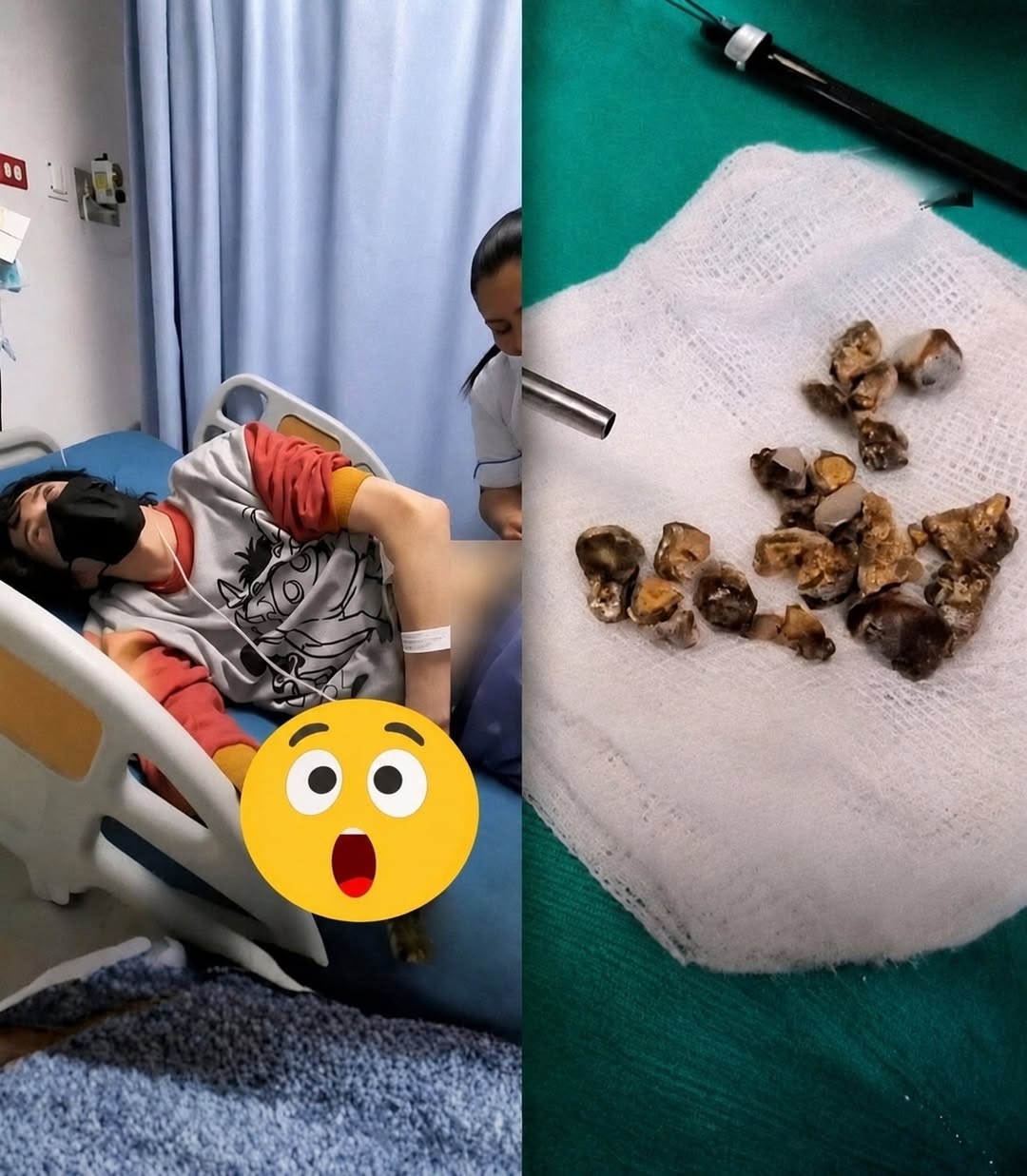
A painful health problem took an unexpected turn when doctors discovered the underlying cause and provided the treatment needed for recovery.
Sometimes, a health problem can develop in ways that are difficult to understand at first. What may initially seem like a temporary discomfort can become more concerning when pain becomes severe or starts interfering with everyday activities.
That was the situation in a recent medical case involving a man who eventually sought hospital care after his symptoms became difficult to manage.
When the Symptoms Became Too Difficult to Ignore
The patient’s condition reportedly became serious enough that he decided to visit a hospital for professional evaluation. Because of the intensity of his discomfort, medical staff carried out a detailed examination to determine what was causing the problem.
Doctors may use several diagnostic methods when the cause of pain is unclear. Depending on the symptoms, these can include a physical examination, laboratory testing, imaging scans, or other procedures.
In this case, further investigation revealed an unexpected problem that required medical attention.
The discovery was surprising to the patient, but it also gave doctors an opportunity to address the underlying issue rather than simply treating the symptoms.
Why Medical Evaluation Matters
Unexplained or persistent pain should not automatically be ignored, especially when it becomes severe or affects normal daily activities.
There can be many possible causes of pain, and symptoms alone are not always enough to determine what is happening inside the body. A healthcare professional can evaluate the situation and decide whether additional testing is necessary.
This is particularly important when symptoms are unusual, worsening, or accompanied by other concerning changes.
Treatment and Recovery
After identifying the source of the problem, doctors determined that a medical procedure was necessary.
The treatment was reportedly completed successfully, allowing physicians to address the underlying issue. The patient was then monitored during the recovery period to make sure there were no significant complications.
Follow-up care can be an important part of recovery after a procedure. Depending on the situation, patients may receive instructions regarding rest, medication, activity levels, warning signs, and future appointments.
Don’t Let Embarrassment Delay Medical Care
One of the broader lessons from unusual medical cases is that people should not allow embarrassment to stop them from seeking professional help.
Healthcare professionals encounter a wide range of medical conditions every day. Their primary concern is usually understanding the problem, providing appropriate treatment, and helping the patient recover safely.
Waiting too long to seek care can sometimes make certain conditions more difficult to manage. For that reason, people experiencing severe, persistent, or unexplained symptoms should consider speaking with a qualified healthcare professional.
What This Case Can Teach Us
Although the circumstances of the case were unusual, the main takeaway is relatively simple: pay attention to significant changes in your health.
A symptom that does not improve, becomes increasingly painful, or interferes with normal activities deserves appropriate attention.
At the same time, unusual symptoms do not necessarily mean that a serious condition is present. Only a qualified healthcare professional who evaluates the individual can determine the likely cause and appropriate treatment.
A Positive Outcome
Fortunately, the patient reportedly recovered following treatment and received follow-up care from the medical team.
What began as a painful and concerning experience ultimately resulted in the underlying problem being identified and treated.
The case is another reminder that seeking medical attention when something feels seriously wrong can be an important step toward receiving the right diagnosis and care.
Important: This article is for general informational purposes only and is not a substitute for professional medical advice, diagnosis, or treatment. Anyone experiencing severe, persistent, or unusual symptoms should contact a qualified healthcare professional.