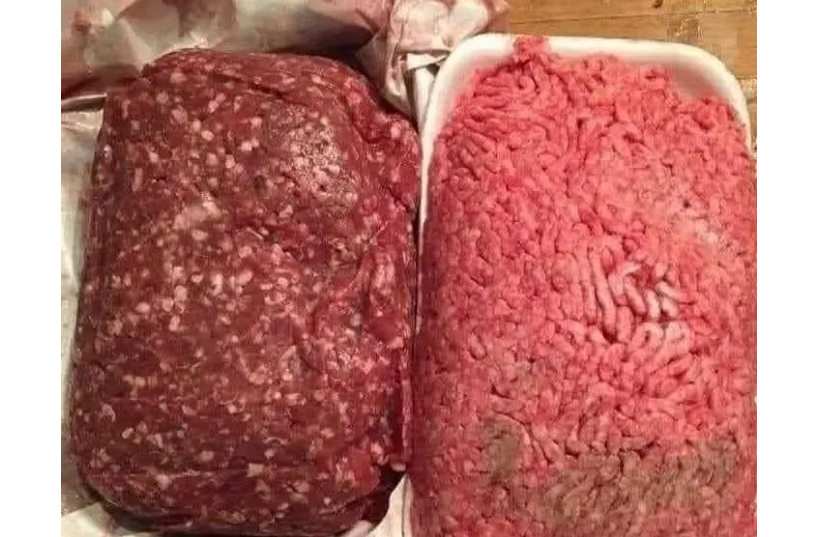
Choosing the food you bring into your home is a daily decision that reflects both personal preference and lifestyle. For many people, especially those familiar with traditional food sources or local markets, the difference between store-bought beef and farm-raised beef goes beyond convenience. It often relates to quality, taste, and trust in how food is produced.
As interest in nutrition and sustainable practices continues to grow, more consumers are taking time to understand where their beef comes from. Whether purchased from a supermarket or directly from a nearby farm, each option offers unique characteristics worth considering.
This guide explores the key differences between store-bought beef and farm-raised beef, focusing on taste, sourcing, and how each fits into modern food choices.
Flavor and Overall Quality
Taste is often the first difference people notice. Beef raised on small farms is frequently described as having a richer, more pronounced flavor. This is often linked to how the cattle are raised and what they eat over time.
Farm-raised cattle typically spend more time outdoors and may start on grass-based diets before transitioning to grains. This approach can produce beef with natural marbling, firmer texture, and deeper flavor.
Store-bought beef, on the other hand, is usually sourced from large commercial producers. These cattle are raised in structured environments designed for efficiency and consistency. The result is beef that is tender, uniform in appearance, and familiar to many shoppers. While dependable, some consumers find the flavor milder compared to beef raised on pasture.
How Diet and Environment Influence Beef
The environment in which cattle are raised plays an important role in the final product. Terms such as grass-fed, grain-finished, and pasture-raised help describe these differences.
Cattle raised on smaller farms often have more space to move and access to varied natural feed. This can influence texture and flavor in noticeable ways. Many small-scale farmers focus closely on animal care, which can be reflected in the quality of the meat.
In contrast, store-bought beef usually comes from large operations with carefully controlled diets and systems. These methods allow producers to maintain a steady supply and consistent quality, ensuring beef that meets consumer expectations year-round.
Buying Experience and Transparency
Buying beef directly from a farm can be a more personal experience. Many customers value the opportunity to learn how the cattle were raised and to understand the farming practices behind the product. This direct interaction can create a sense of trust and transparency.
Supermarkets, however, offer convenience and accessibility. With a wide range of cuts, clear pricing, and easy availability, grocery stores remain a practical option for many households.
Price and Value Considerations
Farm-raised beef may cost more due to smaller production scales and the resources required to raise cattle with greater individual care. For some buyers, the quality and sourcing justify the higher price. Purchasing in bulk directly from farms can also help manage long-term costs.
Store-bought beef is generally more budget-friendly, benefiting from large-scale production and distribution. Regular promotions and a wide selection make it easier for families to plan meals while staying within budget.
Making the Right Choice for Your Needs
There is no single option that suits everyone. Both store-bought and farm-raised beef can be part of a balanced and enjoyable diet. The right choice depends on personal priorities, including flavor preference, sourcing values, budget, and convenience.
Those who enjoy supporting local farms and exploring traditional flavors may prefer farm-raised beef. Others may value the consistency and accessibility of supermarket options.
Understanding the differences allows you to make informed decisions and choose beef that fits your lifestyle with confidence.