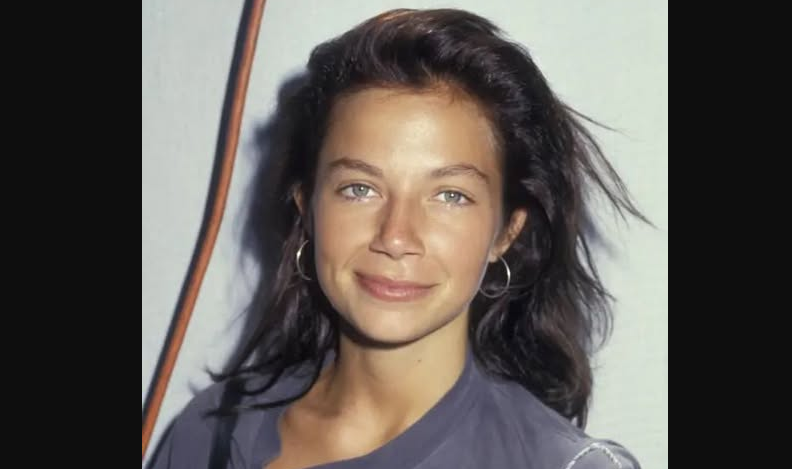
During the fast-moving era of 1980s Hollywood, Justine Bateman became one of television’s most recognizable faces. Her role on Family Ties placed her firmly in the public eye, and audiences responded to her sharp presence, confidence, and natural screen appeal. She stood out as relatable yet polished, a balance that resonated with viewers and helped define the tone of the decade.
As her popularity grew, so did the attention surrounding her image. Magazine features, interviews, and public appearances became routine. Like many young performers of the time, she found that visibility often came with unspoken expectations. Appearance, style, and youth were closely linked to opportunity, reinforcing the idea that maintaining a certain look was part of staying relevant.
Those pressures did not disappear with time. Instead, they shifted. Aging in the public eye can bring a different set of expectations, particularly for women whose careers began early. The focus often moves from celebration to scrutiny, with subtle signals suggesting that change should be hidden or corrected. Bateman has experienced this dynamic firsthand.
In recent years, she has gained renewed attention for a deliberate personal choice. Now in her late fifties, she has chosen to age naturally, opting out of cosmetic procedures designed to preserve a younger appearance. That decision has placed her within a wider cultural discussion about beauty, self-determination, and how society views aging.
Today, her appearance reflects experience rather than alteration. Natural lines, gray hair, and visible change are not treated as flaws, but as evidence of a life fully lived. She speaks about this openly and thoughtfully, framing aging as a process rather than a problem.
Bateman has explained in interviews and essays that her face tells a story. Each change represents moments of growth, challenge, and learning. For her, those markers are meaningful. Preserving them feels more honest than reshaping them to fit outside expectations. Personal comfort and self-acceptance, she emphasizes, carry more value than approval based on appearance.
She has also addressed the way aging is often portrayed as something to fear, especially for women. That mindset can quietly encourage constant comparison and dissatisfaction. Her perspective focuses on choice. How a person lives in their body, she believes, should be guided by personal values rather than social pressure.
Public response has been mixed. Many people have expressed appreciation, describing her stance as refreshing in a media environment filled with narrow beauty standards. Others have reacted more critically, which she acknowledges without allowing it to influence her path. Her priority remains consistency with her own beliefs.
Her professional journey reflects the same outlook. Over the years, Bateman has expanded beyond acting into writing, directing, and publishing. These creative roles emphasize insight, experience, and voice rather than appearance. With time, those qualities often deepen, allowing creative work to evolve in meaningful ways.
Through her work as an author and filmmaker, she continues to highlight the value of authenticity and reflection. Creativity, she suggests, is not limited by age. It grows through curiosity, discipline, and lived understanding. In both her career and personal life, Justine Bateman demonstrates that growth remains possible when honesty leads the way.