Grief has a way of changing the atmosphere of a home.
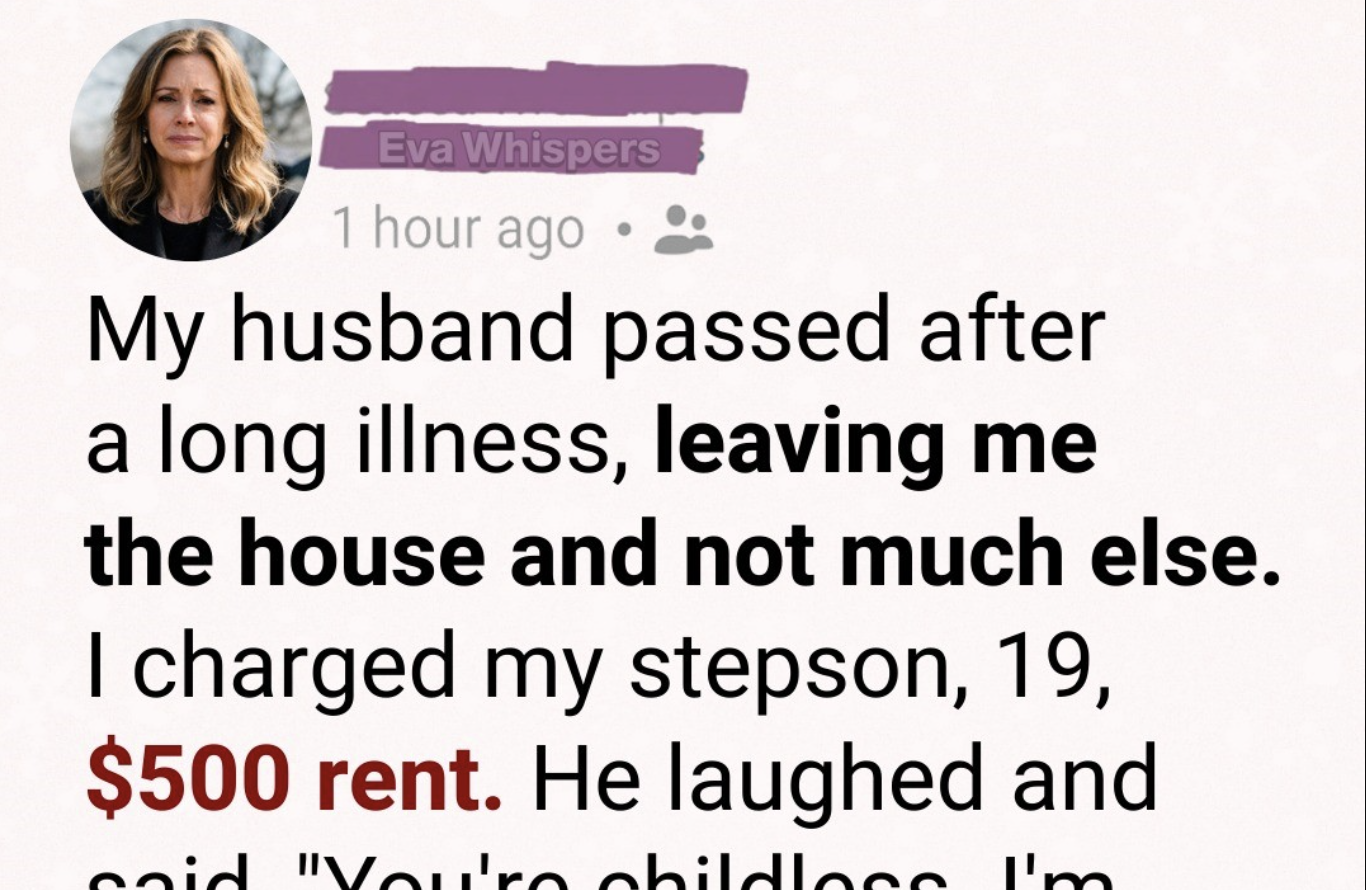
Months after my husband passed away following a long illness, the house no longer felt the same. The furniture hadn’t moved. The photos were still on the walls. Yet everything felt unfamiliar. Each room carried a quiet reminder of what we had endured together—late-night conversations, carefully measured medication schedules, and the soft rhythm of caregiving that had once defined my days.
For a long time, my world revolved around doctor visits, insurance paperwork, and trying to find small moments of comfort in an overwhelming season of life. When he passed, friends and family surrounded me with kindness. They brought meals, flowers, and heartfelt words. But as weeks turned into months, life moved on for everyone else.
I was left with memories, responsibility, and a growing stack of bills.
The will was simple. The house became mine. There was little savings left after years of medical expenses, and I carried no resentment about that. Every dollar had been spent on care, hope, and love. Still, reality doesn’t pause for grief. The mortgage, utilities, and daily expenses remained.
My stepson was nineteen.
He had grown into a capable young man, tall like his father, with the same thoughtful expression. He had witnessed everything—the hospital visits, the difficult conversations, the exhaustion I tried to hide. I believed we would navigate this new chapter together.
But eventually, I realized I couldn’t manage the household alone.
One evening, I asked him to sit with me at the kitchen table. I held a mug of coffee just to steady my hands.
“I need your help with expenses,” I said gently. “Five hundred dollars a month.”
I expected a serious conversation. Maybe some hesitation. Maybe questions. I did not expect what came next.
He gave a short, almost defensive laugh.
“You don’t have kids of your own,” he said. “I’m supposed to be your retirement plan. You’re meant to support me.”
The words hurt more than I anticipated.
Childless.
As if the years I had spent guiding him, cheering at school events, and caring for his father meant nothing. I had never tried to replace anyone in his life. I only hoped to be a steady presence—someone dependable.
I didn’t argue. I didn’t raise my voice. I simply nodded and walked away.
That night, I barely slept. Fear mixed with frustration, and by morning, I made a decision driven more by emotion than clarity.
While he was out, I changed the locks.
The silence that followed felt heavier than before. Trying to distract myself, I began packing his belongings. If he believed he didn’t owe anything to this home, perhaps it was time for him to find his own path.
As I gathered items from his room, I reached under the bed and felt something unexpected—a duffel bag with my name written on it.
Confused, I opened it.
Inside was an old savings passbook. Page after page showed small deposits—twenty dollars here, fifty there, sometimes a hundred. The entries went back four years. Summer jobs. Holiday earnings. Part-time work.
At the top of the first page, written neatly, were the words:
“Mom’s Retirement Fund.”
My knees gave out, and I sat on the floor in disbelief.
There was also an envelope inside, addressed to me for my upcoming birthday.
With shaking hands, I opened it.
In the letter, he described watching me sit at the kitchen table late at night, studying bills and trying not to show my worry. He wrote about the strength he saw during his father’s illness. He admitted he never knew how to express gratitude without sounding awkward or vulnerable.
Then I read the sentence that changed everything:
“You’re my mom. The only one who’s truly been there for me. You will never face the future alone.”
Tears blurred the ink.
In one painful moment, I realized I had misunderstood him. The harsh words from the night before were not a reflection of his heart. They were the voice of a young man struggling with grief, fear, and uncertainty.
He had been preparing to help me long before I asked.
That evening, I unlocked the door and waited near the entryway.
When he arrived, he stood hesitantly outside, unsure whether he belonged.
I stepped forward, holding the duffel bag.
“I’m sorry,” I said quietly.
He looked surprised, then relieved.
“I didn’t know how to talk about everything,” he admitted.
“I didn’t either,” I replied.
In that moment, the house felt different again—not healed, not perfect, but lighter. We were still grieving. We were still learning. But we were finally honest with each other.
Sometimes, healing doesn’t begin with grand gestures. Sometimes, it starts with understanding the love that was quietly there all along.
And sometimes, the truth hidden beneath hurtful words is far more powerful than we ever imagined.