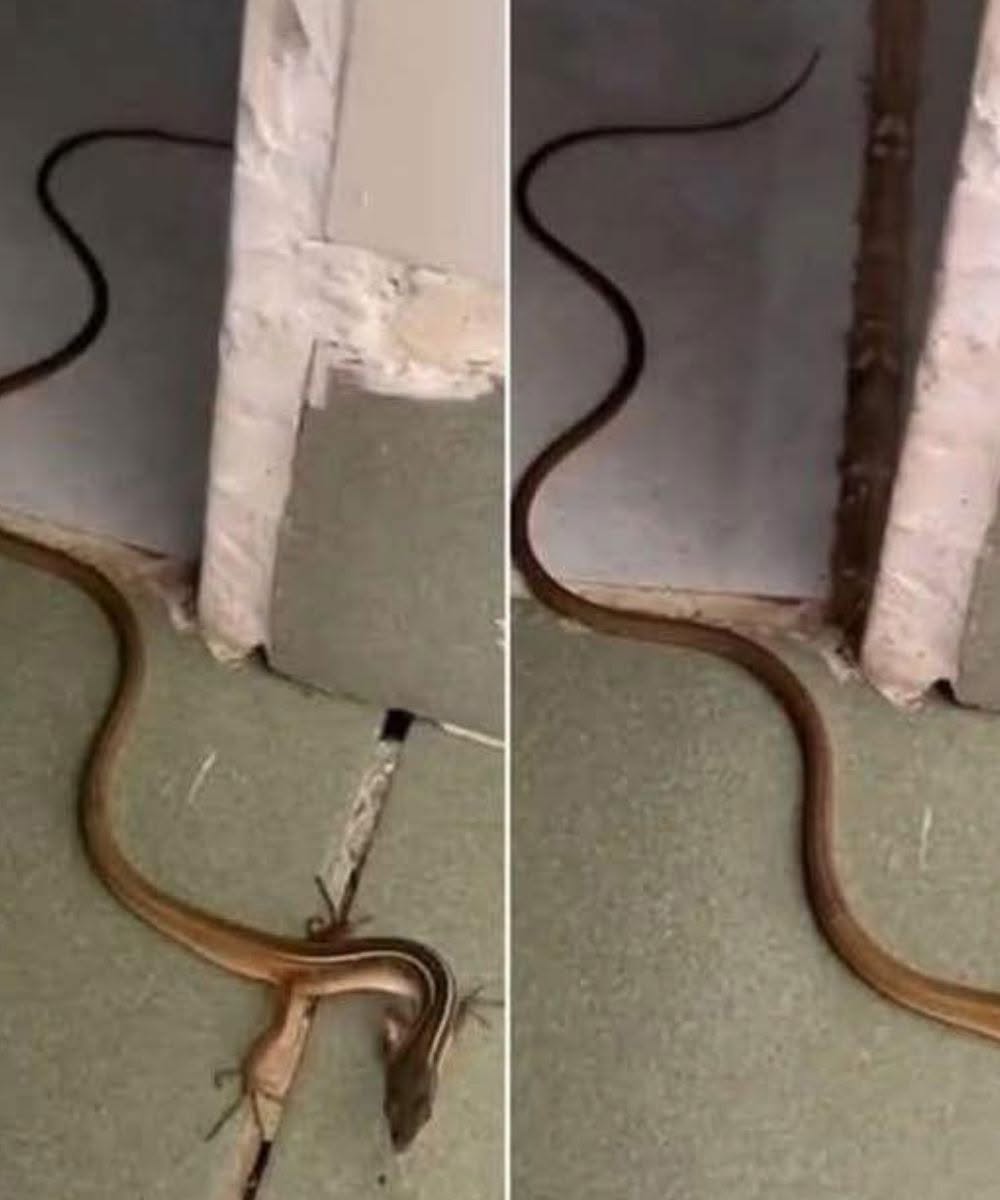
Finding a snake inside your home can be surprising, but it’s important to stay calm. While many people immediately feel concerned, snakes usually enter homes for practical reasons rather than to interact with people.
Understanding why snakes come indoors and knowing how to respond can help you handle the situation safely.
Why Do Snakes Enter Homes?
Snakes generally enter homes while searching for basic necessities such as food, shelter, or protection from changing weather conditions.
1. Looking for Food
One of the most common reasons snakes enter residential areas is the presence of prey.
Depending on the species, snakes may feed on:
- Mice
- Rats
- Small birds
- Frogs
- Lizards
- Insects
If rodents or other small animals are present around your property, snakes may follow them into garages, sheds, or other sheltered spaces.
2. Seeking Shelter
Snakes prefer quiet, protected areas where they can hide.
Common hiding places include:
- Basements
- Garages
- Storage rooms
- Attics
- Wood piles
- Cluttered outdoor areas
These locations provide shade, protection, and minimal disturbance.
3. Escaping Extreme Weather
Heavy rain, flooding, drought, or sudden temperature changes can cause snakes to leave their natural habitats in search of safer conditions.
Occasionally, this leads them into homes or nearby structures.
4. Seasonal Movement
Snakes are often more active during warmer months when searching for food or mates.
During cooler weather, some species may seek sheltered areas where temperatures remain more stable.
Are All Snakes Dangerous?
No. Most snakes are non-venomous and play an important role in the environment by helping control rodent and insect populations.
However, identifying snake species can be difficult. If you encounter an unfamiliar snake, it’s safest to avoid approaching or handling it.
What Should You Do If You Find a Snake Indoors?
Stay Calm
Remaining calm is the best first step. Most snakes avoid people and will not approach unless they feel threatened.
Keep Your Distance
Do not attempt to touch, capture, or corner the snake.
Give it space and observe from a safe distance.
Keep Others Away
If possible, close off the room where the snake is located and keep children and pets away until the situation has been resolved.
Contact a Professional
Local animal control services or wildlife removal professionals have the experience and equipment needed to remove snakes safely.
Attempting to remove a snake yourself can increase the risk of injury for both you and the animal.
How to Help Prevent Snakes from Entering Your Home
Taking a few preventive steps can make your home less attractive to wildlife.
Seal Entry Points
Inspect your home for openings such as:
- Cracks in walls
- Gaps under doors
- Openings around pipes
- Damaged vents
- Holes in the foundation
Sealing these areas can reduce opportunities for animals to enter.
Reduce Clutter
Keep storage areas, garages, basements, and outdoor spaces organized to eliminate potential hiding spots.
Manage Pests
Controlling rodents and insects can reduce food sources that may attract snakes.
Maintain Your Yard
Regular yard maintenance can help discourage wildlife from settling nearby.
Helpful practices include:
- Mowing tall grass
- Trimming shrubs
- Removing leaf piles
- Clearing debris
- Storing firewood neatly and away from the home
Snakes and Cultural Beliefs
Throughout history, snakes have held different meanings in cultures around the world.
Some traditions associate snakes with:
- Renewal
- Wisdom
- Transformation
- Protection
- Good fortune
Others view them as symbols of change or reminders to stay aware of important life events. These interpretations vary depending on cultural traditions and personal beliefs.
Regardless of symbolism, it’s always best to prioritize safety when encountering wildlife.
Why Snakes Matter
Although many people are cautious around snakes, they play an important role in maintaining healthy ecosystems.
By helping control populations of rodents and other small animals, snakes contribute to ecological balance and can benefit farms, gardens, and natural habitats.
Respecting wildlife while maintaining safe boundaries is the best approach for both people and animals.
Final Thoughts
Finding a snake inside your home can be unexpected, but it doesn’t always indicate danger. In most situations, remaining calm, avoiding direct contact, and contacting a qualified wildlife professional are the safest steps.
Learning why snakes enter homes and taking simple preventive measures can help reduce the chances of future encounters while supporting safe coexistence with local wildlife.