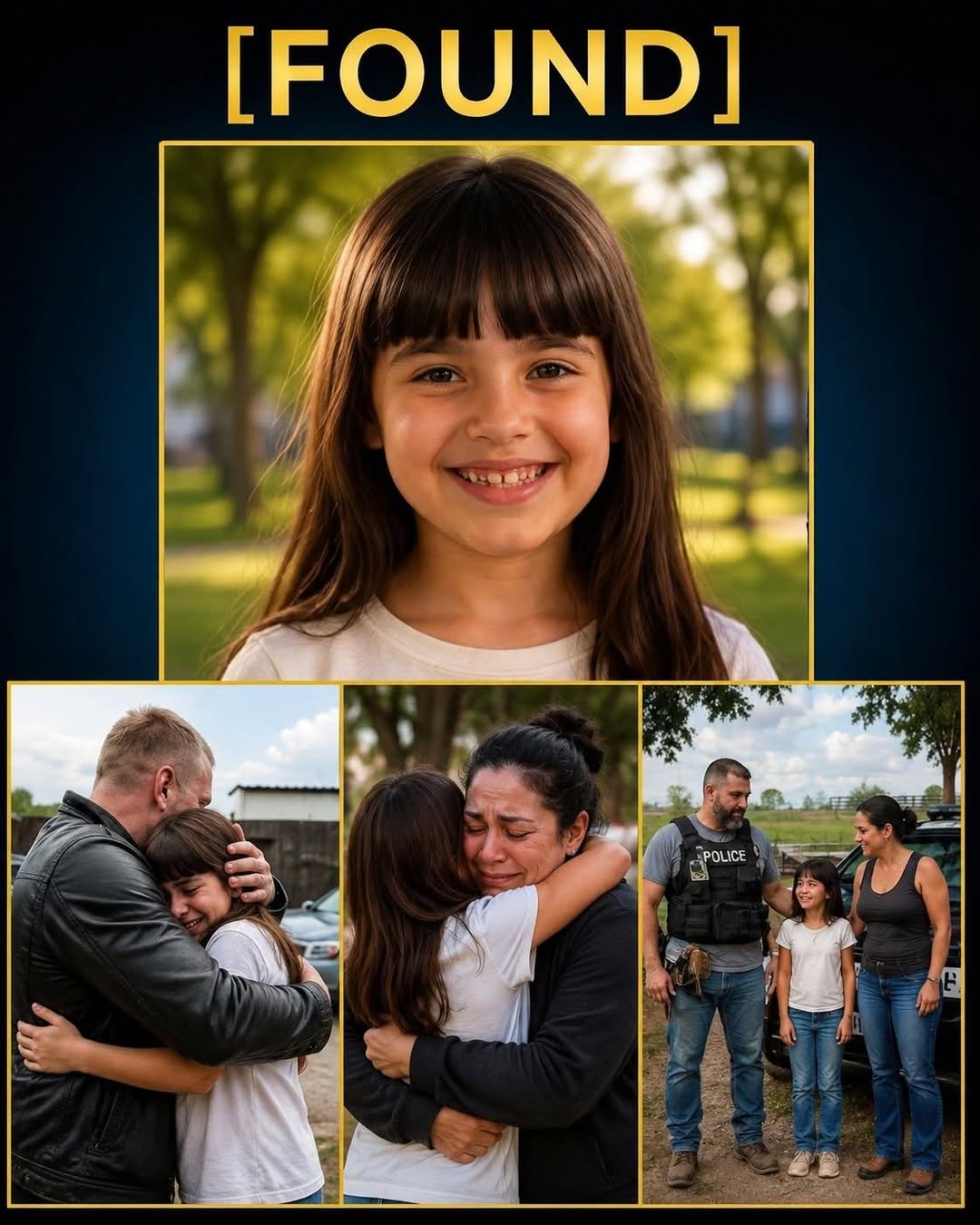
When a missing child is finally found safe, the news can bring an overwhelming mix of emotions. Families, friends, investigators, and entire communities may experience relief, happiness, concern, and uncertainty all at the same time.
A safe return is an extraordinary moment, but it is also the beginning of a new chapter that can require patience, privacy, and long-term support.
A Community Filled With Mixed Emotions
When a child comes home after being missing, the community that searched and waited may experience several emotions at once.
Relief can be the strongest feeling. After days, months, or even years of uncertainty, knowing that a child has been located can bring hope to everyone who followed the search.
Anger and frustration may also emerge, particularly when people are trying to understand how the disappearance happened.
Some people may experience guilt, wondering whether they could have noticed something important or helped in some way. These feelings are common after a traumatic event, although responsibility belongs with the circumstances and individuals directly involved—not with people who simply wished they could have done more.
There can also be a strong desire for privacy and protection. Once the immediate search ends, the child and family may need space away from public attention so they can begin adjusting to life again.
The Child’s Journey Begins Again
Returning home does not necessarily mean that everything immediately returns to normal.
A child who has experienced a long separation may need time to become comfortable with familiar people, places, and routines again. Their feelings may be difficult to explain, and their recovery can look different from one person to another.
Professional support can play an important role. Mental-health professionals, child advocates, family members, educators, and other trusted adults may help create a safe and stable environment.
Most importantly, the child’s safety, privacy, and well-being should remain the priority.
A New Phase for Investigators
For law enforcement, locating a missing child can mark the end of one phase and the beginning of another.
Investigators may need to carefully document information surrounding the child’s recovery, preserve relevant evidence, and work with professionals trained to communicate with children who have experienced stressful situations.
A trauma-informed approach can help investigators gather important information while reducing unnecessary pressure on the child.
Authorities may also continue working to understand what happened and determine whether additional legal steps are appropriate.
What We Can Learn From a Safe Return
Stories involving missing children remind us of several important lessons.
Hope Can Make a Difference
Families and communities often continue searching long after the initial attention surrounding a disappearance fades. Sharing accurate information, cooperating with authorities, and supporting families can help keep cases visible.
Hope is not a guarantee of a particular outcome, but it can encourage people to continue looking for answers.
Coming Home Is Only the Beginning
The moment a missing child is found may receive widespread attention, but the quieter period that follows can be just as important.
Families may need ongoing emotional, practical, and professional support as they adjust to what has happened. Healing rarely follows a simple timeline.
Giving the family privacy while offering appropriate support can be one of the most meaningful ways a community can respond.
Supporting Missing-Child Resources
People who want to help can support reputable organizations that assist families, investigators, and children affected by disappearances.
Organizations such as the National Center for Missing & Exploited Children (NCMEC) provide resources related to missing children and family support. Local children’s advocacy centers can also provide services designed to help young people and families navigate difficult experiences.
Rather than spreading unverified rumors or private information online, community members can make a greater difference by sharing official updates and supporting trusted organizations.
A Second Beginning
When a missing child comes home, the story does not necessarily end with the reunion.
It can become the beginning of a long process focused on safety, stability, healing, and rebuilding trust. The family may need time to adjust, and the child deserves the opportunity to move forward without unnecessary public attention.
A safe return is a moment worth celebrating—but it should also remind us that recovery takes time.
For families who have lived through the uncertainty of a missing-child case, coming home can represent something powerful: a second beginning and a chance to move toward a safer, more hopeful future.