Justin Bieber has spent much of his life in the public eye, building a successful music career that has reached millions of fans around the world. From chart-topping songs to international tours and major live performances, the singer has experienced the demands of fame from a young age. However, like many people, he also faced the uncertainty that came with the COVID-19 pandemic.
News of Bieber’s COVID-19 diagnosis brought attention to the challenges artists faced during a period when health concerns disrupted daily routines, postponed performances, and changed the way the entertainment industry operated. The situation also highlighted a broader reality: even people with demanding careers and extensive professional support can find their plans interrupted by unexpected health concerns.
For musicians whose work depends on rehearsals, recording sessions, travel, and live performances, an illness can affect much more than a single day on the calendar. It can require changes to professional commitments, additional rest, and a period of adjustment before normal routines can resume.
How the Pandemic Changed the Music Industry
The COVID-19 pandemic created unprecedented challenges for the global entertainment industry. Concert venues temporarily closed, international travel became more complicated, and major tours were postponed or canceled. Musicians, event organizers, production crews, and other professionals had to reconsider how they worked.
For artists such as Justin Bieber, whose career involved large productions and international audiences, these changes made flexibility especially important. A single adjustment could affect a wider network of people, including musicians, dancers, technicians, managers, and venue staff.
The situation demonstrated how closely connected the music industry had become. Touring schedules depended on travel arrangements, rehearsal plans, equipment transportation, and the availability of large teams. When health restrictions or illness disrupted one part of the process, the effects could extend to many others.
Although the circumstances varied from artist to artist, the broader experience encouraged the industry to reconsider scheduling, safety procedures, and the importance of preparing for unexpected interruptions.
The Personal Side of a Health Challenge
A public figure’s professional responsibilities do not disappear when health concerns arise. At the same time, personal well-being cannot always be managed according to a fixed schedule.
For someone whose career involves constant movement and public appearances, a period of illness can create uncertainty about upcoming commitments. Questions about when regular activities can resume may require patience, particularly when a large team is waiting for decisions about future plans.
Bieber’s experience became part of the wider conversation surrounding celebrities and health during the pandemic. His situation also reflected the challenges faced by ordinary people who had to balance recovery with work, family responsibilities, and changing expectations.
One important lesson from this period was that taking time to address health concerns should not automatically be viewed as a setback. Adjusting plans when circumstances change can be a practical step toward protecting long-term well-being.
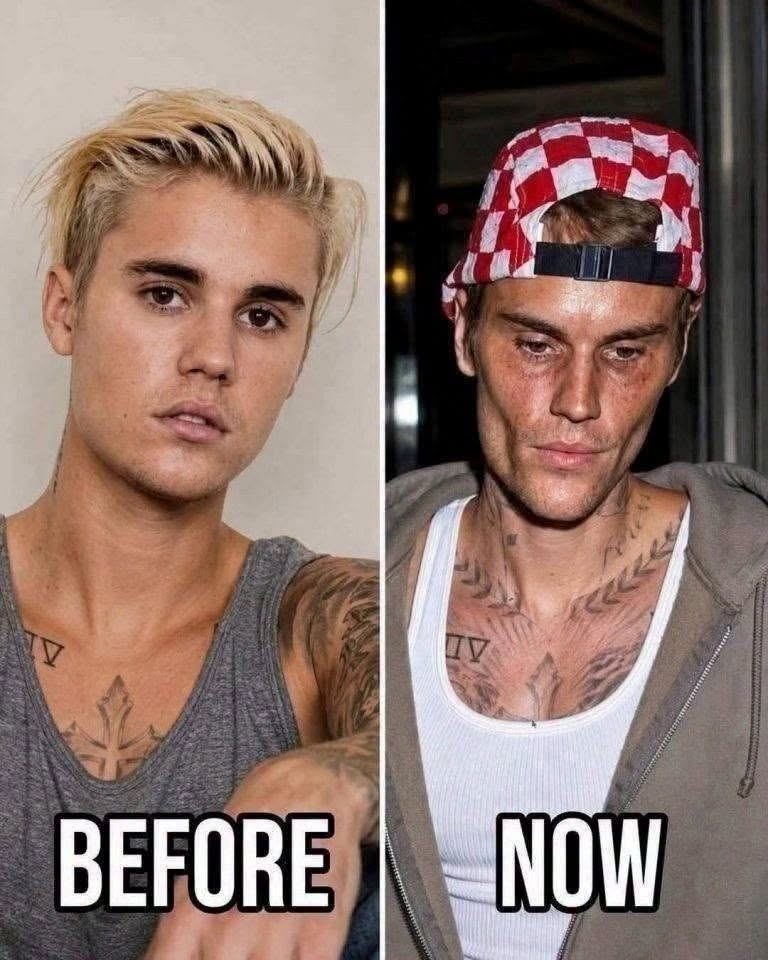
His diagnosis highlighted how quickly health concerns can disrupt even the busiest careers… but recovery can look very different from one person to another.
DISCOVER WHAT RECOVERY CAN REALLY LOOK LIKE 👇