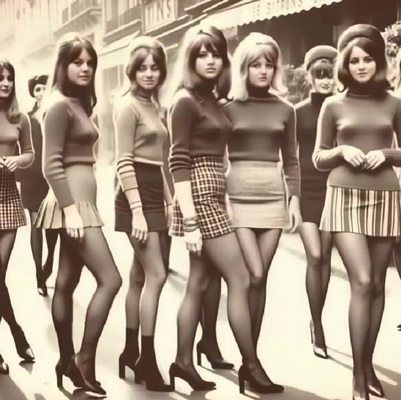
The 1970s were more than a memorable chapter in music, film, and social change. They marked a turning point in how people used fashion to express identity, confidence, and cultural values. Clothing during this era was not simply about trends—it became a reflection of personal freedom and shifting attitudes.
Looking back at photographs from the decade often sparks nostalgia. Yet when you take a closer look, those images reveal the distinctive spirit of the time, shaped by bold choices and a desire for individuality. Fashion in the ’70s carried deeper meaning, symbolizing creativity, independence, and a break from convention.
A New Focus on Comfort and Confidence
As the 1970s began, style moved away from the structured and formal designs that defined earlier decades. The polished silhouettes of the postwar years gave way to softer fabrics and relaxed fits that allowed people to move freely and feel at ease.
For many women, this shift was especially meaningful. Clothing no longer restricted movement but instead supported comfort and self-expression. Flowing materials, flexible cuts, and practical designs made everyday wear feel both stylish and empowering.
Designers embraced these changes by creating garments that balanced visual appeal with functionality. Fashion became a tool for building confidence, allowing individuals to express their personalities while staying comfortable in their daily lives.
Icons Who Redefined Style
The 1970s also introduced influential figures who helped shape public perceptions of fashion and self-expression. Diana Ross, for example, captivated audiences with elegant satin gowns that emphasized movement and glamour. Her style choices turned performances and public appearances into unforgettable moments.
Bianca Jagger brought a different kind of influence, blending refined elegance with bold, unconventional elements. Her fashion showed that sophistication and creativity could coexist, encouraging people to challenge traditional expectations.
These style icons didn’t just follow trends—they helped define them. Their fashion choices reflected a society increasingly focused on authenticity and personal expression.
The Energy of the Disco Era
By the late 1970s, disco culture emerged as a powerful force in music, nightlife, and fashion. Sparkling fabrics, dramatic silhouettes, and confident attitudes came to define the era. Fashion mirrored the vibrant energy of dance floors, celebrating joy, movement, and individuality.
What may seem like an ordinary photograph from the 1970s often holds a deeper story. From relaxed tailoring to expressive designs, every detail reflects a time when clothing became a meaningful extension of identity—making the era unforgettable even decades later.