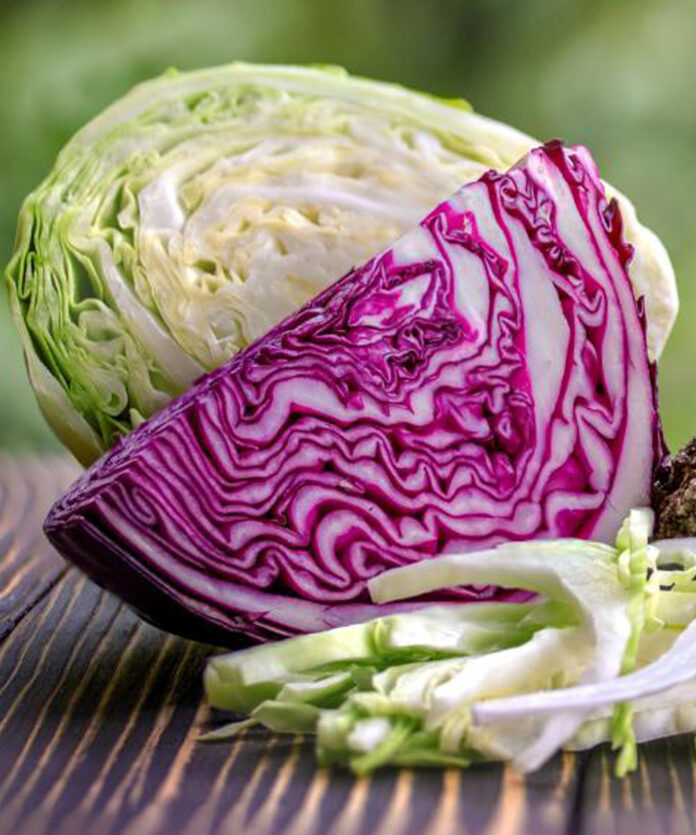
For generations, cabbage has been a familiar ingredient in home cooking. It appears in soups, stews, salads, and traditional meals that many families have enjoyed for decades. For most people, cabbage has long been a simple, affordable way to add vegetables to daily meals.
Cabbage is often praised for its nutritional value. It provides vitamin C, vitamin K, fiber, and beneficial plant compounds that support general wellness. When eaten in reasonable portions and prepared properly, cabbage can be a helpful addition to a balanced diet, especially for older adults who want to support digestion and overall health.
However, doctors note that cabbage does not affect everyone in the same way. Certain people may need to pay closer attention to how often they eat it, how much they consume, and how it is prepared. In some situations, eating large amounts of cabbage or consuming it in specific forms may lead to discomfort or interact with existing health concerns.
Below are four groups of people who may benefit from a more mindful approach to cabbage, along with practical guidance focused on balance rather than avoidance.
Why Cabbage Can Affect People Differently
Cabbage contains naturally occurring compounds that contribute to its nutritional value. In some individuals, these compounds may interact with medications or sensitive digestive systems. Age-related changes in digestion and metabolism can also make certain foods harder to tolerate.
Health professionals emphasize that cabbage does not need to be feared. The key is understanding how it fits into your personal health needs.
1. People Using Blood-Thinning Medications
Cabbage is a natural source of vitamin K, which plays a role in normal blood clotting. For most people, this is beneficial. However, individuals taking blood-thinning medications may be advised to keep their vitamin K intake consistent.
Sudden changes in how much vitamin K-rich food is eaten can make medication management more challenging.
Helpful guidance:
Rather than eliminating cabbage, aim for regular, consistent portions. Eating similar amounts from week to week allows healthcare providers to adjust medication if needed. Maintaining a steady routine is often more helpful than avoiding nutritious foods entirely.
2. People With a History of Kidney Stones
Cabbage contains oxalates, which are naturally found in many plant foods. In some people, oxalates may contribute to kidney stone formation, particularly for those who have had stones in the past.
This does not mean cabbage must be avoided, but moderation may be helpful.
Simple habits to consider:
Enjoy cabbage occasionally rather than every day. Drinking enough water throughout the day is important, as hydration helps support normal kidney function. Cooking cabbage may also reduce its impact and make it easier to digest.
3. People Managing Thyroid Conditions
Cabbage is part of the Brassica vegetable family. These vegetables contain compounds that, when eaten in very large amounts—especially raw—may affect how the body uses iodine.
For people with thyroid conditions, this is something to be aware of rather than a reason to remove cabbage from the diet.
Doctor-recommended tips:
Cooking cabbage reduces these compounds and makes it easier to digest. Steaming, boiling, or sautéing are gentle preparation methods. Avoid eating large amounts of raw cabbage daily, and consider spacing cabbage consumption away from thyroid medication.
4. People With Sensitive Digestion
Cabbage is known to cause gas and bloating for some individuals, especially those with sensitive digestion. Raw or fermented cabbage may be more likely to trigger discomfort than cooked versions.
Ways to enjoy cabbage more comfortably:
Smaller portions are often better tolerated. Cooking cabbage thoroughly can help reduce gas-producing compounds. If raw cabbage causes discomfort, opting for cooked dishes may be a better choice.
Paying attention to how your body responds can help guide your choices.
How Much Cabbage Is Reasonable for Most People?
For many healthy adults, eating cabbage a few times per week fits well into a balanced diet. This allows people to enjoy its nutritional benefits without overdoing it.
Preparation matters. Cooked cabbage is generally easier to digest than raw cabbage. Very large portions, especially late in the day, may increase digestive discomfort for some individuals.
Cabbage is best enjoyed alongside a variety of vegetables, proteins, and healthy fats.
A Balanced Perspective on a Familiar Vegetable
Cabbage remains a nutritious, affordable, and versatile food for many households. With mindful portions and thoughtful preparation, it can continue to be part of a healthy lifestyle.
The goal is not restriction, but awareness. Understanding your body’s needs and adjusting accordingly can help you enjoy cabbage comfortably and confidently.
For personalized dietary advice, a healthcare professional can offer guidance tailored to individual health concerns. When eaten wisely, cabbage can still play a positive role in everyday meals.