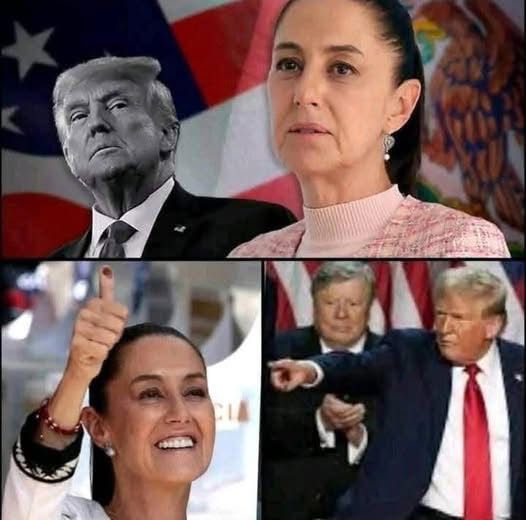
World leaders offered swift and varied reactions after President Donald Trump announced that the United States conducted what he described as a “very successful attack” on three nuclear sites in Iran, including the Fordo facility.
Trump shared on social media that the moment was “historic” for the United States, Israel, and the broader international community, urging Iran to end ongoing conflict. Following the announcement, governments around the world issued statements expressing concern, calling for diplomacy, or affirming their national positions.
Iranian Foreign Minister Abbas Araghchi strongly condemned the strikes, saying his country “reserves all options” in responding. He called the incident “outrageous” and warned that it could have long-lasting consequences. According to Araghchi, the attack targeted peaceful nuclear facilities and violated the UN Charter, international law, and the Nuclear Non-Proliferation Treaty (NPT).
Israel:
Israeli Prime Minister Benjamin Netanyahu said the U.S. action reflected “strength” and predicted it would have a significant impact on future regional dynamics. He praised Trump’s decision as one that could “change history.”
China:
China expressed strong opposition to the strike, stating it violated the UN Charter and could intensify instability in the Middle East. Beijing urged all involved parties, particularly Israel, to halt attacks and return to dialogue.
United Nations:
UN Secretary-General Antonio Guterres warned the situation could escalate rapidly, calling it a “dangerous” moment for global stability. He emphasized that diplomacy—not military action—is the only viable path forward.
European Union:
EU foreign policy chief Kaja Kallas urged all sides to step back from confrontation, return to negotiations, and prevent further escalation. She reiterated that Iran must not be allowed to develop nuclear weapons. EU ministers plan to discuss the situation further.
Saudi Arabia’s Foreign Ministry said it is following developments in Iran with “deep concern,” highlighting the potential impact on regional stability.
Yemen’s Houthi movement condemned the strike as “blatant aggression,” while Lebanon’s presidency expressed fear that attacks on nuclear facilities could worsen tensions across multiple regions and called for restraint.
United Kingdom:
Prime Minister Keir Starmer stressed the importance of regional stability and encouraged Iran to return to diplomatic negotiations.
Russia:
Former president Dmitry Medvedev questioned the implications of the strike for global peace efforts, suggesting it contradicted the idea of de-escalation.
Japan:
Prime Minister Shigeru Ishiba said it is essential to calm the situation swiftly and prevent further expansion of Iran’s nuclear program, while stopping short of endorsing the U.S. action.
Venezuela and Cuba:
Both countries issued strong condemnations, calling the strikes a violation of international law and expressing concern about the broader consequences for the global community.
Mexico:
Mexico’s Foreign Ministry called for immediate diplomatic dialogue and reaffirmed its commitment to peaceful conflict resolution.
Australia:
Australia urged de-escalation and highlighted ongoing concerns about Iran’s nuclear and missile programs.
South Korea’s National Security Council met to assess potential impacts on regional energy and security interests.
Pope Leo urged world leaders to avoid further conflict, emphasizing the moral responsibility of preventing war and protecting civilians.
As reactions continue to come in, global leaders are urging caution, dialogue, and a renewed commitment to diplomacy. While some nations supported aspects of the U.S. action, many called for restraint to prevent further instability in a region already facing significant tension.