Netflix’s new documentary Return of the King: The Fall & Rise of Elvis Presley offers an intimate look at the emotional struggles, personal determination, and creative awakening behind Elvis Presley’s legendary 1968 comeback. Rather than focusing only on the polished performances the world remembers, the film reveals the quieter moments—his doubts, frustrations, and the deep desire to reclaim his artistic voice. It shows a man caught between the weight of his own legacy and the longing to rediscover what made him a cultural force.
By the mid-1960s, Elvis found himself confined by a string of formulaic Hollywood films that did little to reflect his true range. Though he admired talents like Marlon Brando and James Dean, he felt his own career drifting away from the authenticity that once defined him. Many of the movies he appeared in were profitable, but they lacked meaning. That sense of creative restriction slowly dimmed his confidence.
Priscilla Presley reflects on this period, noting that films such as Double Trouble even made him the subject of jokes—an experience that affected him far more deeply than many realized. The absence of meaningful roles, combined with a growing fear of returning to live performances, left Elvis unsure of his place in the entertainment world. Friends like Jerry Schilling, interviewed throughout the documentary, share how Elvis questioned everything—from his artistic future to whether audiences still wanted to hear him at all.
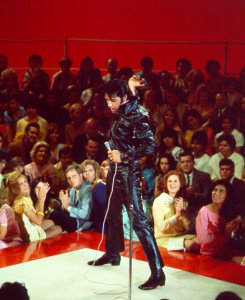
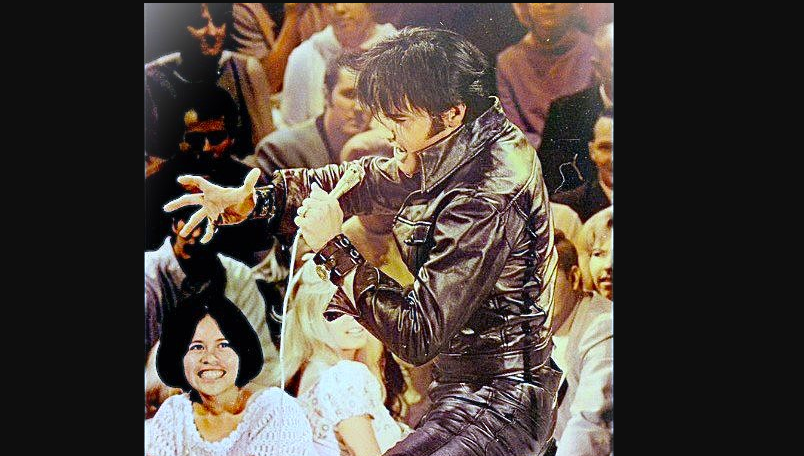
Everything changed with NBC’s proposal for the 1968 “Comeback Special.” The pressure was immense, and Elvis arrived at rehearsals carrying the weight of years of doubt. Newly revealed behind-the-scenes stories show just how nervous he was. But the moment he stepped onto the stage, something shifted. His energy returned, his confidence resurfaced, and he delivered a performance that reminded the world of his unmistakable talent.
One of the standout elements of the special was the now-iconic black leather outfit created by designer Bill Belew. Influenced by Marlon Brando’s rebellious look in The Wild One, the leather suit paired with silk shirts and sleek scarves instantly became a symbol of power and identity. It wasn’t just a costume—it was a visual representation of Elvis reclaiming his strength and authenticity.
The impact of the 1968 special was immediate. Viewership soared, the soundtrack gained widespread praise, and Elvis’s public image shifted almost overnight. More importantly, it reignited his passion for live performance and reminded audiences of the charisma that made him the King of Rock ’n’ Roll.
Throughout the documentary, one message becomes clear: Elvis’s resurgence wasn’t a quick fix or manufactured comeback. It was the result of vulnerability, introspection, and a courageous decision to take control of his artistry once again. His journey is a powerful reminder that even the greatest legends face turning points—and it is their willingness to confront them that shapes their timeless legacy.