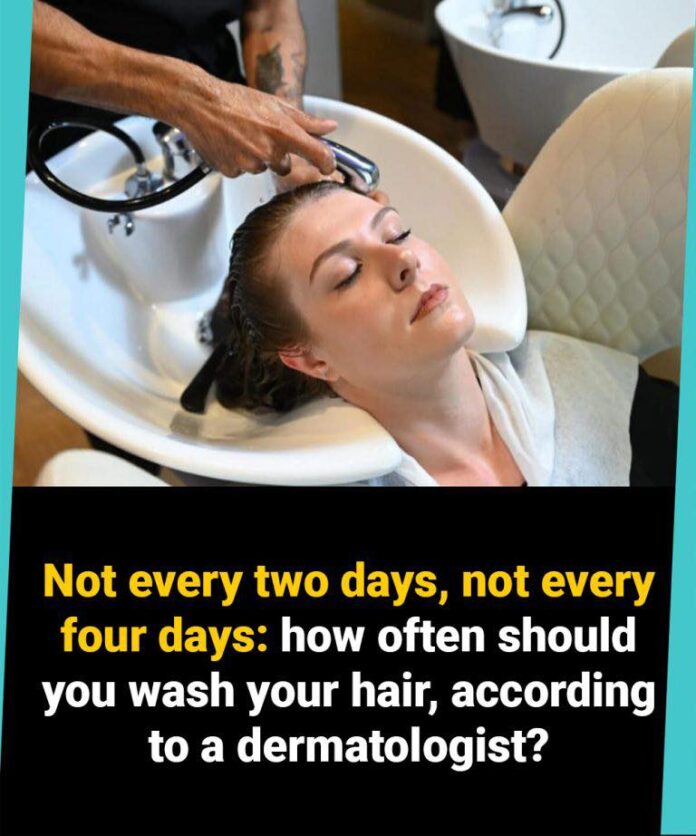
If you’ve ever wondered how often you should wash your hair, you’re not alone. Many of us grew up hearing different advice from friends, magazines, or family members—so it’s no surprise that the “right” routine can feel confusing. According to dermatologists, most people do well washing their hair three to five times per week, adjusting based on scalp needs, lifestyle, and comfort.
For adults over 60, the question can feel even more complicated. Hair changes with age, daily habits shift, and long-standing myths—like the belief that washing too often makes hair oilier—can make it hard to know what’s best. Fortunately, experts today offer clear and reassuring guidance.
Why Regular Hair Washing Matters
Dermatologists often explain that hair washing is really about scalp care. A clean, balanced scalp supports healthier-looking hair. Washing regularly helps:
-
Remove excess oil and product buildup
-
Keep the scalp feeling fresh and comfortable
-
Reduce odor from heat, sweat, or daily activities
-
Minimize the environment where bacteria or fungi can thrive
Dr. Alex Docampo, a dermatologist who focuses on scalp health, notes that people often worry that frequent washing creates more oil. “This is a myth,” he says. “The key is choosing the right routine for your scalp.”
In short, healthy hair doesn’t come from avoiding shampoo—it comes from listening to what your scalp needs.
The Three-to-Five Washes-Per-Week Guideline
For many people, washing three to five times a week works wonderfully. This range helps prevent oil and sweat from building up while keeping the scalp comfortable and free of irritation.
But the ideal routine varies based on:
-
Your scalp type (dry, normal, or oily)
-
Climate and weather conditions
-
Activity level and exercise habits
-
How many styling products you use
-
Personal preference and comfort
Experts often recommend using this three-to-five schedule as a helpful starting point, then adjusting based on how your scalp feels day to day.
What Happens If You Wait Too Long Between Washes?
Going too many days without washing can cause some uncomfortable effects. Built-up oil and residue may lead to:
-
Itching
-
Flaking
-
A greasy or weighed-down appearance
-
Scalp irritation
-
Temporary shedding triggered by inflammation
Warm weather, stress, or naturally oily skin can make these symptoms show up even faster. The good news? Your scalp will usually send clear signals when it’s time for a wash.
Choosing the Right Shampoo and Conditioner
As hair becomes finer or more delicate with age, product choice plays a bigger role. Dermatologists often suggest:
-
Balancing or gentle shampoos for normal or oily scalps
-
Sulfate-free formulas for sensitive skin
-
Applying conditioner only to the mid-lengths and ends
-
A weekly hydrating mask for softness and shine
Conditioner on the roots can weigh hair down, so keeping it on the lengths helps maintain a light, fresh feel.
Optional haircare extras—like shine serums or leave-in sprays—can be helpful, but they aren’t essential. What matters most is consistent cleansing and gentle care.
Small Habits That Help Keep Hair Healthy
Healthy hair care isn’t just about how often you wash—it’s about how you wash. Professionals commonly recommend:
-
Using warm water instead of hot
-
Massaging the scalp with fingertips (not nails)
-
Rinsing thoroughly to avoid leftover product
-
Avoiding heavy creams or oils on the scalp
-
Letting hair dry completely before going to bed
These simple habits help maintain a clean, balanced scalp and keep your hair feeling manageable.
Finding the Routine That Works Best for You
If you want a simple, reliable rule, washing your hair three to five times a week is a balanced, dermatologist-approved starting point. But remember: your personal comfort matters most.
If your scalp feels fresh, comfortable, and clean, your routine is likely on track. If it feels itchy, oily, or irritated, you may need to adjust how often—or how gently—you wash.
You don’t need complicated rituals for healthy hair. With consistent care, the right products, and attention to your scalp’s signals, you can create a routine that keeps your hair looking and feeling its best.