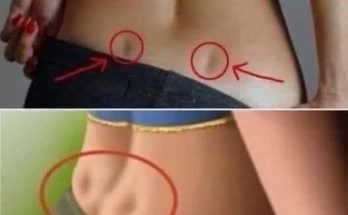
Hip pain is more common than many people realize. Whether it starts after a workout or appears without warning, discomfort in this area shouldn’t be ignored. Your hips support nearly every movement you make walking, sitting, bending, and exercising so when they hurt, it’s often your body asking for care.
Here’s what hip pain may mean and when it’s time to take action.
Muscle Strain or Tightness
What it feels like:
Aching or pulling pain in the front, side, or back of the hip. It may appear after exercise or starting a new physical activity.
Common causes:
Tight hip flexors, hamstrings, or glute muscles. Overuse or improper stretching can contribute to discomfort.
Labral Tear
What it feels like:
Deep groin pain, a clicking or locking sensation in the hip, or a feeling of instability.
Why it happens:
The labrum is a ring of cartilage that helps stabilize the hip joint. Tears are more common in athletes or individuals with certain structural differences in the hip.
Referred Pain from the Spine
What it feels like:
A dull ache in the buttock or back of the hip, sometimes accompanied by tingling down the leg.
Possible cause:
A pinched nerve in the lower back, such as sciatica or spinal stenosis, can send pain signals to the hip area.
Less Common but More Serious Conditions
Stress Fracture
Sudden or worsening pain after repetitive impact activities like running. These injuries require prompt medical evaluation.
Avascular Necrosis
A rare but serious condition where bone tissue loses blood supply. It can occur after trauma or long-term steroid use and requires medical treatment.
When to See a Doctor
Seek medical attention right away if you experience:
-
Inability to put weight on your leg
-
Severe pain after a fall or injury
-
Swelling, redness, or fever
-
Numbness or weakness in the leg
-
Pain that wakes you up at night
-
Pain lasting longer than one to two weeks without improvement
Early evaluation can prevent complications and speed up recovery.
What You Can Do at Home
If your symptoms are mild, these steps may help:
Rest: Avoid activities that make the pain worse, such as running or deep squats.
Ice: Apply ice for 15–20 minutes several times daily to reduce swelling.
Gentle stretching: Focus on hip flexors, hamstrings, and glutes to improve flexibility.
Over-the-counter relief: Medications like acetaminophen or ibuprofen may help short term. Follow package directions and consult a healthcare professional if unsure.
Supportive footwear: Choose shoes with good arch support and avoid overly flat shoes or high heels.
Don’t Ignore Persistent Pain
Hip discomfort isn’t just an inconvenience. Addressing it early—through physical therapy, lifestyle adjustments, or medical care can help prevent long-term joint problems.
The Bottom Line
Your hips carry you through daily life. When pain appears, it’s not a weakness—it’s a signal.
Listening to your body and seeking help when needed can keep you mobile, strong, and active for years to come.
If hip pain is affecting your daily routine, consider speaking with a healthcare provider or physical therapist. Staying pain-free isn’t just about comfort—it’s about maintaining your freedom to move at any age.