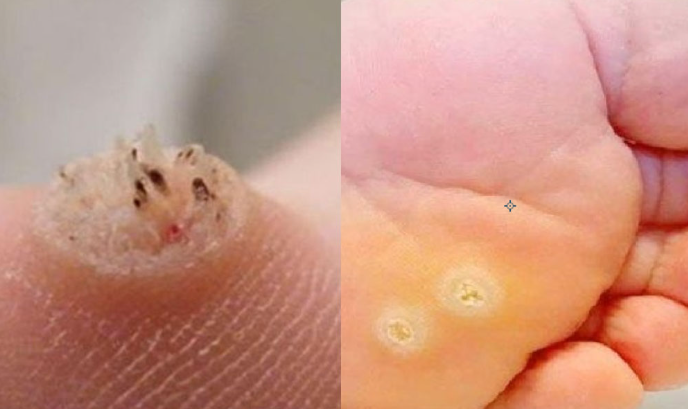
Most moles are simply clusters of pigmented cells and remain harmless throughout life. When a mole keeps its usual shape, size, and color, there is typically no reason for concern. However, if a spot begins to shift in appearance—such as changing color, growing larger, or becoming itchy or irritated—it may need a professional evaluation. Staying informed helps you notice these changes early and supports better long-term skin health.
The ABCDE Guide: A Simple Way to Check Your Moles
Dermatologists often recommend the ABCDE rule to help people recognize moles that may require attention. A mole may be considered unusual if one half looks different from the other, if its edges appear uneven or blurry, if it shows multiple colors instead of one uniform shade, if it measures more than 6 millimeters across, or if it gradually changes in appearance over time.
If you notice any of these characteristics, scheduling a medical checkup is a smart step.
Other Skin Growths Worth Noticing
Many types of skin growths can appear throughout life, and understanding their general appearance can make it easier to identify changes. Actinic keratoses often feel rough or scaly and develop after long-term sun exposure. Basal cell growths may look like pearly or waxy bumps on areas frequently exposed to sunlight. Squamous cell growths can appear as firm red bumps or flat patches with a crusted surface. Seborrheic keratoses are harmless, “stuck-on” spots that vary in shade from light to dark brown.
Recognizing these differences helps you stay aware of what is normal for your skin.
Signs That a Skin Spot May Need Attention
Certain changes may suggest that a spot should be checked by a doctor. A growth that suddenly appears or begins expanding quickly, a mole that becomes itchy or bleeds, color spreading beyond the original edges of the spot, or a sore that refuses to heal are all signs worth mentioning to a healthcare professional. These symptoms do not automatically indicate something serious, but they are important to evaluate.
What to Do If You Notice a Change
Caring for your skin is easier when you take simple steps consistently. Regular self-exams help you monitor new or changing spots. If you see something that doesn’t look familiar, a dermatologist can examine it and, if needed, perform a biopsy for a clear diagnosis. Protecting your skin by applying sunscreen daily, wearing protective clothing, and avoiding tanning beds can also reduce long-term risks.
Why Early Attention Matters: Sarah’s Story
Sarah, a 42-year-old teacher, once noticed a small mole on her arm that began changing shape. When she decided to have it checked, doctors identified a condition that required treatment. Because she acted early, the issue was addressed quickly and effectively. Today, she encourages others to pay attention to their skin and to seek help whenever something appears different.
Her experience shows how valuable early awareness can be for anyone.
Simple Ways to Support Healthy Skin
Healthy skin begins with everyday habits. Learning your family’s medical history can help you understand potential risks. Limiting direct sunlight during peak hours and applying broad-spectrum sunscreen with SPF 30 or higher supports long-term protection. Staying in touch with your doctor if you notice recurring changes is also important. Avoiding tanning beds further reduces unnecessary stress on your skin.
Final Thoughts
Most moles and skin growths are harmless, but staying observant ensures peace of mind. When a spot begins to change or simply doesn’t look the way it used to, reaching out to a medical professional is a responsible and empowering choice. Your skin protects you every day—taking a moment to protect it in return helps maintain your well-being.