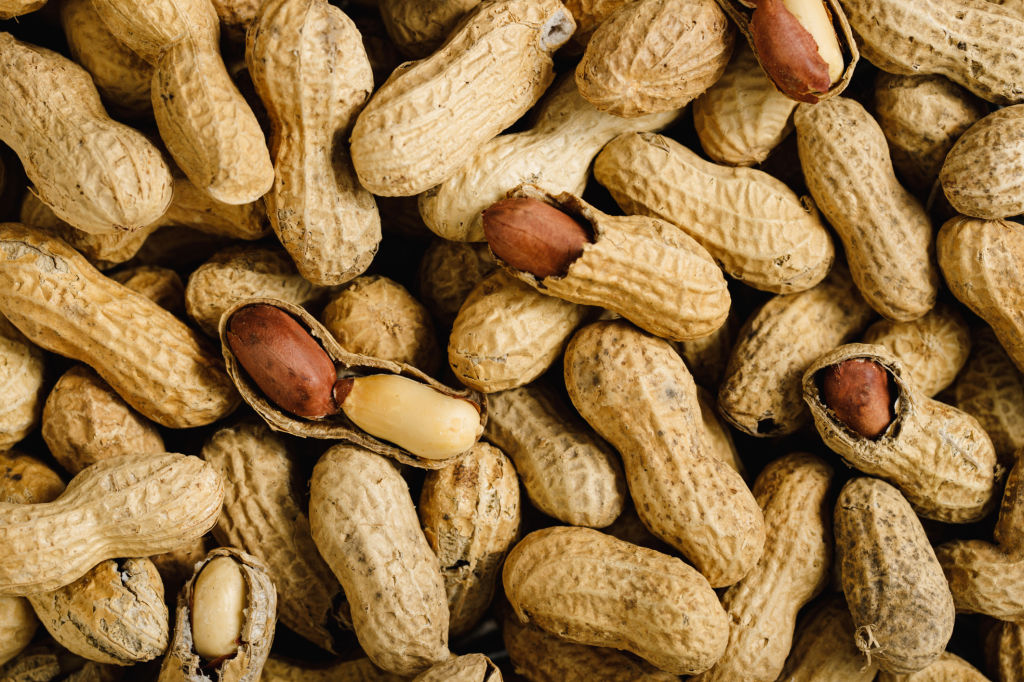
Peanuts are one of the world’s favorite foods—affordable, delicious, and used in everything from snacks to desserts. In countries like Brazil, peanuts are staples in beloved recipes such as paçoca, pé-de-moleque, peanut cakes, and festive sweets.
But beyond their irresistible taste, peanuts offer a variety of nutritional advantages that many people don’t know about. At the same time, there are a few important precautions worth keeping in mind.
If you’re someone who enjoys peanuts often, this guide will help you understand both their benefits and how to enjoy them safely.
Why Peanuts Deserve a Spot in Your Diet
Although peanuts are technically legumes and not true nuts, their nutrient profile is incredibly impressive. They contain:
-
High-quality plant protein
-
Healthy fats
-
Vitamins A, B6, and E
-
Minerals like calcium, iron, and phosphorus
-
Lecithin, amino acids, carotenoids, and choline
These nutrients support overall wellness, including metabolism, energy levels, and general health.
Studies suggest that regular peanut consumption may also support:
-
Heart health
-
Healthy cholesterol levels
-
A feeling of fullness
-
Long-term well-being
Top Health-Supporting Benefits of Peanuts
1. They Help Keep You Full for Longer
Thanks to their mix of protein, fiber, and healthy fats, peanuts digest slowly and provide steady, lasting energy. Even a small serving—like a spoonful of peanut butter—can help satisfy hunger and prevent overeating between meals.
2. They Support More Stable Energy and Blood Sugar Levels
Peanuts can help slow the absorption of carbohydrates, which contributes to more stable energy throughout the day. Enjoying a small portion in the morning can be especially beneficial for avoiding sudden energy dips.
3. They Contain Antioxidants Linked to Long-Term Health
Certain nutrients in peanuts—such as folic acid and antioxidants—have been studied for their potential to support overall wellness. While research continues, experts note that peanuts can be a helpful part of a balanced diet.
4. They May Support Gallbladder Health
Some studies suggest that people who regularly consume peanuts may have a lower likelihood of developing gallstones. Researchers believe this may be linked to how peanuts interact with cholesterol levels.
Important Precautions When Eating Peanuts
Peanuts can be extremely healthy, but only when eaten correctly. Keep these tips in mind:
1. Avoid Overeating Peanuts
More than 50 g per day may contribute to:
-
Weight gain
-
Gas or bloating
-
Digestive discomfort
Because peanuts are calorie-dense, moderation is essential.
2. Avoid Eating Them on an Empty Stomach
Their natural oil content may cause discomfort for some people, especially when eaten alone. It’s usually best to enjoy peanuts with a meal or as part of a snack.
3. Never Consume Peanuts That Look or Smell Moldy
Moldy peanuts can contain harmful toxins. Always check their appearance and smell before eating.
4. Be Careful If You Take Blood-Thinning Medications
Peanuts contain vitamin E, which may influence blood clotting.
People who use medications such as:
-
Warfarin
-
Rivaroxaban
-
Apixaban
-
Any other anticoagulant
should consult a healthcare professional before increasing their peanut intake.
Who Should Limit or Avoid Peanuts?
1. Individuals With Peanut Allergies
Peanut allergy is serious and can cause symptoms such as:
-
Itching or hives
-
Swelling
-
Trouble breathing
-
Dizziness
Anyone with a diagnosed allergy should avoid peanuts completely.
2. People With Gout or High Uric Acid
Although peanuts contain fewer purines than meat, they may still slightly affect uric acid levels. Small amounts are usually fine, but it’s best to avoid them during flare-ups.
3. Anyone With a Sensitive Digestive System
Even boiled peanuts can trigger:
-
Gas
-
Bloating
-
Discomfort
Extra caution is recommended for:
-
Young children
-
Older adults
-
People recovering from illness
-
Anyone with frequent digestive issues
Final Thoughts
Peanuts are a delicious, affordable, and nutrient-packed food that can support overall wellness when eaten in moderation. From providing energy to helping you feel fuller for longer, they offer many benefits as part of a balanced lifestyle.
However, it’s important to consider allergies, digestion, and any medical conditions you may have. When in doubt, consult a healthcare professional.
Enjoyed responsibly, peanuts remain one of the most satisfying and accessible superfoods nature has to offer.