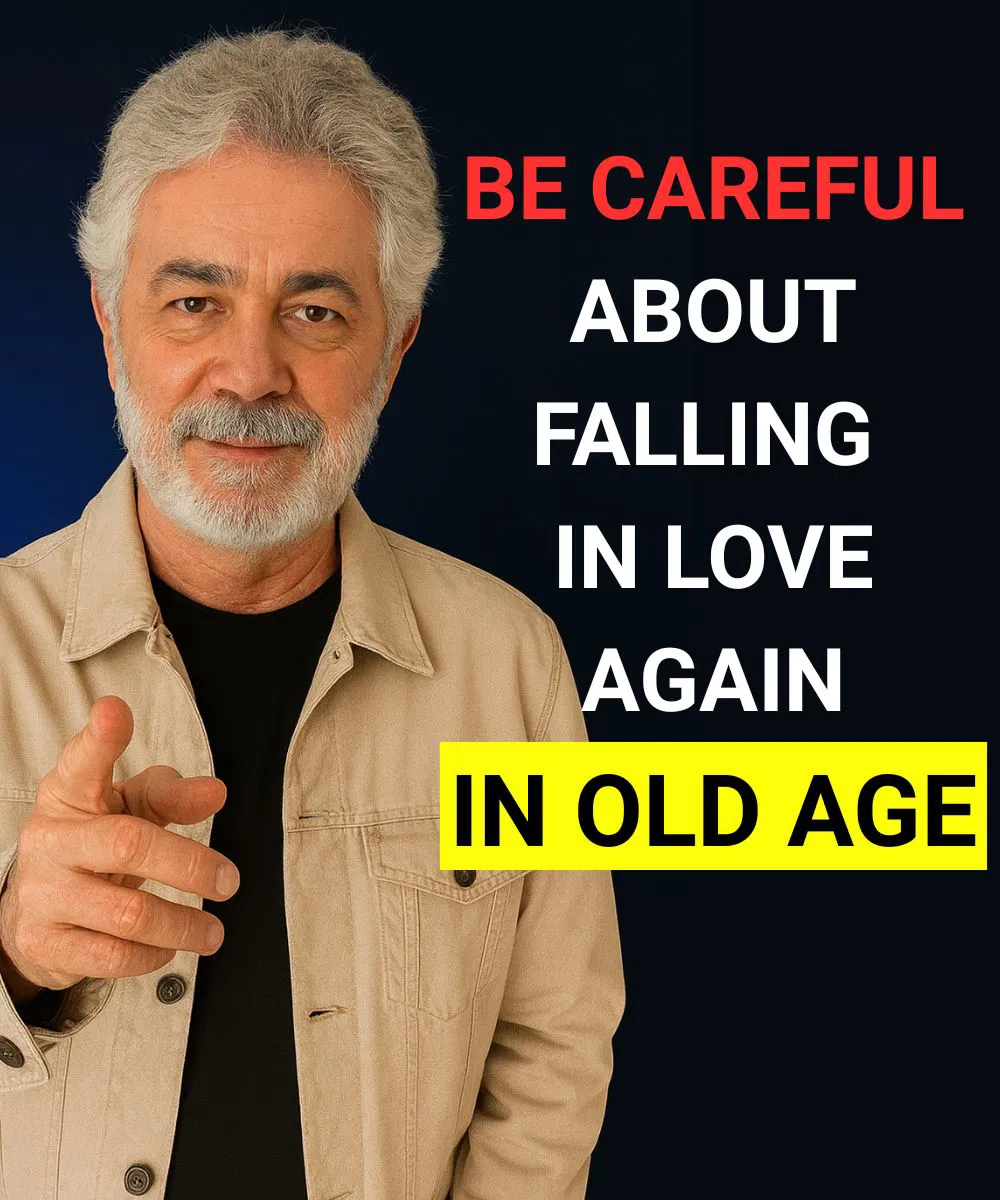
Falling in love later in life can be beautiful, uplifting, and deeply meaningful. But it can also bring unexpected challenges that many don’t anticipate.
I realized this the day a 67-year-old woman sat across from me and quietly said:
“I think I’m falling in love… and it feels overwhelming.”
Love in our 60s isn’t the same as love in our 20s. By this age, most people have:
-
A strong sense of identity
-
Established routines
-
Emotional history and life experience
-
A deep sense of independence
So when someone new enters your life and stirs your emotions, the shift can be powerful—and sometimes confusing.
Below are the most common challenges people face when navigating romance after 60, along with helpful ways to protect your emotional and personal well-being.
1. Confusing Loneliness With Love
Many adults in their 60s and beyond have gone through major life changes—retirement, the loss of a spouse, children moving out, or friendships changing.
This can leave an emotional void, and when someone kind and attentive appears, the comfort they bring may feel like love.
But often, it’s not love—it’s relief.
Rushing into a relationship to escape loneliness can make you vulnerable. What truly helps is building meaningful connections, maintaining hobbies, and nurturing social support—not depending solely on one person.
2. The Pressure of “This Might Be My Last Chance”
Breakups in early adulthood are painful, but they often come with the belief that there’s plenty of time ahead.
After 60, a different thought can appear:
“What if this is my final opportunity for love?”
This fear can make people overlook red flags, idealize a new partner, or rush into commitments. Healthy relationships grow naturally; they don’t come from urgency or fear.
3. Protecting Your Finances and Assets
By this stage of life, many people have built significant financial stability—such as a paid-off home, savings, or retirement funds. This can unfortunately make older adults targets for financial manipulation.
Some concerning signs include:
-
Sudden requests for financial help
-
Pressure to combine money or accounts
-
Suggestions to change wills or beneficiaries
-
Attempts to create distance between you and your family
Healthy love never requires financial sacrifice. Decisions involving money should be slow, thoughtful, and discussed with trusted family members or advisors.
4. The Challenge of Blending Two Full Lives
By 60, you’ve built a complete life with routines, preferences, memories, and values. Your partner has done the same.
This can make compatibility more complex. Differences in lifestyle, family expectations, or even daily habits can create tension.
A helpful approach many couples adopt is maintaining independent households. This “together but living separately” model allows closeness while preserving personal space and minimizing conflict.
5. Navigating Emotional and Physical Intimacy
Affection and closeness remain important at any age. But for someone who hasn’t experienced emotional or physical intimacy in years, a new relationship can feel overwhelmingly intense.
This can blur judgment and create a fast emotional attachment, even when deeper compatibility hasn’t been established.
Taking things slowly helps ensure the relationship grows from genuine connection, not just excitement.
6. How a New Relationship Affects Your Family
At this point in life, your personal relationships don’t exist on their own—you may have children, grandchildren, siblings, or long-time friends.
A new partner becomes part of this emotional circle. If the transition is not handled carefully, it can create misunderstandings or distance within the family.
Common issues include:
-
Conflicts over trust or intentions
-
Concerns about finances or inheritance
-
Shifts in family dynamics
-
Miscommunication or emotional strain
To keep relationships healthy, it’s important to maintain open communication, avoid sudden decisions, and reassure loved ones that they still play a central role in your life.
A Healthy Love After 60 Is Absolutely Possible
Love later in life can be joyful, supportive, and deeply nourishing. The key is moving at your own pace, protecting your well-being, and keeping your life balanced.
Take your time.
Maintain boundaries.
Stay connected to family and friends.
Keep your independence strong.
And choose relationships that bring peace—not pressure.