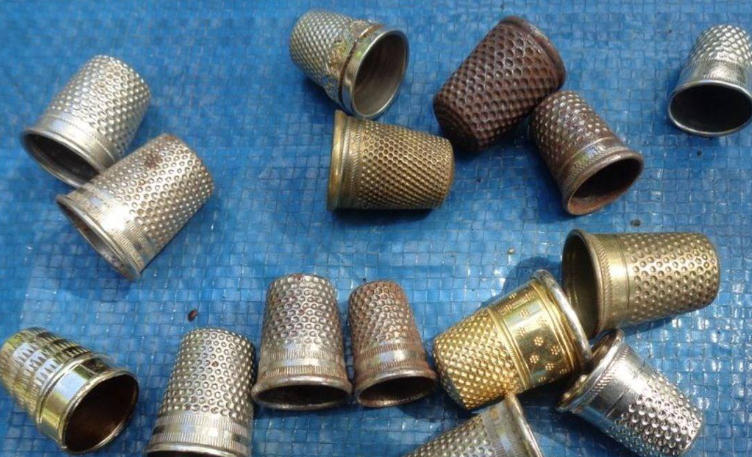
At first glance, a thimble may look like a simple and ordinary sewing accessory. However, this small tool plays an important role in hand sewing. A thimble is a protective cover—usually made of metal, plastic, or leather—worn on a finger, most often the middle finger or thumb. Its main purpose is to protect the skin while helping the user push a needle safely and comfortably through fabric.
When working with thick, layered, or tightly woven materials, pushing a needle by hand can become uncomfortable over time. A thimble provides a firm surface that allows better control and pressure, making stitching smoother and more efficient.
How Thimbles Have Evolved Over Time
Modern thimbles are available in many designs, sizes, and materials. Some focus purely on function, while others include textured surfaces or decorative details to improve grip and comfort. Although metal thimbles are the most common today, early versions were often made from leather, offering flexibility and basic protection.
The word “thimble” is believed to come from the term “thumb-bell,” referring to the bell-shaped caps originally worn on the thumb. Over time, the design evolved to suit different sewing styles and techniques.
A Brief Look at Thimble History
Thimbles have been used for thousands of years. Archaeological findings show their presence in ancient civilizations such as China and the Roman Empire, where they were made from materials like bone, bronze, and ivory. These early tools were practical household items and reflected the importance of sewing in everyday life.
In Europe during the 16th and 17th centuries, thimbles became more than just tools. Wealthier families often owned silver or gold thimbles, sometimes decorated with engravings or small details. These pieces were valued and passed down through generations, highlighting the cultural significance of sewing and handmade craftsmanship.
Why Thimbles Are Essential for Sewing
Despite changes in design, the purpose of a thimble has remained the same. It supports the hand during sewing by improving control and reducing strain. Without a thimble, repeated needle pressure can lead to discomfort or minor injuries.
Thimbles help by:
-
Allowing safer pressure when pushing a needle through thick fabrics
-
Reducing the risk of finger soreness or needle-related injuries
-
Improving stitching accuracy and efficiency
Different crafts often require different types of thimbles. Quilters, tailors, embroiderers, and leatherworkers may choose styles specifically designed for their techniques. For many experienced sewers, a properly fitted thimble becomes an essential part of their workflow.
Common Types of Thimbles Used Today
There are several thimble styles available to suit various preferences and tasks:
-
Closed-top thimbles fully cover the fingertip and offer strong protection for general sewing.
-
Open-top thimbles leave the fingertip exposed, providing flexibility and comfort, especially for users with longer nails.
-
Leather thimbles are soft and comfortable, making them suitable for delicate fabrics or extended use.
-
Adjustable ring thimbles fit around the finger and are often used for side-pushing techniques, especially in quilting.
-
Combination thimbles use both leather and metal to balance comfort and durability for repetitive sewing tasks.
Materials and Their Benefits
Thimbles are made from different materials to match various sewing needs:
-
Metal thimbles such as steel, brass, or silver are durable and long-lasting.
-
Plastic or resin thimbles are lightweight, affordable, and suitable for casual sewing.
-
Leather thimbles provide flexibility and comfort, ideal for long sessions or fine handwork.
Each material offers unique advantages, allowing users to choose the option that best fits their sewing style.
A Small Tool With Lasting Value
Although small in size, thimbles have made a lasting impact on sewing traditions across cultures and generations. They represent a blend of practicality, history, and thoughtful design. Whether used occasionally or every day, a thimble shows how simple tools can remain useful and relevant over time.
You may also like:
Helpful sewing tools that improve accuracy and comfort
Timeless handcraft tools still used today