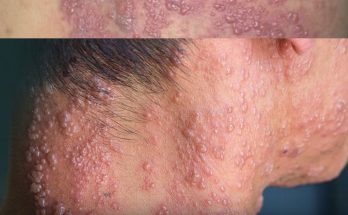
Many people think acne is something that only teenagers deal with. However, a growing number of adults—especially those in their 40s, 50s, and beyond—continue to experience persistent breakouts along the chin and jawline. For many, these pimples become a long-term skin concern rather than a temporary phase.
If you often find pimples forming around your chin, you are not alone. Dermatologists are seeing a steady rise in adult chin acne, and the causes often have little to do with the typical teenage breakouts. Factors such as stress, hormonal shifts, lifestyle habits, and even certain products all play an important role.
The good news is that with the right information and a few daily adjustments, chin acne can become much more manageable—and in many cases, preventable.
Below is a closer look at what triggers chin breakouts later in life and the practical steps that can help restore clearer, healthier skin.
Hormonal Shifts: A Leading Cause of Chin Acne
Hormones are among the most common contributors to adult chin acne. Breakouts in this area are closely linked to fluctuations in androgens—hormones that stimulate the skin’s oil glands.
For women, these fluctuations often occur during:
-
Menopause or perimenopause
-
Hormone replacement therapy
-
Starting or stopping birth control
-
Irregular cycles or conditions such as PCOS
Men also experience age-related hormonal shifts that increase oil activity around the chin, leading to clogged pores.
When breakouts appear in a predictable pattern—such as every month or during times of hormonal transition—it usually indicates that the skin is responding to internal changes rather than external factors.
Stress and the Role of Cortisol
Even in later stages of life, stress remains part of daily living, whether from family responsibilities, financial concerns, or general emotional pressures.
When the body experiences stress, it releases cortisol. Higher cortisol levels can increase oil production, making the chin area more prone to breakouts.
For adults who already manage sensitive or mature skin, stress-related acne can feel especially frustrating. Practices such as gentle exercise, relaxation techniques, outdoor time, and mindful breathing can help reduce stress and support clearer skin.
How Diet Can Influence Chin Breakouts
What you eat can also affect the appearance of your skin, and some foods are more likely to trigger acne flare-ups—especially along the chin and jawline.
Common dietary triggers include:
-
Dairy products such as milk and cheese
-
Sugary foods and drinks
-
Highly processed carbohydrates
-
High-glycemic foods that rapidly raise blood sugar
For older adults, being mindful of these foods supports not only better skin but also overall health. Choosing whole foods—fruits, vegetables, lean protein, and whole grains—helps promote a clearer complexion and stable energy levels.
Skincare Habits That May Be Making Things Worse
While hormones and diet play major roles, everyday skincare choices also influence how often breakouts appear.
Common mistakes include:
-
Using harsh cleansers or overly drying products
-
Scrubbing aggressively
-
Sleeping with makeup on
-
Touching or squeezing pimples
Mature skin responds best to gentle routines. A mild cleanser, non-comedogenic moisturizer, and targeted acne treatments such as salicylic acid or benzoyl peroxide can support healing without irritation.
How Hair Products and Facial Hair Contribute
Haircare products like shampoo, conditioner, or styling creams can sometimes leave residue that migrates onto the chin throughout the day. Ingredients such as oils or silicones may clog pores.
For men, facial hair can trap bacteria and oil, increasing the likelihood of breakouts along the lower face.
Switching to non-comedogenic hair products and cleansing facial hair daily can make a noticeable difference.
Surfaces That Touch Your Chin More Than You Think
Several everyday items come into frequent contact with the chin, often without people realizing it. These include pillowcases, phone screens, and even your own hands.
Simple habits—such as changing pillowcases twice a week, cleaning your phone regularly, and avoiding resting your chin on your hands—can help reduce the transfer of bacteria and oils to the skin.
When Stubborn Breakouts Signal Something More
Occasional breakouts are normal. But ongoing or severe chin acne can sometimes point to an underlying issue. Women dealing with recurring, inflamed chin acne may be experiencing signs of PCOS or other hormone-related conditions.
If lifestyle changes and over-the-counter products provide little improvement, consulting a healthcare provider can help identify any internal causes.
Effective Ways to Care for Chin Acne
Treating chin acne requires time and consistency, but many people achieve clearer skin by combining simple daily habits with a thoughtful skincare routine.
Dermatologists often recommend:
-
Cleansing with a gentle, fragrance-free wash
-
Using treatments containing salicylic acid, benzoyl peroxide, or adapalene
-
Moisturizing with non-comedogenic formulas
-
Avoiding touching or picking at pimples
-
Reviewing all skincare, makeup, and hair products for pore-clogging ingredients
-
Supporting general wellness through balanced nutrition, hydration, stress management, and quality sleep
For persistent cases, a dermatologist may suggest prescription treatments or advanced therapies that target hormonal or deep-seated acne.
Restoring Clearer, Healthier Skin at Any Age
Dealing with chin acne as an adult can feel discouraging, especially when breakouts seem unexpected or difficult to control. But clearer skin is absolutely achievable. With gentle care, consistent habits, and the right guidance, many people find they can greatly reduce breakouts and restore confidence in their complexion.
Acne is not limited to any specific age group. With knowledge, patience, and everyday care, healthier skin is within reach for anyone.