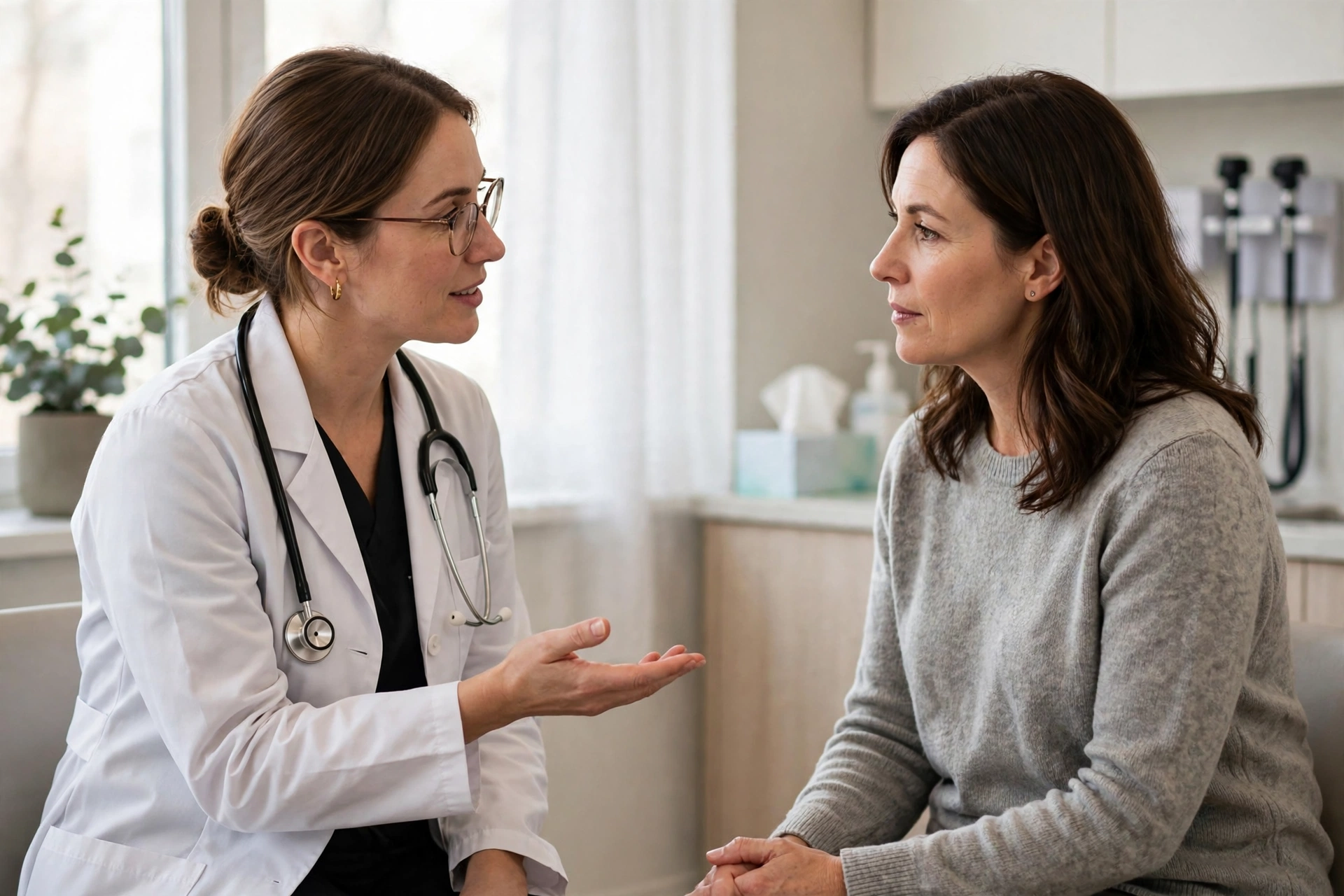
Breast cancer is one of the most studied diseases in modern medicine, and it still affects millions of people every year. For many families, the words alone can bring fear. But knowledge changes that fear into action. When you understand how breast cancer starts, what signs to watch for, how doctors find it, and how treatment works today, you can make better decisions for yourself and for the people you love. This guide explains it all in clear, simple language: the causes, the symptoms, the types, the stages, the tests, the treatments, and the hope that comes with early detection and modern care.
What Is Breast Cancer?
Breast cancer starts when cells in the breast begin to grow in an uncontrolled way. Normal cells grow, divide, and die in an orderly pattern. In cancer, that pattern breaks down. Cells keep dividing when they should stop, and they can form a lump or tumor. Over time, if they are not found or treated, they can grow into nearby tissue.
It can happen in both women and men, but it is much more common in women. It can start in different parts of the breast, including the milk-producing lobules, the ducts that carry milk toward the nipple, or the connective tissue around them. If cancer cells travel to other parts of the body, doctors call this spread metastasis. The most common places for breast cancer to spread are the lymph nodes under the arm, the bones, the liver, and the lungs. Finding cancer early, before it spreads, is one of the main reasons screening saves lives.
It Is Not One Single Disease
Breast cancer is not one illness with one treatment. It has several different forms, and each one behaves differently.
DCIS, or ductal carcinoma in situ: This is a non-invasive form. The abnormal cells stay inside the ducts and have not spread into surrounding tissue yet. It is often found on a mammogram before it can be felt. Treatment is usually very successful at this stage.
Invasive ductal carcinoma: This is the most common type. It starts in the ducts, then grows into nearby breast tissue. From there, it can spread to lymph nodes and beyond if it is not treated.
Invasive lobular carcinoma: This type starts in the lobules, the glands that make milk. It can also spread outward into surrounding tissue. It is sometimes harder to feel as a distinct lump, which is why imaging matters.
Inflammatory breast cancer: This is a rarer and more aggressive form. It often does not cause a clear lump. Instead, it causes redness, warmth, and visible swelling of the breast. The skin may look thick or pitted. Because it can look like an infection at first, it needs prompt medical attention.
Paget disease of the nipple: This form affects the skin of the nipple and the area around it. It can look like eczema, with redness, flaking, itching, or crusting. If a nipple rash does not heal, it should be checked.
How doctors classify it by receptors

Doctors also classify breast cancer by its receptors. This helps them choose treatment:
Hormone receptor positive: The cancer cells have receptors for estrogen or progesterone. These hormones can fuel growth, so hormone therapy can help block them.
HER2 positive: The cancer cells make too much of a protein called HER2, which makes them grow faster. Targeted drugs can block this protein.
Triple negative: The cancer does not have estrogen receptors, progesterone receptors, or extra HER2. It needs a different treatment approach, often chemotherapy and immunotherapy.
Your pathology report will explain your type. Ask your doctor to walk through it with you in plain language.
What Causes Breast Cancer?
There is no single cause. Breast cancer develops when changes happen in the DNA of breast cells. Some of these changes are inherited. Most happen during a person’s life because of a mix of age, hormones, lifestyle, and chance. You cannot control every risk factor, but understanding them helps you know when to be more careful about screening.
Who Is More at Risk?
Anyone can develop breast cancer, but some factors raise the risk more than others.
Age: Risk rises as people get older. Most cases are found in women over 50, but younger women can develop it too.
Family history and genes: A family history of breast or ovarian cancer raises risk, especially when close relatives were diagnosed young. Inherited changes in the BRCA1 or BRCA2 genes raise risk considerably. Other gene changes can also play a role. If several family members had breast, ovarian, pancreatic, or prostate cancer, ask your doctor about genetic counseling and testing.
Hormonal factors: Starting periods at a young age, going through menopause late, never having children, or having a first child after age 30 all mean longer exposure to estrogen over a lifetime. Hormone therapy after menopause can also raise risk for some people.
Lifestyle factors: Obesity after menopause, little physical activity, and drinking too much alcohol are all linked to higher risk. Smoking is linked to many cancers and to worse outcomes overall.
Breast density: Dense breast tissue, which has more glandular tissue and less fat, can make mammograms harder to read. It is also linked to a slightly higher risk. If you have dense breasts, your doctor may suggest extra imaging.
Previous breast conditions: Some non-cancerous breast changes, previous radiation to the chest, and a personal history of breast cancer can raise future risk.
Having one or more risk factors does not mean you will get breast cancer. Many people with risk factors never develop it, and many people with no known risk factors do. Risk is a guide for screening, not a prediction.
Symptoms to Watch For
In the early stages, breast cancer often causes no clear symptoms. That is why regular screening is so valuable. It can find cancer before you can feel it. When symptoms do appear, the most common ones are:
- A lump or thick area in the breast or under the arm, often painless to the touch
- A change in the size or shape of one breast
- Dimpling or puckering of the skin, sometimes described as looking like orange peel
- Redness, warmth, or swelling in part of the breast
- Flaking, crusting, or redness around the nipple
- A nipple that turns inward when it did not before
- Unusual discharge from the nipple, especially if it is bloody or comes from one breast only
- Persistent pain in the breast or nipple that does not go away
- Swelling in the armpit or near the collarbone
- A lasting sensation of burning, itching, or tenderness in one area
Any of these changes deserves prompt medical attention. Most lumps and changes are not cancer. Cysts, infections, and benign growths are common. But only a doctor and proper tests can tell the difference, so do not wait and hope it goes away. If you notice a change, write down when you first noticed it, whether it has changed, and whether you have pain, fever, or other symptoms. That note will help your doctor.
How Is It Diagnosed? A Step by Step Look
Early and accurate diagnosis makes treatment much more successful. Diagnosis usually happens in steps.
Step 1: Clinical breast exam. Your doctor will ask about your history, examine both breasts and the lymph nodes under your arms, and look for changes in the skin, nipple, size, or shape.
Step 2: Mammogram. A mammogram is an X-ray of the breast. It is the most widely used screening test, and it can find small changes before they can be felt. The breast is gently pressed between two plates to get a clear image. It can be uncomfortable for a few seconds, but it is usually quick.
Step 3: Ultrasound. Breast ultrasound uses sound waves to create images. It can help tell the difference between a fluid-filled cyst and a solid lump. It is often used alongside a mammogram, especially in younger women or in women with dense breasts.
Step 4: MRI. Magnetic resonance imaging uses magnets and radio waves to make detailed pictures. It is often recommended for women at high risk, for women with very dense tissue, or when doctors need more detail before surgery.
Step 5: Biopsy. If imaging shows something suspicious, a biopsy is the test that confirms a diagnosis. A doctor removes a small sample of tissue, usually with a thin needle, and a laboratory checks it under a microscope. The lab also tests for hormone receptors and HER2 status.
Step 6: Further tests if needed. If cancer is confirmed, your team may order more tests to check the stage and whether it has spread. These can include blood tests, scans, and tests on lymph nodes. Waiting for results is stressful. Ask your team how long results will take, who will call you, and what the next step will be. Bring a family member or friend to appointments if it helps you remember information and ask questions.
Understanding Stages in Simple Terms
Staging describes how far cancer has grown and whether it has spread. It helps doctors plan treatment and understand the outlook.
Stage 0: The cancer is non-invasive and stays where it started, such as DCIS.
Stage 1: The tumor is small and has not spread far, or has only spread to a very small area in nearby lymph nodes.
Stage 2: The tumor is larger, or it has spread to a few lymph nodes under the arm.
Stage 3: The cancer is more advanced in the breast or lymph nodes, but has not spread to distant organs.
Stage 4: The cancer has spread to other parts of the body, such as bones, liver, or lungs. This is also called metastatic breast cancer.
Stage is important, but it is not the whole story. The type, the receptors, your age, your overall health, and how the cancer responds to treatment all matter too.
Treatment Today Is Personalized
Treatment has improved a lot in recent years. It is now tailored to the type of cancer, its stage, its receptors, and the person. No two treatment plans are exactly the same. Your oncology team will talk through the benefits, side effects, and goals of each option with you.
Surgery
Surgery is often the first step. A lumpectomy removes the tumor plus a small margin of healthy tissue around it. It preserves most of the breast. It is often followed by radiation. A mastectomy removes one or both breasts, partly or completely. Some people choose this because of the size or location of the tumor, because of genetic risk, or because of personal preference. Doctors may also do a sentinel lymph node biopsy to check whether cancer has spread to the lymph nodes under the arm. This helps with staging and with planning further treatment. Some people also consider breast reconstruction, either at the same time as surgery or later. Your surgeon can explain the options, the timing, and what recovery looks like.
Radiation Therapy
Radiation therapy uses targeted rays to destroy remaining cancer cells in the breast and nearby area. It is often recommended after breast-conserving surgery to lower the chance of cancer coming back in the same breast. Treatment is usually given in short daily sessions over several weeks. Newer approaches sometimes use fewer, stronger sessions. Side effects can include skin redness, tiredness, and swelling, which usually improve after treatment ends.
Chemotherapy
Chemotherapy uses strong medicines that attack cancer cells throughout the body. It may be given before surgery to shrink a tumor and make surgery easier. This is called neoadjuvant chemotherapy. It may also be given after surgery to lower the risk of recurrence. This is called adjuvant chemotherapy. Common side effects include fatigue, nausea, hair loss, mouth sores, and a higher risk of infection because white blood cell counts can drop. Your team will give you medicines and advice to manage these effects, and many side effects improve after treatment ends.
Hormone Therapy
Hormone therapy is used when the cancer is sensitive to estrogen or progesterone. It blocks the hormones that can fuel tumor growth, or lowers the amount of hormones in the body. Tamoxifen is often used in premenopausal women. Aromatase inhibitors such as letrozole and anastrozole are often used after menopause. Treatment usually lasts for several years. Side effects can include hot flashes, joint pain, and changes in bone density, so your doctor will monitor you closely.
Targeted Therapy
Targeted therapy focuses on specific proteins or changes in cancer cells. Trastuzumab, also known as Herceptin, is a well-known treatment for HER2-positive breast cancer. It blocks the HER2 protein and helps the immune system attack the cancer cells. Other targeted drugs work on different pathways, and new ones are being studied all the time.
Immunotherapy
Immunotherapy helps the body’s own immune system recognize and attack cancer cells. It is now an option for some specific cases, especially triple-negative breast cancer, and research in this area continues to grow. Your doctor will explain whether immunotherapy fits your type and stage, and what side effects to watch for.
Side Effects and How to Cope
Treatment can be hard on the body and the mind. Knowing what to expect can make it easier to cope. Common physical challenges include:
- Fatigue that does not go away with rest
- Nausea and changes in appetite or taste
- Hair loss, skin changes, and nail changes
- Pain after surgery, and stiffness in the arm or shoulder
- Swelling in the arm, called lymphedema, after lymph node surgery
- Effects on fertility, especially in younger women
- Early menopause or bone thinning from some treatments
Tell your team about every side effect, even if it seems small. There are medicines, exercises, and supportive care options for many of them. Physical therapy can help with arm movement and swelling. A dietitian can help with appetite and weight changes. Do not try to manage severe symptoms alone.
Food, Movement, and Supportive Care

Medical treatment is the foundation of care. Complementary approaches cannot replace it, but some people find they help with overall wellbeing during and after treatment. A balanced diet can help the body stay strong. That often includes:
- Cruciferous vegetables such as broccoli, kale, and cauliflower
- Antioxidant-rich fruits such as berries, pomegranate, and dark grapes
- Healthy fats from avocado, olive oil, nuts, and chia seeds
- Whole grains, beans, lentils, and lean protein
- Plenty of water, and less processed food, sugary drinks, and alcohol
Turmeric with black pepper and green tea are also widely studied for their antioxidant properties. They can be part of a healthy diet, but they are not a treatment for cancer on their own.
Some supplements and herbs, such as vitamin D, omega-3 fatty acids, probiotics, cat’s claw, and astragalus, have been studied for immune and gut support. The evidence is mixed, and doses matter. Therapies such as acupuncture, yoga, gentle stretching, meditation, aromatherapy, and therapeutic massage may help with pain, anxiety, sleep, and emotional stress.
Important: Always talk to your oncologist before starting any supplement, herbal product, or new therapy. Some can interfere with chemotherapy or radiation, or affect blood clotting and healing.
Movement also helps. Light walking, stretching, and gentle exercise, as approved by your doctor, can reduce fatigue, improve mood, and help you recover strength after treatment. Start slowly and build up. Rest when you need to, and do not push through severe pain or breathlessness.
Can You Lower Your Risk?
Breast cancer cannot be completely prevented, but there are steps that can lower risk.
- Keep a healthy weight, especially after menopause
- Be physically active, aiming for at least 150 minutes of moderate activity each week, such as brisk walking
- Limit alcohol, and avoid tobacco completely
- Breastfeed when possible, if you have children
- Talk to your doctor about hormone therapy after menopause, especially if you are at higher risk
- Know your family history, and share it with your doctor
Screening and Common Myths
Screening is just as important as lifestyle:
- Learn what is normal for your breasts, and check for changes regularly
- Have a medical checkup at least once a year
- Ask your doctor when to start mammograms. Many guidelines suggest starting at age 40, or earlier if you have a family history, a genetic change, or other high-risk factors
- If you have dense breasts, ask whether ultrasound or MRI should be added
Early detection is still the most powerful factor in improving outcomes. A cancer found early is usually smaller, easier to treat, and less likely to have spread.
Common Myths and Facts
Myths can cause fear or delay care. Here are some common ones, explained simply:
Myth: Only older women get breast cancer. Fact: Risk rises with age, but younger women can develop it too, and men can develop it as well.
Myth: A lump that does not hurt is not cancer. Fact: Many breast cancers are painless at first. Pain does not prove or rule out cancer.
Myth: If no one in your family had it, you are safe. Fact: Most breast cancers happen in people with no family history. Family history raises risk, but lack of it does not remove risk.
Myth: A mammogram can cause cancer or spread it. Fact: A mammogram uses a very low dose of radiation. The benefit of early detection is far greater than the very small risk from the test. It does not spread cancer.
Myth: Natural treatments alone can cure breast cancer. Fact: No diet, herb, or supplement has been proven to cure breast cancer alone. They can support wellbeing, but they must not replace medical treatment. If you hear a claim that sounds too good to be true, ask your doctor or check a trusted medical source before acting on it.
Life Beyond Diagnosis: The Emotional Side
Breast cancer affects far more than the body. Treatment can bring fatigue, nausea, hair loss, pain after surgery, and possible effects on fertility. Emotionally, many people face anxiety, depression, changes in body image, fear of recurrence, and changes in intimate life. Socially and financially, it can mean time away from work, high medical costs, isolation, and needing help from family or caregivers for a long time. These feelings are normal, and they deserve care too.
Support can come from many places:
- Talking openly with your oncology team about fears and side effects
- Individual or group psychotherapy, and support groups with people who understand
- Physical rehabilitation to rebuild strength and movement
- Breast reconstruction when wanted, and help with prostheses and clothing
- Steady support from family, friends, and community
If you are supporting someone else, the most helpful things are often simple: listen without judgment, help with meals, rides, childcare, or housework, go to appointments if they want company, and keep showing up after treatment ends, when many people feel most alone.
Hope: What Survival Looks Like Today
Thanks to advances in medicine, the five-year survival rate for breast cancer found in its early stages is now over 90 percent. That means more than 9 out of 10 people diagnosed early are alive five years later. Many people live for decades after a diagnosis. Follow-up care usually includes regular checkups, mammograms, blood tests when needed, and monitoring for late side effects or recurrence. Your team will create a follow-up plan that fits your type and stage.
Research continues to improve treatment. New targeted drugs, better immunotherapy, gentler radiation, and more precise surgery are helping doctors treat cancer more effectively while protecting quality of life. Survivors often become advocates and educators for others. Their stories help reduce fear and encourage earlier screening in their communities.
As many survivors say:
“Cancer taught me to value life one day at a time.”
“My scar does not weaken me. It gives me strength.”
“I am not a victim. I am a warrior.”
Questions to Ask Your Doctor
If you or someone you love is facing a diagnosis, these questions can help you feel more in control:
- What type and stage is my cancer, and what does that mean?
- What are my treatment options, and what are the goals of each one?
- What side effects should I expect, and how can we manage them?
- How long will treatment take, and how often will I need to come in?
- Should I consider genetic testing?
- What screening and follow-up will I need after treatment?
- Who can I call if I have a problem between visits?
- Where can I find support for emotional, financial, or practical help?
Write the answers down, or ask if you can record the visit. Bring a trusted person to help you remember.
Frequently Asked Questions
Does breast cancer always cause a lump? No. Some cancers cause a lump, but others cause only skin changes, nipple changes, swelling, or pain. Some are found only on a mammogram with no symptoms at all.
Can men get breast cancer? Yes, although it is rare. Men can develop a lump, nipple change, or discharge too, and they should get any change checked promptly.
How often should I get a mammogram? It depends on your age, risk, and local guidelines. Many guidelines suggest starting at age 40 and repeating every one to two years. Your doctor can give you a personal schedule.
If my mammogram is normal, am I safe? A normal mammogram is reassuring, but it does not guarantee there is no cancer. Keep going for regular screening, and report any new change between screenings.
What if I am afraid of the result? Fear is normal. Many people feel anxious before a test or while waiting for results. Talk to your doctor, a nurse, or a counselor. Avoid searching for worst-case stories online. Focus on the next step, not on every possible outcome.
The Bottom Line
Breast cancer is serious, and it is also one of the most studied and most treatable cancers when it is found early. Medical care, supportive therapies, honest emotional support, and a strong network around you can make a real difference in how you move through treatment and life after it. Prevention helps. Screening helps even more. Knowing your body, knowing your risk, and getting any change checked quickly are the most reliable tools you have. Whether you are facing this personally or standing beside someone who is, you are not alone. Reach out for medical care, for support, and for clear information. Early action saves lives, and hope today is stronger than ever.
This article is for general educational purposes only. It is not a substitute for medical advice, diagnosis, or treatment. If you notice a change in your breast, speak to a qualified healthcare professional.