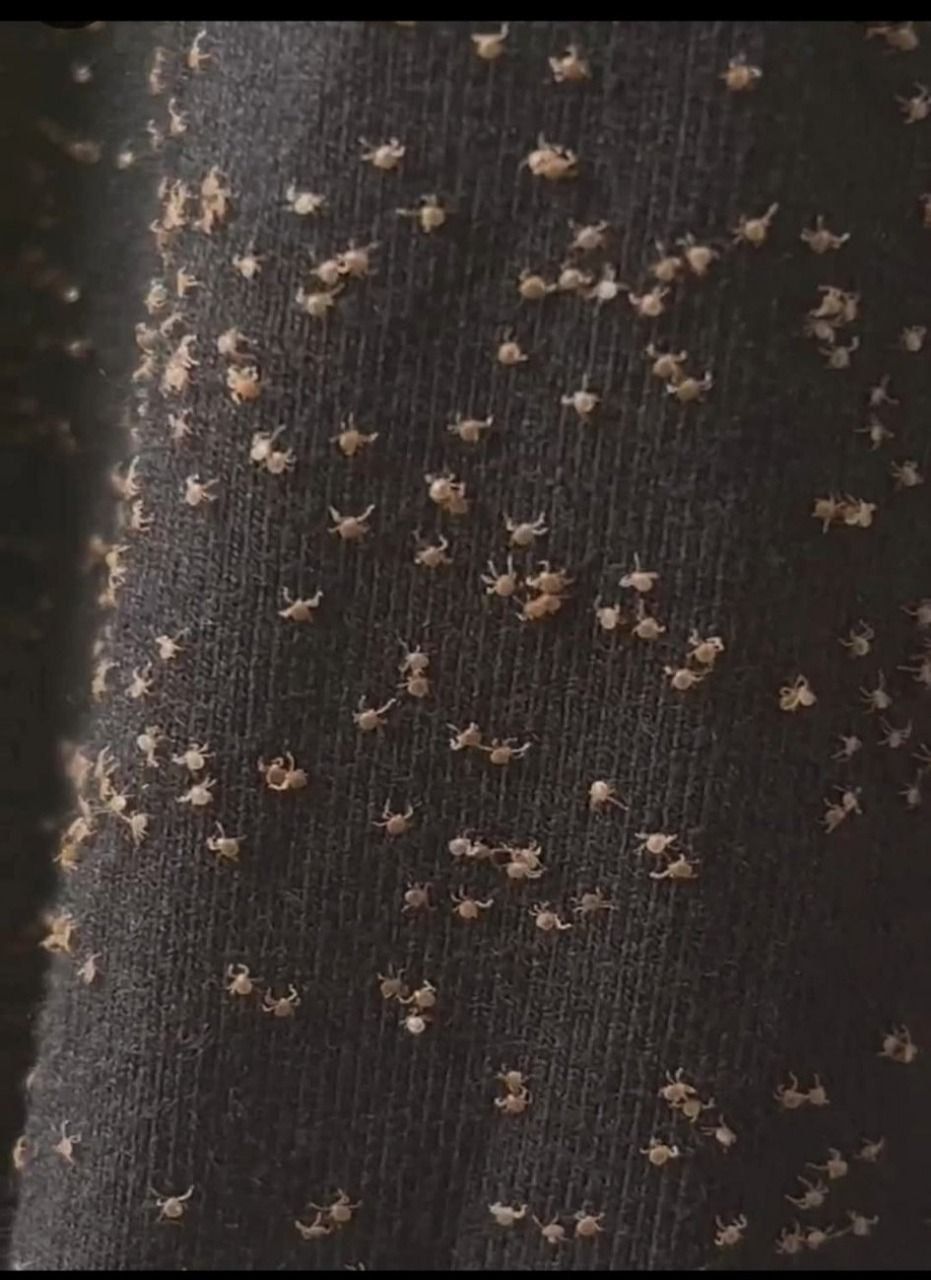
Have you ever stepped out for a calm, refreshing walk—maybe through a park, along a quiet trail, or across an open field—only to return home and notice your pant legs covered in tiny, clingy bits? At first glance, it can feel strange or even a little annoying. You might wonder where they came from or how they managed to stick so well without you even noticing. While it may seem like a small mystery, the explanation behind it is actually both simple and fascinating.
In most cases, those tiny hitchhikers are plant seeds, often referred to as burrs or stickseeds. These seeds are part of a natural process that plants use to survive and reproduce. Unlike seeds that rely on the wind or water to spread, these particular plants have evolved a more direct and effective method: they attach themselves to moving objects, such as animals—or in this case, your clothing.
As you walk through grassy areas or brush past plants, the seeds latch onto your pants, socks, or even shoelaces. You might not feel it happening, but by the time your walk is over, you’ve unknowingly helped transport these seeds away from their original location. This clever method allows plants to spread over greater distances, increasing their chances of finding suitable ground to grow and thrive.
The secret behind their strong grip lies in their structure. Many of these seeds are covered in tiny hooks, barbs, or fine hairs that easily catch onto fabric. Some even have slightly sticky surfaces that help them stay attached longer. This natural design works in a way that’s often compared to Velcro, allowing the seeds to cling tightly until they are eventually brushed off or fall away in a new location.
This strategy isn’t random—it’s a well-developed survival mechanism. By hitching a ride on animals or people, plants avoid overcrowding near the parent plant and reduce competition for sunlight, water, and nutrients. It’s a smart and efficient way to ensure the next generation has a better chance of survival.
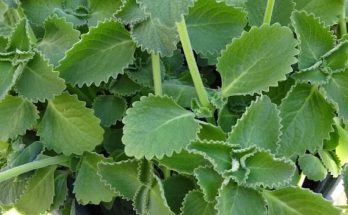
You’re more likely to encounter these clingy seeds in areas with tall grass, along hiking paths, near wooded zones, or in fields that aren’t frequently maintained. Some common plants known for producing these seeds include beggar’s lice, burdock, goosegrass (also called cleavers), and sandbur. Each of these has its own unique way of attaching to surfaces, but they all share the same goal of spreading as far as possible.
While these seeds are harmless, they can definitely be a bit inconvenient. Removing them doesn’t have to be difficult, though. A lint roller is often one of the easiest and quickest solutions. If you don’t have one on hand, adhesive tape can work just as well. For tougher burrs, a fine-tooth comb or even gently pulling them off by hand can do the trick. It’s usually best to remove them while still outdoors, so you don’t accidentally bring seeds into your home where they could spread further.
Afterward, washing your clothes helps get rid of any remaining pieces. If you were walking with a pet, it’s also a good idea to check their fur carefully, as these seeds can easily cling to animals too. Regular grooming after outdoor activities can help keep both your home and your pet comfortable.
Moments like this are a reminder that nature is full of small, clever adaptations that often go unnoticed. What might seem like a minor inconvenience is actually part of a highly effective natural system that has been refined over time. These tiny seeds are simply doing what they’re designed to do—travel, settle, and grow.
So the next time you spot those little clingy bits on your pant legs, you’ll know there’s a story behind them. It’s a small but interesting glimpse into how the natural world works, even in the most unexpected ways.