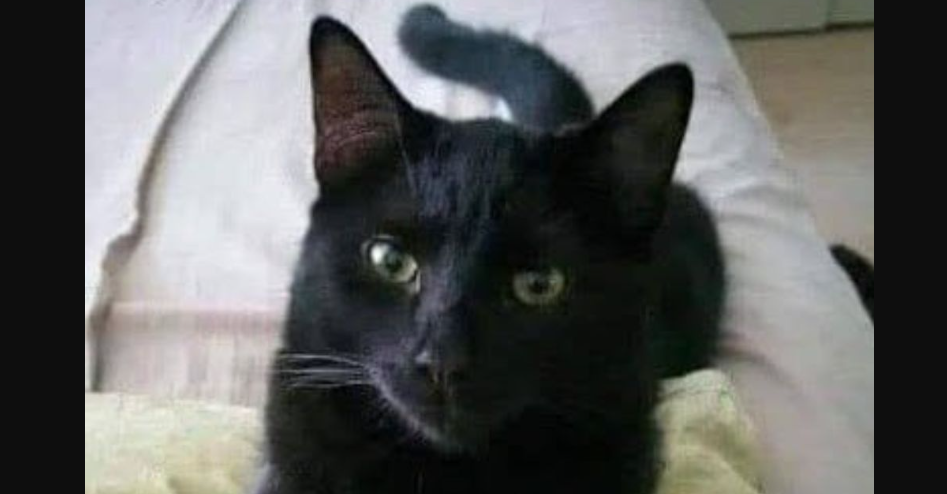
Have you ever noticed how a simple moment can suddenly feel meaningful? A quiet street. A calm afternoon. Then, without warning, a black cat appears and walks toward you. Whether it pauses to look at you or crosses your path with steady confidence, the encounter can feel symbolic — almost as if it carries a hidden message.
For centuries, black cats have occupied a unique space in human imagination. Their symbolism has shifted dramatically depending on time, geography, and cultural belief systems. While some traditions have framed them as cautionary signs, others have viewed them as powerful symbols of good fortune and protection. The meaning, more often than not, reflects human storytelling rather than the animal itself.
A History Shaped by Superstition
In medieval Europe, black cats were widely misunderstood. Their dark coats and natural ability to move quietly at night contributed to an air of mystery. During periods when superstition influenced daily life, this mystery sometimes turned into suspicion.
Folklore began linking black cats with witchcraft and the supernatural. Over time, these associations became deeply rooted in local traditions. While historians emphasize that these beliefs had no scientific foundation, they nonetheless shaped social attitudes for generations.
Interestingly, the consequences extended beyond folklore. In certain regions, widespread fear led to the removal of cats from towns and villages. With fewer natural predators, rodent populations increased. This imbalance affected sanitation and contributed to broader public health challenges. The episode serves as a reminder of how myths — even those centered on animals — can influence real-world outcomes.
A Very Different Perspective in Japan
In contrast to European superstition, black cats in Japan are often associated with positive symbolism. Within Japanese folklore, black cats are believed to attract good fortune and ward off negative influences. In some interpretations, they are especially linked to new beginnings and prosperous opportunities.
The cultural icon of the lucky cat, or maneki-neko, frequently appears in shops and homes as a symbol of welcoming abundance. While these figurines come in various colors, black versions are sometimes associated with protection and warding off misfortune. The symbolism reflects optimism rather than fear.
Guardians of the Sea in the United Kingdom
In certain coastal areas of the United Kingdom, black cats carried yet another meaning. Sailors and fishing communities viewed them as protective companions. Some believed a black cat on a ship ensured safe travel, while others felt that caring for one at home offered spiritual protection for loved ones at sea.
For families who depended on maritime livelihoods, symbols of safety held deep emotional value. In these communities, black cats represented reassurance during long and uncertain voyages.
Ancient Respect in Egypt
Going even further back in history, cats held a sacred place in ancient Egyptian society. Felines were associated with balance, grace, and domestic harmony. The goddess Bastet was often depicted with feline features and symbolized protection and nurturing energy.
Cats of all colors were respected, and harming one was considered a serious offense. Their presence in homes was thought to bring blessings and stability. This reverence highlights how cultural context can completely transform an animal’s symbolic meaning.
Modern Interpretations and Everyday Reality
In modern times, black cats often appear in seasonal imagery, especially during autumn celebrations. Popular culture frequently associates them with mystery themes, largely echoing older European folklore. Yet beyond symbolism, black cats are simply domestic animals with individual personalities.
Animal behavior experts explain that when a cat approaches a person, it is typically responding to subtle cues. Cats are highly perceptive to body language, tone of voice, scent, and movement. A relaxed stance or gentle demeanor can attract a curious cat, regardless of its coat color.
In other words, when a black cat walks toward you, it is likely motivated by curiosity, comfort, or familiarity — not by any mystical force. The meaning people attach to the moment often reflects personal beliefs, cultural background, or even mood at the time.
Why the Symbolism Endures
So why does the image of a black cat remain so powerful?
Part of the answer lies in storytelling. Humans naturally seek meaning in everyday events. A sudden encounter with an animal — especially one wrapped in centuries of folklore — can feel significant simply because of the narratives we have inherited.
Black cats also stand out visually. Their sleek, dark fur creates a striking silhouette, especially at dusk or under streetlights. That visual contrast may amplify the sense of mystery, even when the situation is entirely ordinary.
At the same time, many animal shelters today encourage adoption of black cats, noting that they are often overlooked due to lingering superstitions. Advocacy efforts emphasize that temperament and companionship have nothing to do with fur color.
A Moment of Reflection
When a black cat crosses your path or pauses to observe you, the moment can serve as a brief invitation to reflect. Not necessarily on fate or fortune, but on how stories shape perception.
Some may see a symbol of luck. Others may view it as coincidence. And many will simply see a curious animal exploring its surroundings.
Ultimately, the encounter means what you allow it to mean. The cat itself is simply living its life — moving through the world with instinct and independence.
Yet the enduring fascination reveals something meaningful about us. Our beliefs, traditions, and imagination color the way we interpret small, everyday experiences. A black cat walking toward you may not be delivering a message — but it may remind you how powerfully stories influence perspective.
And sometimes, that quiet reminder is meaningful enough on its own.