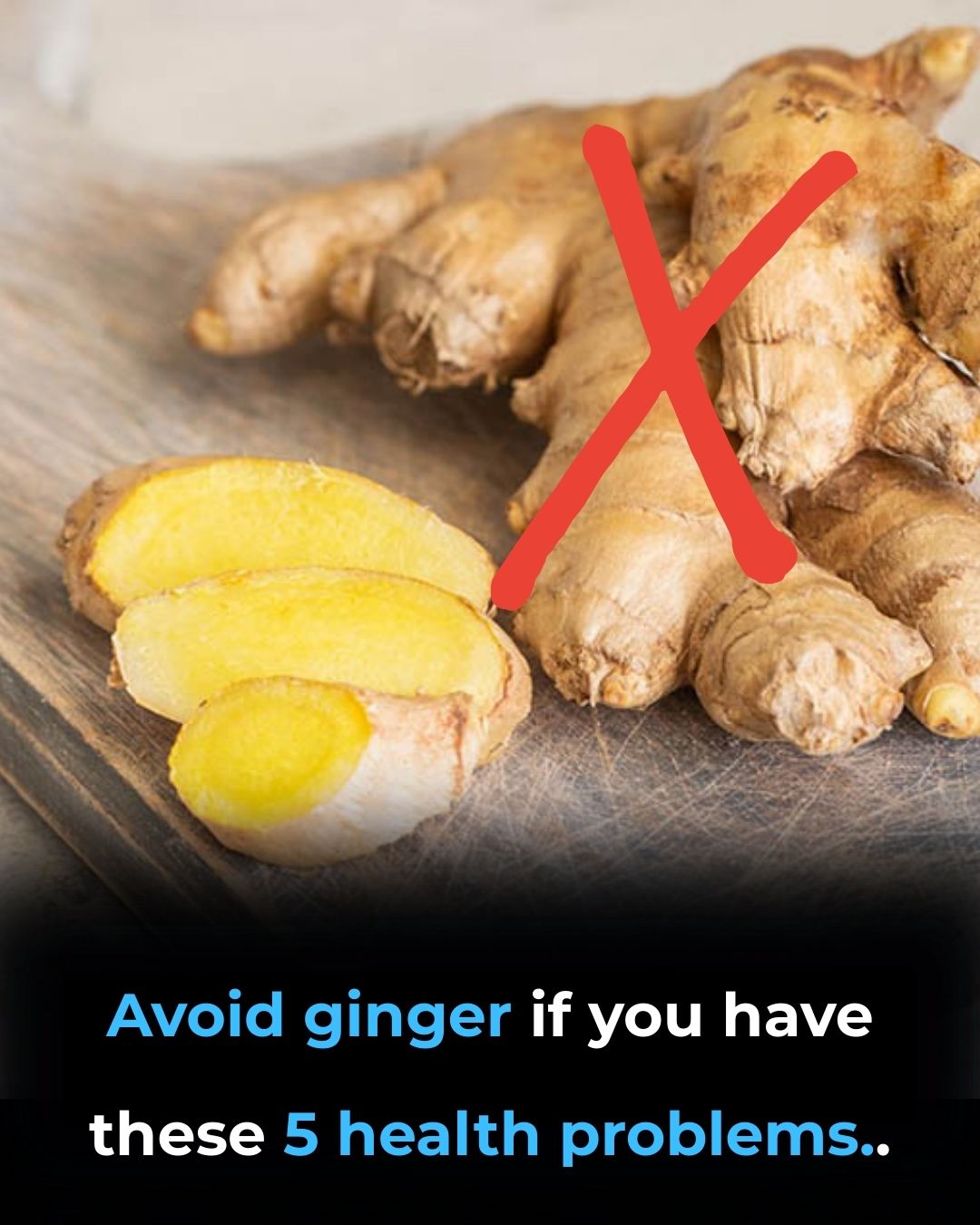
Ginger is one of the most widely used natural ingredients in the world. It has been valued for centuries for its potential health benefits and is commonly used to support digestion, reduce nausea, and help with inflammation. Many people enjoy ginger in tea, meals, or natural remedies because of its refreshing taste and traditional wellness uses.
For most healthy individuals, moderate amounts of ginger are considered safe. However, like many natural foods and herbs, ginger may not be suitable for everyone. In certain health situations, consuming large amounts could lead to unwanted effects or interact with medications.
Understanding when to limit ginger intake can help you make better choices for your health. Below are several situations where caution may be helpful.
People with Bleeding Disorders or Taking Blood Thinners
Ginger contains natural compounds that may affect the way blood clots. For healthy individuals, this effect is usually mild. However, people with bleeding disorders or those taking medications that thin the blood may need to be careful.
Large amounts of ginger consumed regularly may increase the chance of prolonged bleeding or bruising, especially when combined with medications designed to reduce clotting. In these situations, it is often recommended to discuss herbal use with a healthcare professional before making it part of a daily routine.
Some individuals prefer alternatives such as small amounts of turmeric in cooking or increasing foods rich in vitamin K, including leafy greens like spinach and kale.
People Managing Diabetes
Ginger has been studied for its potential ability to help support healthy blood sugar levels. While this may be beneficial for some individuals, people who already take medications to manage diabetes should be cautious about consuming large amounts.
In certain situations, combining herbal remedies with prescribed treatments could lead to blood sugar dropping lower than expected. Maintaining stable blood sugar levels is important, so it is helpful to monitor levels regularly and consult a healthcare provider before making dietary changes involving herbal ingredients.
Gentler options such as green tea or cinnamon tea are often enjoyed by people looking for warm beverages that complement a balanced diet.
People with Heart Conditions
Moderate amounts of ginger may support healthy circulation. However, consuming very large quantities could potentially interact with medications used to treat heart conditions.
Some individuals taking heart-related medications may be advised to limit strong herbal products because they could influence blood pressure or heart rhythm. Following medical guidance and maintaining a heart-healthy lifestyle is usually the safest approach.
A balanced diet that includes foods rich in omega-3 fatty acids, such as fish, walnuts, and flaxseeds, along with plenty of fruits and vegetables, can support overall cardiovascular health.
Pregnant Women in the Later Stages of Pregnancy
Ginger is sometimes used during early pregnancy to help reduce nausea. However, some healthcare professionals recommend avoiding high doses of ginger during the later stages of pregnancy.
Every pregnancy is unique, so it is important for expectant mothers to discuss herbal products and supplements with their healthcare provider before using them regularly. Safe dietary choices and gentle beverages are often the preferred approach during this time.
Warm lemon water or peppermint tea are commonly enjoyed options that may help promote comfort without strong herbal stimulation.
People with Gallbladder Problems or Stomach Ulcers
Ginger can stimulate digestive activity by increasing bile production and stomach acid. While this effect may help digestion for many people, those with gallbladder issues or stomach ulcers may experience irritation when consuming larger amounts.
Symptoms such as stomach discomfort, bloating, or nausea may occur if digestion becomes too stimulated. People with sensitive stomach conditions often benefit from choosing gentler digestive beverages and eating smaller meals throughout the day.
Chamomile tea and aloe vera juice in moderate amounts are often considered soothing choices for the digestive system.
Healthy Lifestyle Tips
Maintaining good health usually involves a balanced lifestyle rather than relying on a single food or ingredient. Eating a variety of fruits, vegetables, whole grains, and lean proteins can help support the body’s natural functions.
Staying hydrated, getting regular physical activity, and maintaining consistent sleep habits also contribute to overall wellness. Limiting excessive sugar, caffeine, and heavily processed foods may further support long-term health.
Ginger can still be a valuable part of a healthy diet for many people. The key is moderation and awareness of individual health conditions. When there are concerns about herbal ingredients or dietary changes, consulting a qualified healthcare professional is always the safest step.