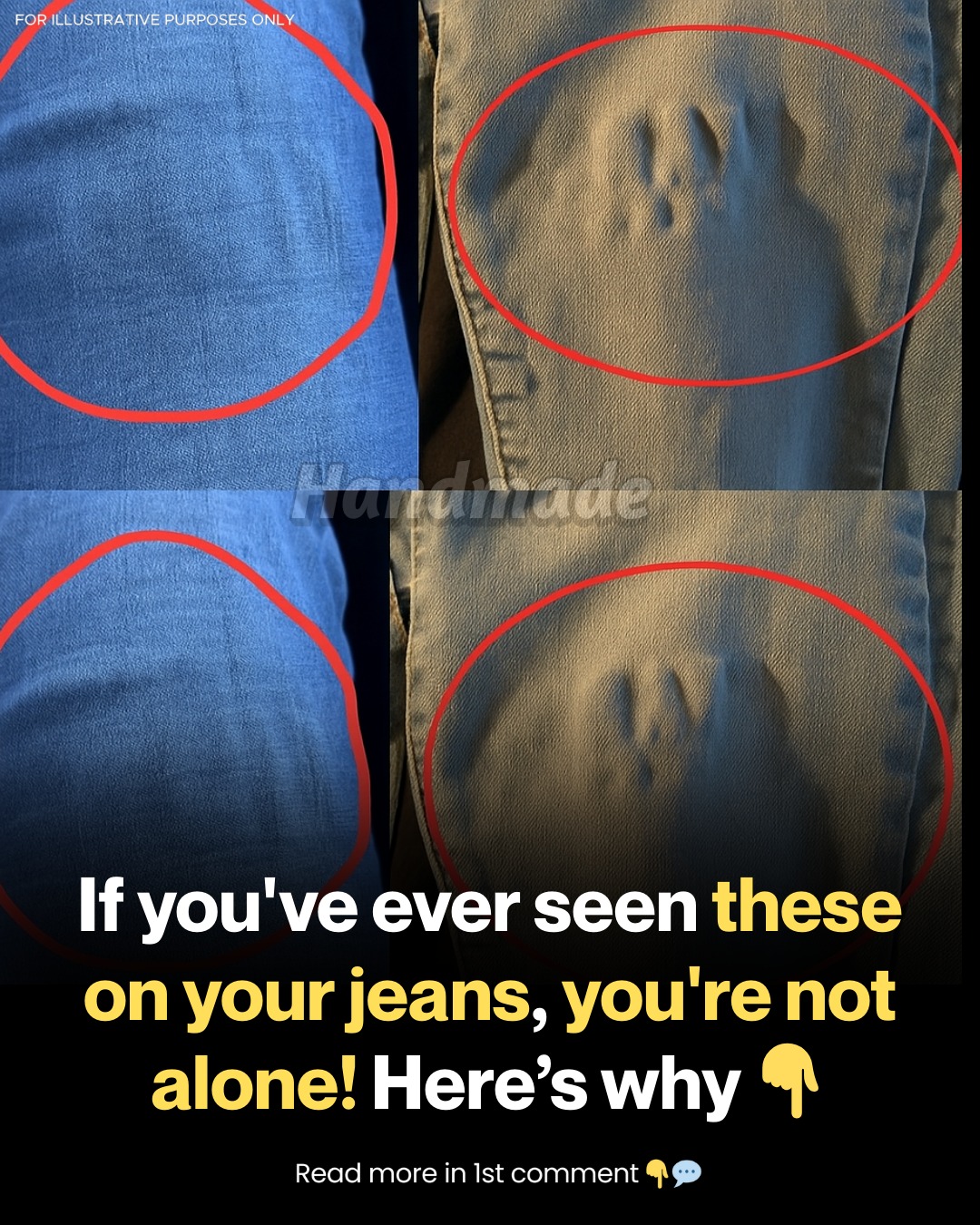
You pull your favorite jeans out of the washing machine, expecting them to look fresh and ready to wear—only to notice odd ripples, waves, or puckered areas across the fabric. It can be frustrating, especially when the denim used to look smooth and structured.
The good news is that ripples in jeans are common and usually preventable. With a few small changes to how you wash, dry, and store your denim, you can keep it looking its best for much longer.
Why Jeans Develop Ripples
Several everyday factors can cause denim to lose its smooth appearance over time.
Most modern jeans contain elastane or spandex to provide flexibility and comfort. While these fibers make denim easier to move in, they can gradually lose elasticity, especially in high-stress areas like the knees, thighs, and seat. When the fibers weaken, the fabric may stretch unevenly, leading to rippling.
Washing and drying habits also play a major role. Hot water, heavy spin cycles, and high dryer heat can be tough on denim. Heat can warp fibers and reduce elasticity, making ripples more noticeable. Over time, frequent machine drying can accelerate fabric distortion.
Fit and fabric quality matter as well. Very tight jeans stretch more during wear, which can strain the fibers. Lower-quality denim may lack the durability needed to hold its shape after repeated washes, increasing the likelihood of waves or bumps.
Even storage methods can contribute. Folding jeans tightly can create pressure points and deep creases. If stored that way consistently, those creases may begin to look like permanent ripples.
How to Prevent Ripples
Prevention is usually easier than repair. Denim does not need washing after every wear. If there are no visible stains or odors, airing them out is often enough. When washing is necessary, turn jeans inside out, use cold water, and select a gentle cycle. This helps protect the outer surface and preserve elasticity.
Avoid high heat whenever possible. Air-drying is one of the best ways to maintain shape. Hanging jeans by the waistband or laying them flat to dry helps prevent shrinking and fiber damage.
Using a mild detergent designed for dark or delicate fabrics can also help maintain fiber strength and reduce unnecessary wear.
For storage, consider hanging jeans on a pants hanger or draping them over a closet rod instead of folding them tightly. This reduces pressure marks and unwanted creasing.
How to Fix Jeans That Already Have Ripples
If ripples have already formed, there are still ways to improve their appearance.
A garment steamer can relax fibers and smooth out waves. If using an iron, choose a low-heat setting and place a thin cloth between the iron and the denim to protect the fabric.
You can also soak the jeans in lukewarm water for about 15 to 20 minutes. While they are still damp, gently smooth and reshape the affected areas by hand. Then lay them flat or hang them to air-dry, adjusting the fabric as it dries.
For persistent rippling caused by seam distortion, a professional tailor may be able to adjust the fit and restore a cleaner look.
When It May Be Time to Replace Them
If the elastic fibers have completely lost their resilience or the denim is thinning significantly, repairs may no longer be effective. In that case, investing in a new pair may be the better option. Look for durable stitching, quality denim fabric, and a moderate amount of stretch for longer-lasting wear.
Final Thoughts
Ripples in denim can be annoying, but they are rarely permanent if addressed early. With mindful washing, air-drying, and thoughtful storage, your jeans can stay smooth and comfortable for years to come. Small care adjustments can make a noticeable difference in how your favorite pair looks and feels after every wash.