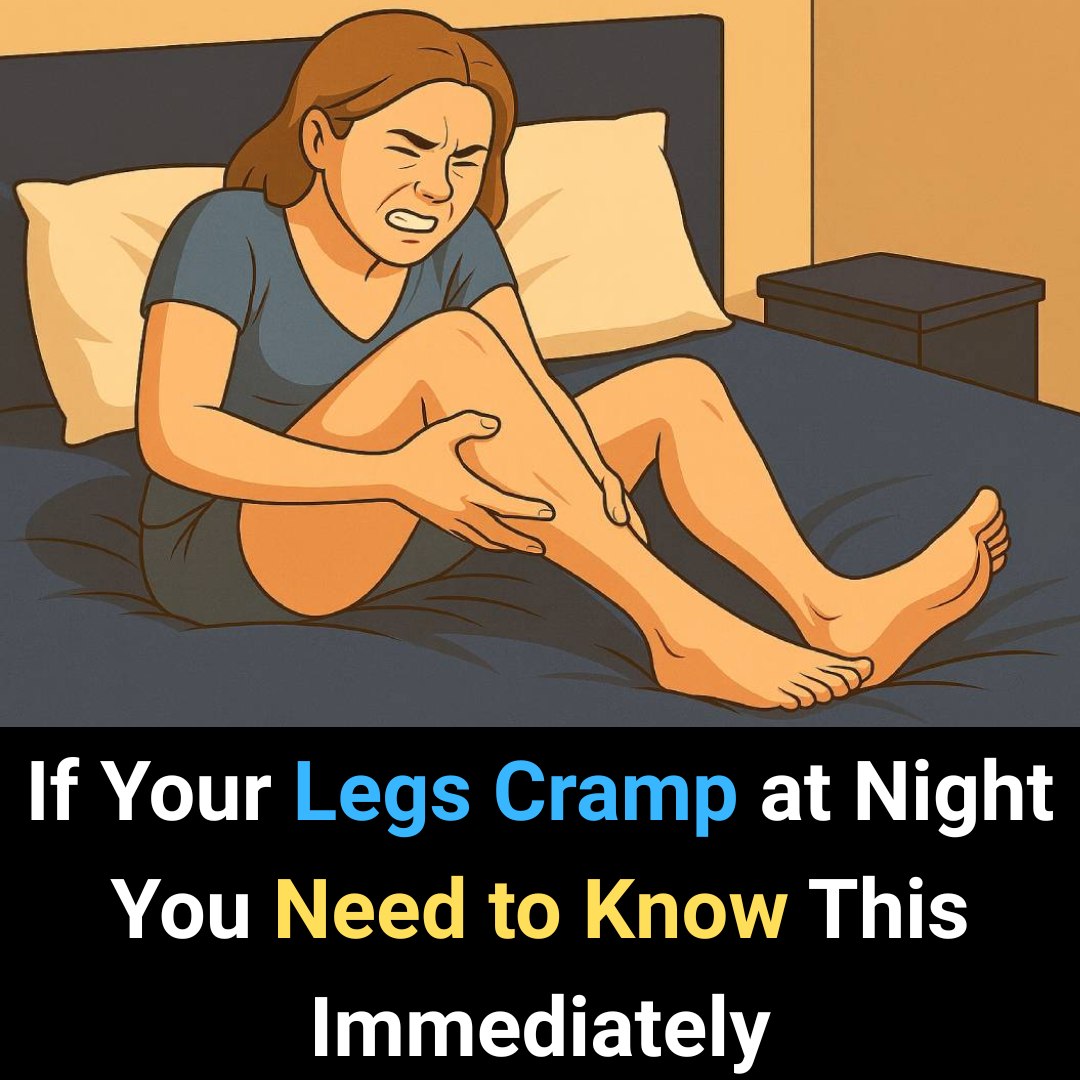
Waking up suddenly with a painful cramp in your leg can be frustrating and uncomfortable. Nighttime leg cramps are a common experience for many people and can interrupt otherwise restful sleep. These sudden muscle contractions usually occur in the calf, foot, or thigh and may last from a few seconds to several minutes.
Understanding what may trigger these cramps can help you take steps to reduce how often they happen.
One possible reason for nighttime leg cramps is dehydration. When the body does not have enough fluids, muscles may become more sensitive and more likely to contract unexpectedly. This can be especially common for people who exercise frequently, spend time in warm environments, or simply do not drink enough water throughout the day. Staying properly hydrated may help support normal muscle function.
Another factor that may contribute to leg cramps is an imbalance of electrolytes. Minerals such as potassium, magnesium, calcium, and sodium play an important role in how muscles contract and relax. When these minerals fall out of balance, muscles may react with sudden tightening or spasms. Eating a varied diet that includes fruits, vegetables, dairy products, and nuts can help support balanced nutrient levels.
Circulation may also play a role. When blood flow to the legs is reduced, muscles may not receive enough oxygen and nutrients. This can sometimes lead to cramping. Sitting for long periods or certain circulation-related conditions may contribute to this issue. Gentle movement, stretching, and regular physical activity can help encourage healthy blood flow.
In some situations, frequent leg cramps may be linked to other health factors. Conditions involving nerve pressure, blood sugar regulation, or thyroid function can sometimes contribute to muscle discomfort. If cramps are severe, occur very often, or appear alongside symptoms such as swelling, numbness, or muscle weakness, it may be helpful to speak with a qualified healthcare professional.
Fortunately, several simple habits may help reduce nighttime cramps. Light stretching before bed can relax tight muscles and improve flexibility. Some people also find relief by gently massaging the affected muscle when a cramp occurs. Applying a warm towel or heating pad may help the muscle relax, while a cool compress may soothe soreness afterward.
Maintaining healthy daily routines can also make a difference. Regular exercise, balanced nutrition, and proper hydration support overall muscle health. Limiting excessive caffeine or alcohol intake may also help, as both can contribute to dehydration for some individuals.
Nighttime leg cramps are common, but understanding the possible causes can make them easier to manage. With small lifestyle adjustments and healthy habits, many people find that cramps occur less frequently and sleep becomes more comfortable. If symptoms continue or worsen over time, seeking medical guidance can help identify the underlying cause and provide appropriate care.