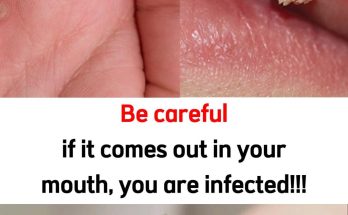
Listening to your body is one of the most important steps you can take to protect your health. Every day, your body sends signals—some subtle, others more noticeable—that may point to changes worth paying attention to.
Not every unusual symptom means something serious. However, recognizing patterns and seeking medical advice when needed can make a meaningful difference.
This article is for informational purposes only and does not replace professional medical advice. Always consult a qualified healthcare provider regarding concerns about your health.
1. Unusual Crawling or Tingling in the Legs
If you frequently experience crawling, tingling, or creeping sensations in your legs—especially in the evening or while resting—it may be related to restless leg syndrome (RLS).
Many people describe an intense urge to move their legs to relieve discomfort. While the exact cause isn’t always clear, factors such as low iron levels, certain medications, or neurological conditions can play a role.
If the sensation disrupts your sleep or daily life, consider speaking with a healthcare professional.
2. Persistent Muscle Twitches
Occasional muscle twitches are common and often harmless. They may be linked to stress, fatigue, dehydration, or excess caffeine.
However, if twitching becomes frequent, widespread, or is accompanied by muscle weakness, it’s important to seek medical advice. Improving hydration, sleep habits, and stress management may help reduce minor episodes.
3. A White or Cloudy Pupil
If one pupil appears white or cloudy instead of black—sometimes noticeable in photos—it could signal an underlying eye condition.
This change, sometimes referred to medically as leukocoria, should always be evaluated promptly by an eye specialist. Early assessment can help protect vision and address potential causes.
4. Fingers Turning White or Blue in the Cold
If your fingers or toes turn white, pale, or bluish when exposed to cold temperatures or stress, it may indicate Raynaud’s phenomenon.
This occurs when small blood vessels temporarily narrow, reducing blood flow to extremities. Mild cases are common, but persistent or severe symptoms should be discussed with a healthcare provider to rule out related conditions.
5. Sudden Facial Puffiness
Facial swelling can result from allergies, fluid retention, infections, or other causes. Mild puffiness after sleep may be harmless.
However, sudden, unexplained, or recurring facial swelling deserves attention—especially if it affects breathing or involves the throat. Seek immediate medical care in urgent situations.
6. A White-Coated Tongue
A white coating on the tongue can develop due to dry mouth, irritation, poor oral hygiene, or fungal overgrowth.
Improving oral care habits often helps. If the condition persists, causes discomfort, or includes additional symptoms, consult a dentist or healthcare provider.
7. Small, Hard Pellet-Like Stools
Stool that appears as small, hard pellets may be a sign of constipation. Common causes include low fiber intake, dehydration, stress, certain medications, or lack of physical activity.
Increasing water intake, dietary fiber, and regular movement can often improve symptoms. Ongoing issues should be discussed with a healthcare professional.
8. Pale or White Nails
Changes in nail color may reflect underlying health conditions. Pale nails can sometimes be associated with anemia or nutrient deficiencies.
If nail discoloration persists or worsens, a medical evaluation—including simple blood tests—can help determine the cause.
9. Frequent Numbness or Tingling
Occasional numbness from sitting awkwardly is normal. But repeated numbness, tingling, or “pins and needles” sensations without a clear cause may point to nerve or circulation issues.
If symptoms are ongoing or worsening, medical evaluation is recommended.
10. Ongoing Fatigue Without Clear Cause
Everyone feels tired from time to time. But persistent fatigue that doesn’t improve with rest may signal underlying health concerns such as hormonal imbalances, sleep disorders, or nutritional deficiencies.
If exhaustion becomes chronic or interferes with daily life, consider speaking with your healthcare provider.
Final Thoughts
Your body often communicates through subtle changes before bigger problems arise. Staying aware, maintaining regular checkups, and addressing unusual symptoms early can support long-term well-being.
When in doubt, trust your instincts and consult a qualified medical professional. Early attention can make all the difference.