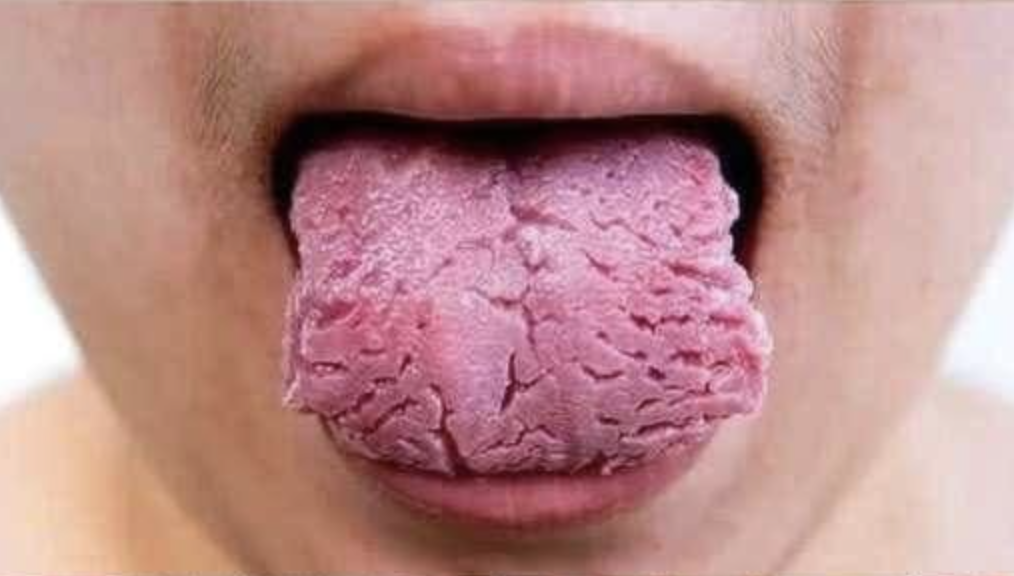
Many people notice small changes in their bodies as they get older, especially first thing in the morning. One change that often raises questions is a tongue that appears pale or coated with a white film. At first, it may seem unimportant—perhaps caused by sleep, dry air, or something eaten the night before. However, the tongue can reflect everyday habits and subtle changes in overall well-being.
For adults over 60, paying attention to minor physical signs becomes increasingly valuable. The tongue can offer clues related to hydration, oral care, daily routines, and even the effects of common medications. While many causes are simple and temporary, understanding them helps support comfort, confidence, and long-term wellness.
A healthy tongue is usually pink, slightly moist, and free from thick buildup. When a white coating appears, it often signals that something in daily care or lifestyle may need adjustment.
Below are some of the most common reasons a white tongue appears in older adults and what may help improve it.
Oral Hygiene and Daily Care
One of the most frequent causes of a white tongue is incomplete oral hygiene. As people age, brushing and flossing may become more challenging due to sensitive gums, dentures, or limited hand mobility. The tongue is often overlooked during routine mouth care, allowing debris and bacteria to accumulate.
The surface of the tongue has small grooves that easily trap particles. When saliva flow decreases—a common change with age or medication use—this buildup becomes more noticeable, particularly toward the back of the tongue.
Gently cleaning the tongue with a soft toothbrush or tongue cleaner can help remove residue without irritation. Rinsing the mouth after meals and maintaining regular dental visits also support overall oral comfort.
Hydration and Moisture Balance
Dehydration is another common contributor to a white tongue, especially among older adults. The natural sense of thirst may weaken with age, and certain medications can further reduce saliva production.
When the mouth becomes dry, it loses its ability to naturally cleanse itself. This can lead to a coated appearance, dry sensations, or changes in breath. Drinking water consistently throughout the day supports saliva flow and helps keep the tongue clean.
Adequate hydration also benefits digestion, circulation, joint comfort, and mental clarity, making it an important daily habit.
Dry Mouth and Medication Side Effects
Many adults take multiple medications, and dry mouth is a frequent side effect of common treatments such as those for blood pressure, allergies, mood balance, or sleep support.
Ongoing dryness allows bacteria to build up more easily on the tongue, leading to discoloration and changes in taste. Managing this may involve increasing fluid intake, using sugar-free lozenges to stimulate saliva, or discussing options with a healthcare provider.
Simple adjustments, such as breathing through the nose during sleep instead of the mouth, may also help reduce overnight dryness.
Diet and Lifestyle Habits
Daily food and lifestyle choices influence oral health more than many people realize. Diets high in sugar can encourage buildup, while smoking and frequent alcohol use may dry and irritate mouth tissues.
Balanced meals that include fruits, vegetables, and fiber support natural saliva production. Limiting sugary snacks and acidic drinks helps protect both the tongue and teeth.
Sleeping with the mouth open can also dry the tongue overnight. Addressing nasal congestion or adjusting sleep position may reduce morning dryness.
When to Consider Professional Guidance
A white tongue that improves with better hydration and oral care is usually not a cause for concern. However, if the coating persists for several weeks, causes discomfort, or is accompanied by soreness or swallowing difficulty, it may be helpful to seek professional advice.
Early attention often prevents minor issues from becoming more bothersome, especially as the body changes with age.
Listening to Small Signals
Aging brings experience, adaptability, and a stronger awareness of one’s body. It also encourages attentiveness to subtle changes.
A white tongue may simply be a reminder to drink more water, improve oral hygiene, review daily habits, or seek guidance when needed. Small adjustments can lead to noticeable improvements in comfort and confidence.
Sometimes, the body communicates quietly—and paying attention to those signals can make a meaningful difference in everyday well-being.