Noticing an unusual skin change on your child’s ear can be unsettling, especially when medical appointments aren’t immediately available. Many parents experience worry about what might be causing the irritation, how uncomfortable it may be, and whether it needs quick attention. This guide offers calm, practical advice to help you support your child at home while preparing for a professional evaluation.
What Atopic Dermatitis Is — And Why It Often Appears Around the Ears
Atopic dermatitis, often known as eczema, is one of the most common skin concerns among children. It usually shows up as red, itchy, or dry patches that can become irritated over time. The ears are especially sensitive since they’re exposed to weather, hair products, accessories, and frequent touching. Understanding this common condition can help parents feel more prepared when changes appear.
Signs to Look For on Your Child’s Ear
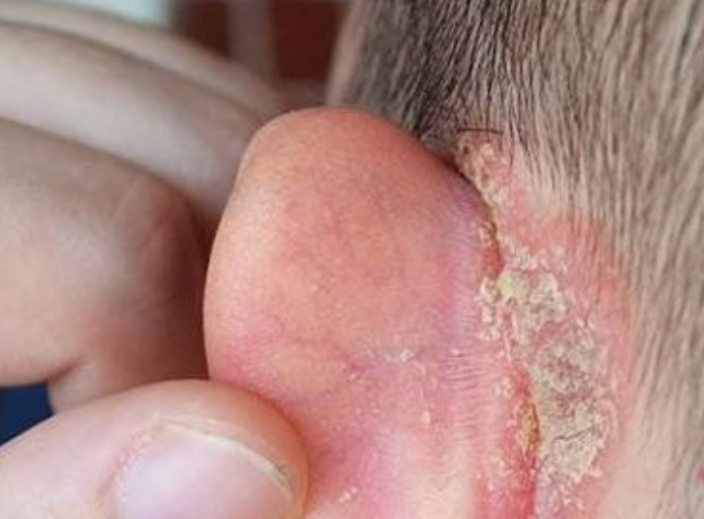
Paying close attention to the affected area can reveal helpful details. Some signs include:
-
Redness or irritation that spreads beyond a small spot
-
Swelling around or behind the ear
-
Dry, flaky, or rough patches
-
Tiny bumps or thickened skin
-
Noticeable itching or frequent scratching
If the skin appears unusually warm, shows yellow crusting, or starts oozing, it may indicate the need for quicker medical attention.
Simple Ways to Soothe Discomfort at Home
Start with gentle care. Wash the area with lukewarm water and a mild, fragrance-free cleanser, then pat dry with a soft towel. A cool, damp cloth placed on the ear for several minutes can help calm irritation. If your child tends to scratch, offering distractions or lightly covering the area with breathable cotton can help protect the skin.
Helpful Home Care Products and Over-the-Counter Options
Moisturizing regularly is one of the easiest ways to support delicate skin. Fragrance-free creams with ceramides, glycerin, or colloidal oatmeal are commonly recommended for sensitive areas. Parents sometimes find that small amounts of pure coconut oil or aloe vera gel offer extra comfort. Always test a new product on a small patch of skin first to make sure it’s well tolerated.
Many families also use mild, lower-strength over-the-counter creams according to package directions to reduce irritation temporarily. If you choose to use one, apply only a thin layer and follow the instructions carefully.
When It’s Time to Call a Doctor
Some symptoms suggest it’s best to contact your child’s healthcare provider. These include:
-
Pain that increases
-
Redness that spreads quickly
-
Warm or swollen skin
-
Yellow or green discharge
-
Fever or swollen glands
-
Symptoms that disrupt sleep or daily comfort
Trust your instincts — if something feels unusual or worsens quickly, a professional evaluation is important.
How to Prepare for the Appointment
A little preparation makes the visit more helpful. Keep notes about when the symptoms began, what seems to trigger them, and which home treatments offered relief. Clear photos taken over several days can help the doctor understand how the skin has changed. Bringing a list of soaps, detergents, hair products, or new foods used recently can also provide valuable insight.
Daily Habits That Help Protect Ear Skin
Small, consistent routines make a big difference. Choose gentle cleansers labeled for sensitive skin, moisturize right after bathing, and stick to breathable materials like cotton. Keeping your child’s nails short helps prevent accidental scratching, and soft mittens at bedtime may reduce irritation during sleep.
Moving Forward with Peace of Mind
Discovering changes on your child’s ear can naturally cause concern, but understanding the basics and taking gentle, proactive steps can ease the worry. With attentive home care, awareness of warning signs, and good communication with your healthcare provider, you’ll be well prepared to support your child’s comfort and overall skin health. Consistent habits and calm observation help keep delicate ear skin healthy and protected.