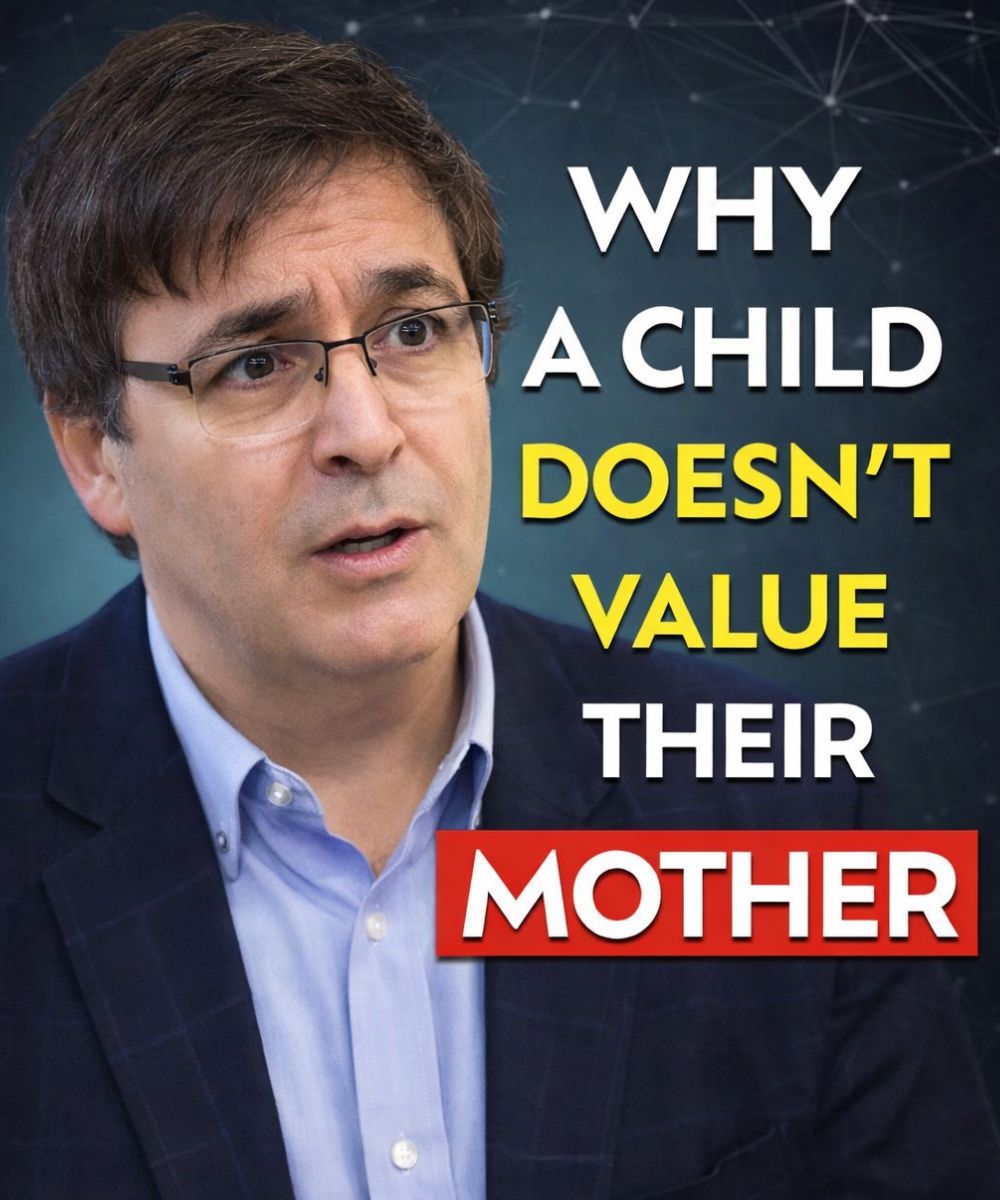
There is a quiet pain many mothers carry—one that leaves no visible scars and is rarely spoken about. It is the heartbreak of feeling emotionally distant from a child they have loved, supported, and sacrificed for over many years.
This distance is rarely caused by cruelty or intentional neglect. In most cases, it develops slowly through complex psychological processes that shape how children grow, protect themselves, and define their identities. Understanding these reasons does not erase the hurt, but it can ease self-blame and open the door to healing.
1. Constant Love Becomes Invisible
The human brain is designed to notice change, not consistency. When something is always present and dependable, it often fades into the background of awareness. A mother’s steady love may go unnoticed precisely because it never fails.
Just as we don’t think about air until we struggle to breathe, children may unconsciously take a mother’s support for granted—not because it lacks value, but because it feels guaranteed.
2. Emotional Distance as a Step Toward Independence
To grow into their own person, a child must psychologically separate from their parents. This process—known as individuation—involves questioning, disagreement, and emotional distance.
What feels like personal growth to a child can feel like rejection to a mother. In many cases, love hasn’t disappeared; it’s simply being reshaped as the child tries to define who they are outside the family role.
3. Releasing Pain Where It Feels Safest
Children often express their deepest frustration, anger, or confusion toward the person they trust the most. Because a mother represents unconditional acceptance, she becomes the safest place for emotional release.
This can lead to a painful pattern where a child appears kind and calm in public but distant or harsh at home. While this behavior is not healthy, it often reflects inner struggle rather than a lack of love.
4. Losing the Self Behind the Role of “Mother”
Some mothers give so much that they slowly disappear behind their responsibilities. Their needs go unspoken, their boundaries fade, and their identity becomes centered entirely on caregiving.
When children grow up seeing a mother who never expresses needs of her own, they may unconsciously assume she doesn’t have any. Modeling self-respect, balance, and personal identity is just as important as providing care.
5. Feeling Overwhelmed by Emotional Obligation
When love feels rooted in sacrifice, some children experience guilt rather than gratitude. The sense of an emotional debt they can never repay becomes overwhelming.
To escape that pressure, they may minimize what they received or emotionally pull away. This distance is not rejection of love—but an attempt to avoid feeling trapped by it.
6. A Culture Focused on the Individual
Modern society places strong emphasis on personal fulfillment, speed, and constant stimulation. Quiet, enduring relationships often struggle for attention in such an environment.
Maternal love—steady and predictable—may be overshadowed by louder demands of modern life. This doesn’t reduce its importance, but it can push it into the background.
7. Unhealed Emotional Patterns Passed Forward
Many mothers were once daughters who felt unseen or emotionally unsupported. When they become parents, they may unconsciously try to heal those wounds through their children.
If a mother’s emotional well-being becomes too closely tied to her child, the child may sense that responsibility and pull away—not out of cruelty, but self-preservation.
Gentle Reflections for Healing
-
Your worth does not depend on your child’s emotional response
-
Allow yourself to express needs, limits, and exhaustion
-
Separate your identity from the role of motherhood
-
Build interests, goals, and relationships beyond parenting
-
If emotional pain feels overwhelming, professional support can be a powerful step forward
A child’s emotional distance does not erase the love a mother has given, nor does it diminish her value. Often, it reflects inner struggles, growth, or unspoken emotional patterns rather than rejection. Understanding this truth can soften self-blame and create space for compassion—both for your child and for yourself.