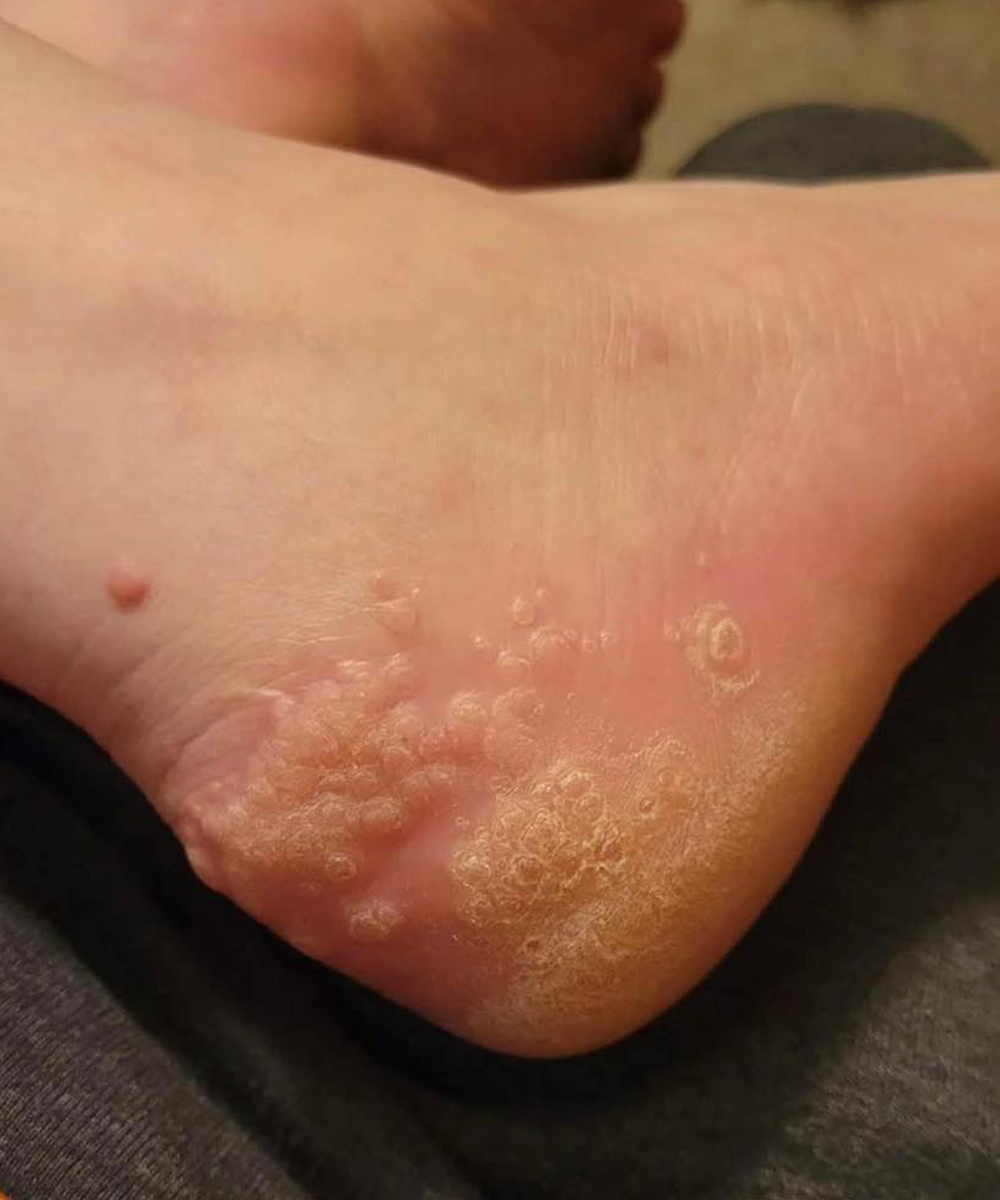
Have you ever worn a pair of second-hand shoes and later noticed a small yellow bump on your toe? It can feel uncomfortable and even a little concerning at first, but in many cases it’s not serious. Most often, this type of bump is a corn or callus, which forms when the skin thickens to protect itself from repeated friction or pressure.
A corn or callus develops as the body’s natural response to irritation. The yellowish color usually comes from a buildup of hardened skin cells, known as keratin. These areas tend to feel firm and may be sensitive when pressed, especially if a small central core forms. Some people describe the sensation as feeling like there is a tiny pebble inside the shoe.
Used shoes are a common trigger because they are already molded to someone else’s feet. Over time, footwear adapts to the original wearer’s foot shape, creating pressure points, worn areas, or stiff seams that may not match the structure of a new wearer’s toes. This mismatch can cause ongoing rubbing or squeezing, particularly around the big toe or little toe, prompting the skin to thicken in self-defense.
In some cases, other conditions may be involved. Strong friction can lead to blisters, which may appear yellowish if irritation increases. Shoes previously worn by others can also carry fungi, which tend to cause itching, peeling skin, redness, or nail discoloration rather than a firm bump. However, these situations are less common than simple corns or calluses.
Second-hand shoes often pose more challenges than new ones because they already have uneven wear patterns and reduced cushioning. If they haven’t been properly cleaned, they may also retain moisture, bacteria, or fungi, which can increase the risk of irritation. Even well-made shoes can become uncomfortable when their structure no longer supports a new foot correctly.
Most yellow bumps improve with basic home care. Stopping the use of the shoes that caused the irritation is often the most important step. Switching to footwear with a wider toe box and better cushioning can relieve pressure. Soaking the feet in warm water for ten to twenty minutes can soften the skin, making it easier to gently smooth thickened areas with a pumice stone. Moisturizing creams, especially those containing urea, can help soften hardened skin over time. Over-the-counter treatments designed for corns may also be useful when used carefully.
It’s important not to cut or shave the skin yourself. If the area becomes painful, red, swollen, produces discharge, or does not improve after a couple of weeks, consulting a foot care professional is a safe option. They can treat the area properly and check for underlying issues such as foot structure problems.
To reduce the risk of future problems, second-hand shoes should always be cleaned and disinfected thoroughly before wearing. Using antifungal sprays, wearing socks, and breaking shoes in gradually can help minimize friction and moisture. Choosing breathable materials and the correct size also plays a key role in foot comfort.
That small yellow bump is often your skin’s way of signaling that something isn’t quite right with your footwear. Paying attention to fit, hygiene, and comfort usually resolves the issue quickly and helps keep your feet healthy in the long run.