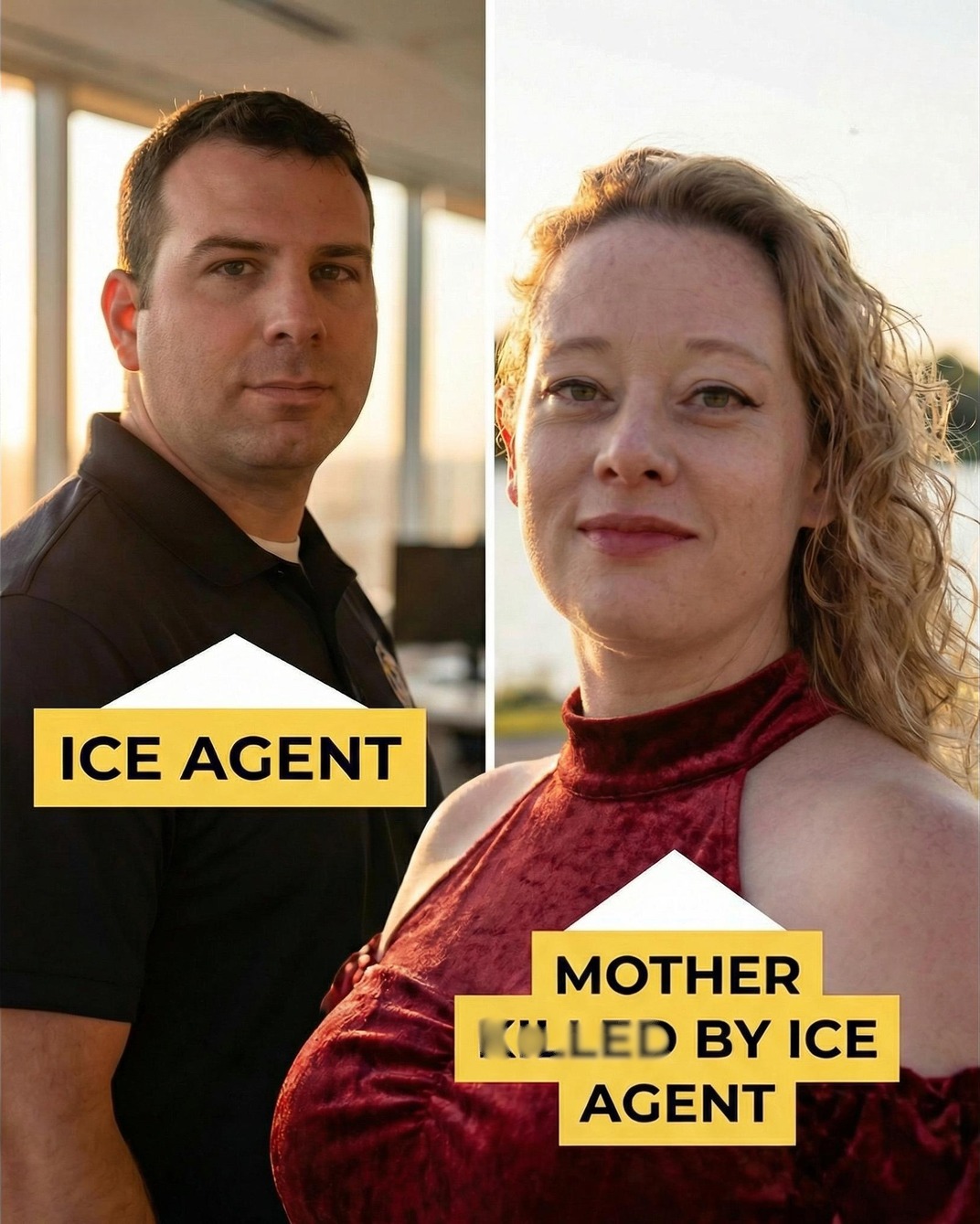
Federal authorities have identified the U.S. Immigration and Customs Enforcement (ICE) officer involved in a January incident in Minneapolis that resulted in the death of local resident Renee Nicole Good. According to court records, the officer has been identified as Jonathan E. Ross, a longtime member of ICE’s Enforcement and Removal Operations division. While officials initially declined to release the officer’s name, media outlets later confirmed his identity through publicly available records.
The identification has renewed attention on both the Minneapolis incident and a separate law enforcement event involving Ross in 2025. National leaders, including U.S. Vice President JD Vance, have commented publicly, urging careful review of the officer’s professional background and prior experiences as investigations continue.
Reports indicate that Ross has served with ICE for approximately ten years. In June 2025, he was involved in a Minnesota arrest operation that escalated unexpectedly and resulted in injuries requiring medical treatment. The individual involved in that case was later convicted in federal court, and the incident became part of official Department of Homeland Security records. Vice President Vance later referenced this earlier event when discussing the Minneapolis case, noting that prior experiences can be a factor considered during reviews of law enforcement actions.
The January incident occurred during a targeted ICE operation in the Powderhorn Park neighborhood of Minneapolis. Federal officials stated that officers encountered a rapidly evolving situation that led to a defensive response. Community members, however, described confusion and concern as events unfolded. Video shared online showed a significant law enforcement presence in the area following the incident. Local officials, faith leaders, and community advocates gathered at the scene in the hours afterward, calling for transparency and clear communication.
Authorities have stated that an internal review is ongoing, while community members and advocacy groups have called for independent oversight. City leaders emphasized the importance of maintaining public trust as the investigation proceeds.
Renee Nicole Good was later identified by family members as the woman who died in the incident. Friends and neighbors remembered her as a compassionate and creative individual who was deeply connected to her community. Good was known for her work as a writer, poet, and musician, and had received recognition for her creative writing during her university years. She lived near the location of the incident and was raising a young child.
In the days following her death, vigils and memorial gatherings were held throughout the neighborhood, with residents coming together to support the family and honor her life. As official reviews continue, the community remains focused on remembrance, healing, and seeking clarity about what occurred. The case continues to play a role in broader discussions about federal law enforcement practices, accountability, and community relations.