Federal Officer Identified Following Minneapolis Incident Involving Renee Good
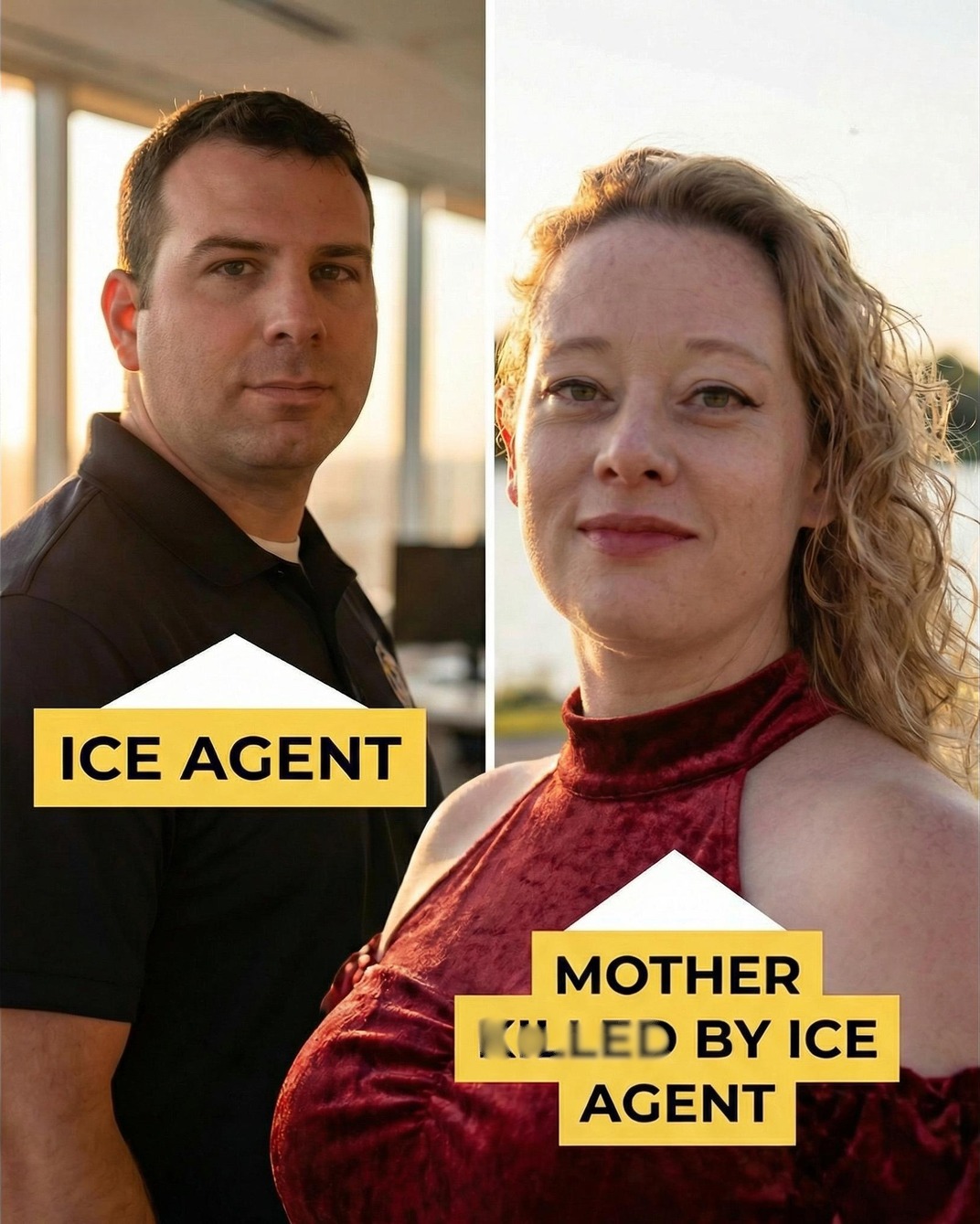
Federal authorities have identified the U.S. Immigration and Customs Enforcement (ICE) officer involved in a January incident in Minneapolis that resulted in the death of local resident Renee Nicole Good. According to court records, the officer has been identified as Jonathan E. Ross, a longtime member of ICE's Enforcement and Removal Operations division. While officials initially declined to release the officer's name, media outlets later confirmed his identity through publicly available records.
The case has become one of the most closely watched law enforcement incidents in recent Minnesota history, raising difficult questions about federal operations in local communities, the use of force, and who gets to investigate when things go wrong.
Who Is Jonathan E. Ross?
Reports indicate that Ross has served with ICE for approximately ten years within the Enforcement and Removal Operations division, the branch responsible for locating and apprehending individuals targeted for immigration enforcement.
The identification has renewed attention on both the Minneapolis incident and a separate law enforcement event involving Ross in 2025. In June 2025, he was involved in a Minnesota arrest operation that escalated unexpectedly and resulted in injuries requiring medical treatment. The individual involved in that case was later convicted in federal court, and the incident became part of official Department of Homeland Security records.
National leaders, including U.S. Vice President JD Vance, have commented publicly, urging careful review of the officer's professional background and prior experiences as investigations continue. Vice President Vance later referenced this earlier event when discussing the Minneapolis case, noting that prior experiences can be a factor considered during reviews of law enforcement actions.
An officer's history matters in use of force reviews because investigators examine patterns: training records, prior incidents, and whether earlier events shaped the officer's perceptions in the later encounter. It does not predetermine the outcome of any review, but it is standard for it to be part of the file.
What Happened in January
The January incident occurred during a targeted ICE operation in the Powderhorn Park neighborhood of Minneapolis. Federal officials stated that officers encountered a rapidly evolving situation that led to a defensive response. Community members, however, described confusion and concern as events unfolded. Video shared online showed a significant law enforcement presence in the area following the incident.
Renee Nicole Good was later identified by family members as the woman who died in the incident. Friends and neighbors remembered her as a compassionate and creative individual who was deeply connected to her community. Good was known for her work as a writer, poet, and musician, and had received recognition for her creative writing during her university years. She lived near the location of the incident and was raising a young child.
In the days following her death, vigils and memorial gatherings were held throughout the neighborhood, with residents coming together to support the family and honor her life. Local officials, faith leaders, and community advocates gathered at the scene in the hours afterward, calling for transparency and clear communication.
The Investigation and Questions of Oversight
Authorities have stated that an internal review is ongoing, while community members and advocacy groups have called for independent oversight. City leaders emphasized the importance of maintaining public trust as the investigation proceeds.
Cases like this one highlight a structural tension in American law enforcement. When a federal officer is involved in a fatal incident, the investigation typically runs through federal channels, which can limit the role of state and local investigators. Community advocates argue that independent review is essential for public confidence, particularly when the community most affected has no direct authority over the agency involved.
Standard elements of such reviews generally include:
- Analysis of video evidence from body cameras, surveillance, and bystander footage
- Interviews with involved officers and civilian witnesses
- Review of the officer's training and disciplinary history
- Examination of whether the operation followed agency policy
- Determination of whether the use of force met legal standards
Each of these steps takes time, and the gap between the incident and any public findings is often where community frustration grows.
A Community in Mourning
As official reviews continue, the community remains focused on remembrance, healing, and seeking clarity about what occurred. The vigils in Powderhorn Park were not only expressions of grief but also statements of community identity: neighbors showing up for one of their own, and for her young child.
Good's background as a writer, poet, and musician has shaped how she is remembered. Creative communities in Minneapolis have organized readings and memorial events, celebrating the artistic life she built. For those who knew her, the loss is personal before it is political.
The Broader Conversation
The case continues to play a role in broader discussions about federal law enforcement practices, accountability, and community relations. At the heart of those discussions are questions with no easy answers.
How should federal immigration enforcement operate in residential neighborhoods? What level of transparency should the public expect when operations turn deadly? Who investigates the investigators, and does the current system inspire confidence in the communities most affected?
These questions extend far beyond Minneapolis. Similar debates have followed federal operations in cities across the country, and the answers will shape the relationship between federal agencies and local communities for years to come.
Frequently Asked Questions
Who was the officer involved in the Minneapolis incident?
According to court records confirmed by media outlets, the officer was identified as Jonathan E. Ross, a longtime member of ICE's Enforcement and Removal Operations division with approximately ten years of service.
Who was Renee Nicole Good?
A Minneapolis resident remembered by friends and neighbors as a compassionate, creative person. She was known for her work as a writer, poet, and musician, had received recognition for creative writing in university, lived near the incident location, and was raising a young child.
What happened during the January incident?
The incident occurred during a targeted ICE operation in the Powderhorn Park neighborhood. Federal officials described a rapidly evolving situation leading to a defensive response. Good died as a result of the encounter.
What is the status of the investigation?
Authorities have stated that an internal review is ongoing. Community members and advocacy groups have called for independent oversight, and city leaders have emphasized maintaining public trust.
Why does the officer's prior 2025 incident matter?
In June 2025, Ross was involved in a Minnesota arrest operation that escalated and resulted in injuries requiring medical treatment. Use of force reviews routinely consider an officer's professional background and prior experiences.
How has the community responded?
With vigils, memorial gatherings, and calls for transparency from local officials, faith leaders, and community advocates, alongside ongoing efforts to support Good's family.