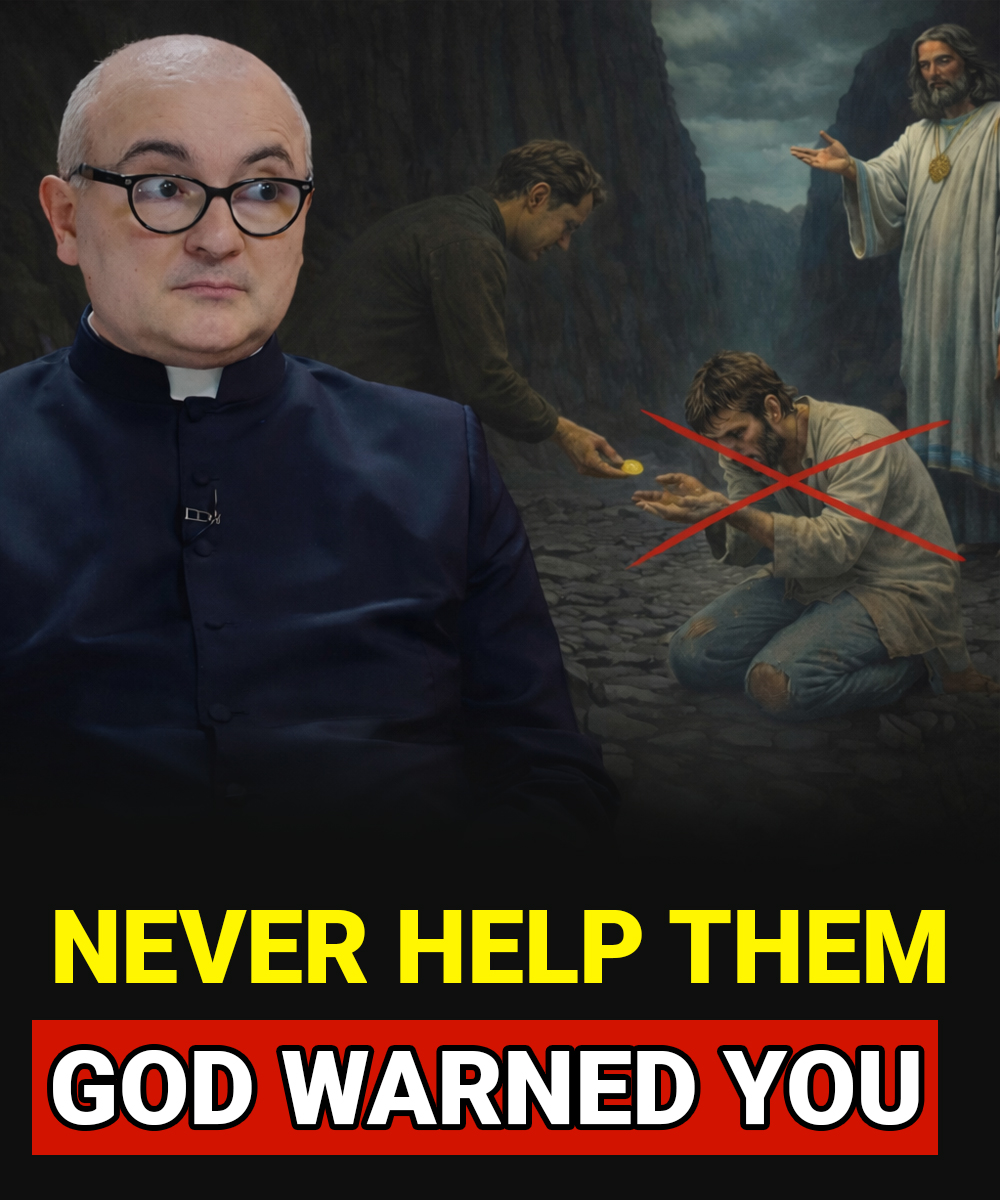
8 Situations Where the Bible Encourages Discernment Before Helping Others
Helping others is a core value in the Christian faith. The Bible consistently encourages compassion, generosity, and care for those in need. At the same time, Scripture also teaches the importance of wisdom, discernment, and responsibility when offering help.
Not every situation requires the same response, and not every form of help leads to positive outcomes. In some cases, setting boundaries or stepping back can be an act of wisdom rather than a lack of love.
Below are eight situations in which the Bible encourages believers to act thoughtfully before offering help—not to withhold compassion, but to ensure that help is truly constructive.
1. Those Who Know the Truth but Intentionally Reject It
Some individuals are familiar with biblical teachings yet consciously choose to reject or oppose them. In such cases, repeatedly offering help or instruction may lead to frustration rather than growth.
Scripture teaches believers to share the truth faithfully, but also to recognize when continued effort becomes unproductive. Stepping back can sometimes reflect respect for free will and spiritual discernment.
2. Those Who Use Help to Continue Harmful Behavior
Help is meant to support positive change. When assistance only enables destructive habits—such as dishonesty, unhealthy patterns, or harmful choices—it may unintentionally cause more harm.
The Bible emphasizes repentance and transformation alongside forgiveness. Support that ignores accountability can delay growth rather than encourage it.
3. Those Unwilling to Take Responsibility
The Bible distinguishes between those who are unable to help themselves and those who choose not to take responsibility.
Encouraging independence and effort is often more beneficial than continuous assistance that creates dependency. Help should empower, not replace personal responsibility.
4. People Who Consistently Create Conflict
Some individuals repeatedly bring tension, division, or unrest into every environment they enter. Scripture encourages peace, unity, and order within the community.
After repeated attempts at guidance, distancing oneself can help preserve harmony and emotional well-being.
5. Those Who Reject All Advice and Correction
Constructive correction is an important biblical principle. When someone repeatedly ignores advice or guidance, offering continued help may become ineffective.
In such cases, silence or distance can sometimes serve as a more meaningful lesson than repeated words.
6. People Who Manipulate Compassion
True compassion flows freely, not under pressure. When emotional stories are used to create guilt or urgency, discernment becomes essential.
The Bible teaches generosity that comes from a willing heart, not from obligation or emotional manipulation.
7. Those Who Refuse Boundaries or Conditions
Healthy help includes limits and structure. People who react negatively to reasonable boundaries may not be seeking support, but control.
Setting clear limits protects both parties and keeps assistance healthy and sustainable.
8. Those Who Expect Others to Take Full Responsibility for Them
Supporting someone does not mean living their life for them. Scripture teaches that each person carries responsibility for their own actions and growth.
Over-helping can prevent maturity and personal development, even when intentions are good.
Practical Reflections for Wise Helping
-
Seek discernment, not just emotional impulse
-
Look at long-term outcomes, not only immediate needs
-
Remember that saying “no” can sometimes be the most helpful answer
-
Set clear boundaries without guilt
-
Pray for others, even when you choose to step back
Helping others is not discouraged in the Bible—acting without wisdom is. True compassion is guided by truth, responsibility, and love. In some situations, stepping back allows space for growth, learning, and deeper transformation.