How a Personal Journey Sparked a Conversation About Self-Understanding
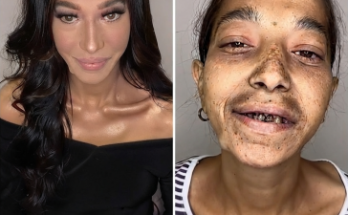
Dalia Naeem, a 29-year-old actress and television presenter from Baghdad, recently attracted widespread attention after sharing a noticeable change in her appearance. In a video that quickly circulated online, she appeared with blonde hair, polished makeup, and a carefully styled look that many viewers described as doll-like. Filmed alongside her makeup artist, the clip featured lighthearted remarks about her transformation and soon gained traction across multiple social media platforms.
What began as a personal style moment quickly became something larger: a global conversation about beauty, identity, and what it means to present yourself to the world on your own terms.
The Video That Started It All
The clip itself was simple. Dalia appeared with her makeup artist, laughing and chatting about her new look. There was nothing defensive or dramatic about it. It was a moment of someone enjoying a transformation and sharing that enjoyment with her audience.
But as interest grew, users began referencing her new style with playful nicknames, turning the moment into a viral discussion. Within days, the video had traveled far beyond her existing followers, carried by the algorithmic currents that turn personal moments into public phenomena.
This is the modern pattern: a person shares something personal, the internet reacts, and suddenly a private choice becomes a public referendum.
Beauty Trends and Personal Expression
The video’s popularity led to broader conversations about beauty trends and personal expression. According to reports, Dalia has undergone several cosmetic treatments as part of her transformation, which prompted discussions about how individuals choose to present themselves in today’s media-driven culture.
Some viewers praised her commitment to her personal vision. They saw someone who knew what she wanted and pursued it with confidence, a form of self authorship in a world that constantly tries to write women’s stories for them. Others reflected on the growing influence of beauty standards shaped by entertainment and social platforms, wondering where personal choice ends and cultural pressure begins.
The conversation extended beyond one person, encouraging audiences to consider how online visibility can impact self-image. When millions of people weigh in on your appearance, the boundary between self expression and public property gets blurry fast.
Mixed Reactions, Complex Questions
Reactions online were mixed, reflecting the complexity of appearance-related topics. Supporters highlighted her confidence and willingness to express herself authentically, viewing her transformation as a personal choice that deserved respect.
Others raised thoughtful concerns about the physical and emotional considerations associated with cosmetic procedures. These were not always attacks. Many came from a place of genuine care: concern about health risks, about the psychological toll of chasing an ideal, about young viewers who might see the transformation and feel their own appearance is inadequate.
These differing perspectives underscored the ongoing dialogue around individuality, well-being, and the responsibilities that come with highly visible personal decisions. The key questions emerging from the discussion include:
- Where is the line between self expression and conformity to narrow beauty standards?
- How do we respect personal choices while acknowledging the pressures that shape them?
- What responsibility do public figures have to audiences who may imitate their choices?
- How can conversations about appearance remain compassionate rather than judgmental?
The Bigger Picture: Identity in the Modern Age
Ultimately, Dalia Naeem’s experience has become part of a larger discussion about identity in the modern age. Her story shows how individual choices can quickly reach a global audience and spark meaningful conversations.
We live in an era where identity is increasingly performed and perceived online. Filters, cosmetic procedures, styling, and curation all blend into the images people present. This is not inherently good or bad. Humans have always adorned and altered themselves. What is new is the scale: a transformation that once would have been seen by dozens is now seen by millions, and judged by all of them.
This visibility cuts both ways. It can be empowering, giving people control over their narrative and community around their choices. It can also be crushing, subjecting personal decisions to commentary from strangers who feel entitled to an opinion.
Self-Awareness and Informed Decisions
More importantly, the conversation highlights the importance of self-awareness, informed decision-making, and respect for personal journeys. Whether seen as creative self-expression or a reflection of contemporary beauty culture, her transformation offers insight into how confidence and individuality continue to evolve in a connected world.
For anyone considering significant changes to their appearance, the discussion around Dalia’s story surfaces genuinely useful principles:
- Know your why. Are you pursuing a vision that feels authentically yours, or chasing an image shaped by others’ approval?
- Get informed. Understand the physical realities, risks, and maintenance of any procedure before committing.
- Consider the emotional side. Appearance changes can affect self image in unexpected ways, both positive and challenging.
- You owe strangers nothing. Public commentary is not a vote you need to win. Personal choices do not require public justification.
Respecting Personal Journeys
Perhaps the most valuable outcome of the whole discussion is the reminder that behind every viral moment is a real person. Dalia Naeem shared a transformation she was excited about. The world turned it into a debate. Both things can be true: the debate raises important questions, and the person at its center deserves the same respect we would want for our own choices.
Confidence and individuality will keep evolving as culture and technology change. The conversation around them should evolve too, toward more understanding and less judgment.
Frequently Asked Questions
Who is Dalia Naeem?
Dalia Naeem is a 29-year-old actress and television presenter from Baghdad who gained widespread online attention after sharing a video showcasing a dramatic change in her appearance.
What did the viral video show?
The video, filmed with her makeup artist, showed Dalia with blonde hair, polished makeup, and a styled look many viewers described as doll-like, accompanied by lighthearted remarks about her transformation.
Why did the video spark debate?
According to reports, her transformation involved cosmetic treatments, which led to broader discussions about beauty standards, personal expression, the influence of social media on self-image, and the considerations around cosmetic procedures.
What were the main viewpoints?
Supporters praised her confidence and right to self expression. Others raised thoughtful concerns about health, emotional well-being, and the impact of beauty standards, especially on young viewers.
What is the broader takeaway?
That individual appearance choices in the age of social media quickly become public conversations, highlighting the need for self-awareness, informed decision-making, and respect for personal journeys.