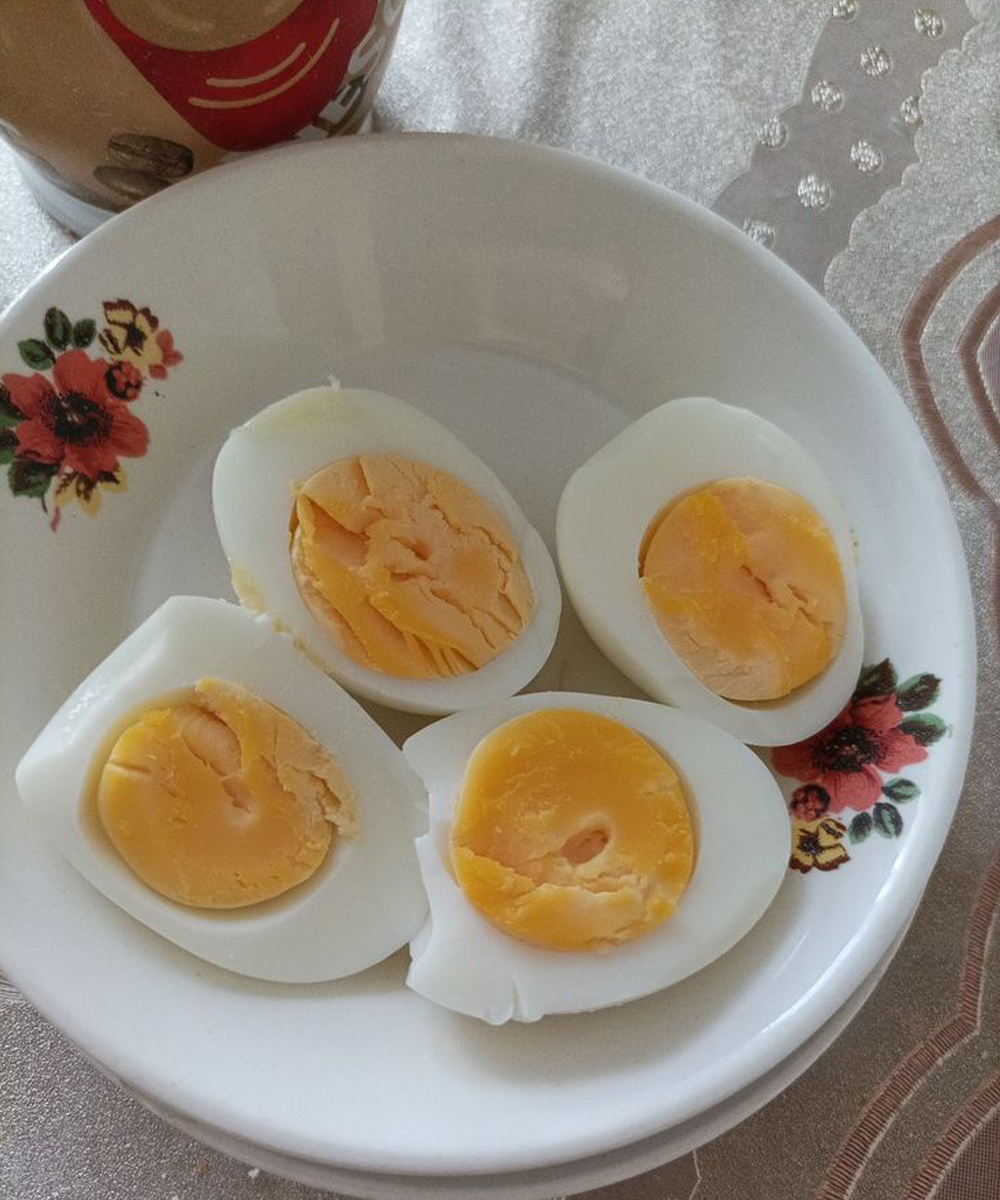
Eggs are considered one of the most nutritious and versatile foods available. They provide high-quality protein, essential vitamins, important minerals, and a strong feeling of fullness that can last for hours. Because of this, eggs are a popular choice for breakfast and balanced meals. However, the way eggs are handled, stored, and prepared can affect both their nutritional value and overall food safety. With a few simple adjustments, it is possible to enjoy eggs while preserving their benefits.
One easy way to check whether an egg is fresh is by placing it in a glass of water. A fresh egg will sink and lie flat at the bottom, while an older egg may stand upright or float. This happens because, over time, air slowly enters the shell as moisture escapes, increasing buoyancy. Eggs that float should be used quickly or discarded.
Many people wash eggs before storing them, but this practice is not recommended. Eggshells naturally have a thin protective coating that helps prevent bacteria from entering. Washing removes this barrier and allows microorganisms to pass through the shell’s pores more easily. For this reason, eggs should be stored unwashed and kept in the main compartment of the refrigerator rather than the door, where temperature changes occur more frequently.
Consuming raw eggs is also discouraged. Raw eggs contain a protein that interferes with the absorption of biotin, a vitamin involved in metabolism and overall body function. In addition, the protein in raw eggs is harder for the body to digest, meaning fewer nutrients are absorbed. Cooking eggs improves protein digestibility and allows the body to use nutrients more efficiently. There is also a food safety concern, as raw eggs can contain harmful bacteria that cannot be detected by smell or appearance. Proper cooking greatly reduces this risk.
The color of an egg yolk often raises questions, but it does not indicate whether an egg is healthier or fresher. Yolk color is mainly influenced by the hen’s diet. Hens that consume feed rich in natural pigments such as corn or leafy greens tend to produce deeper orange yolks, while lighter yolks come from more standard diets. Both types are nutritious and suitable for consumption.
Hard-boiled eggs can sometimes be difficult to peel, especially when they are very fresh. Cooling eggs immediately in cold or ice water after boiling helps loosen the shell. Cracking the shell at the wider end, where the air pocket forms, usually makes peeling easier. Adding a small amount of salt or vinegar to boiling water may also help reduce leaking if the shell cracks.
Eggs can be prepared in many healthy ways, including boiling, scrambling, or lightly cooking them using stable fats. Oils that break down easily at high temperatures should be avoided, while olive oil used at moderate heat, avocado oil, or small amounts of clarified butter are generally better options.
For those who enjoy homemade mayonnaise, a cooked-egg version offers a safer alternative to traditional recipes that use raw eggs. Blending a hard-boiled egg with oil, lemon juice, mustard, salt, and optional garlic creates a creamy spread. Some people also replace part or all of the oil with avocado for a lighter texture. Homemade mayonnaise should always be refrigerated, used within a few days, and discarded if its smell, color, or texture changes.
Eggs can be a valuable addition to a healthy diet when they are stored correctly, cooked thoroughly, and prepared using simple methods. Small changes in everyday habits can help ensure that this affordable and nutritious food is enjoyed safely and responsibly.