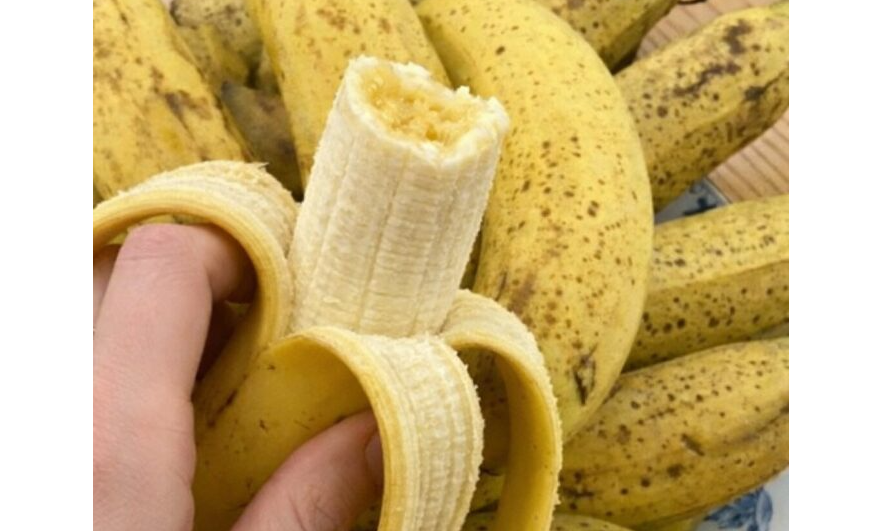
As we move through our 50s, 60s, and the years that follow, many people begin noticing subtle yet meaningful changes in how the body responds to food. Energy may fade sooner than it once did. Digestion can feel less predictable, and maintaining healthy blood pressure, steady muscle comfort, and strong heart function often becomes more important. These changes are a natural part of aging, and they encourage us to pay closer attention to the foods we choose each day.
One simple food continues to stand out, not because it is new or exotic, but because it is familiar, affordable, and surprisingly effective: the banana.
Often overlooked due to its everyday presence in the grocery store, the banana provides a blend of nutrients that can be especially supportive for adults over 50. Eating a banana daily is not intended as a medical treatment or cure, yet it may provide gentle support for several areas of health that often become more noticeable with age.
To understand why this fruit deserves a steady place in an age-friendly diet, it helps to explore what makes it valuable.
Nutrition Plays a Larger Role After 50
As the body enters midlife, nutrient absorption and metabolism naturally shift. Calorie needs may decrease, while the need for nutrient-dense foods becomes more important. Digestive changes may also make fiber a crucial part of daily meals. Muscle mass typically decreases with age, which increases the need for minerals that support mobility. Blood vessels gradually lose elasticity, creating a greater need for heart-friendly foods.
This is why many nutrition experts encourage older adults to focus on whole foods that provide consistent benefits. Bananas fit beautifully into this approach.
Supports Daily Blood Pressure Needs
Blood pressure can become more sensitive in the later decades of life. One of the most well-known reasons bananas earn praise from health professionals is their natural potassium content.
Potassium plays an important role in helping the body balance sodium. When potassium intake is adequate, the body is better able to release excess sodium through the kidneys, supporting healthier blood vessel function. A medium banana typically provides around 400 milligrams of potassium, contributing meaningfully to daily needs when combined with other potassium-rich foods.
A diet with regular potassium intake may help support long-term blood pressure stability, especially when paired with other heart-friendly habits.
Contributes to Heart and Circulatory Health
The heart depends on a steady level of electrolytes to maintain normal rhythm, and potassium is one of the key elements involved. Bananas also offer small amounts of magnesium, which supports circulation and smooth muscle function within blood vessel walls.
For adults over 50 who benefit from a heart-conscious diet, bananas offer a naturally low-fat, cholesterol-free snack that fits easily into daily routines.
Supports Digestive Comfort and Regularity
Digestive changes appear commonly with age due to shifts in movement, hydration, and overall activity levels. Bananas contain both soluble and insoluble fiber, which together help promote regular bowel movement and more comfortable digestion.
Soluble fiber softens stool by absorbing water, while insoluble fiber adds bulk. Many people notice improvements in regularity after including bananas consistently in meals and snacks, especially when paired with adequate hydration.
A Steady Source of Energy
Midlife often brings changes in daily energy patterns. Sleep cycles shift, blood sugar regulation may feel different, and nutrient absorption can slow. Bananas contain natural carbohydrates that provide a steady form of fuel, along with vitamin B6, which supports the body’s ability to convert food into energy.
A banana at breakfast or as a mid-morning snack can help many older adults feel more stable throughout the morning.
Helpful for Muscle Comfort
Leg cramps and muscle tightness are common complaints later in life. While these issues can have multiple causes, low mineral intake is sometimes part of the picture. Bananas support overall muscle function by delivering potassium and modest amounts of magnesium, both involved in muscle contraction and relaxation.
Although bananas are not a remedy on their own, they can be a valuable part of a routine that promotes comfort and mobility.
Easy to Include in Daily Eating
Bananas are convenient, portable, and require no preparation. This makes them especially practical for adults who want simple, nourishing foods. They can be added to oatmeal, blended into smoothies, paired with nuts, spread on whole-grain toast with nut butter, or eaten alone as a quick breakfast addition.
Points to Consider
Moderation is important for those managing blood sugar, as bananas contain natural sugars. Pairing them with protein or healthy fats can help support more stable blood sugar levels. Individuals with kidney concerns or potassium restrictions should consult a healthcare professional before increasing intake.
A Small Choice With Meaningful Benefits
Healthy aging often comes from steady daily habits. Eating one banana a day may provide gentle support for digestion, muscle function, heart health, consistent energy, and blood pressure maintenance. It is a simple choice, yet one that can fit naturally into a supportive and nourishing approach to well-being throughout later life.