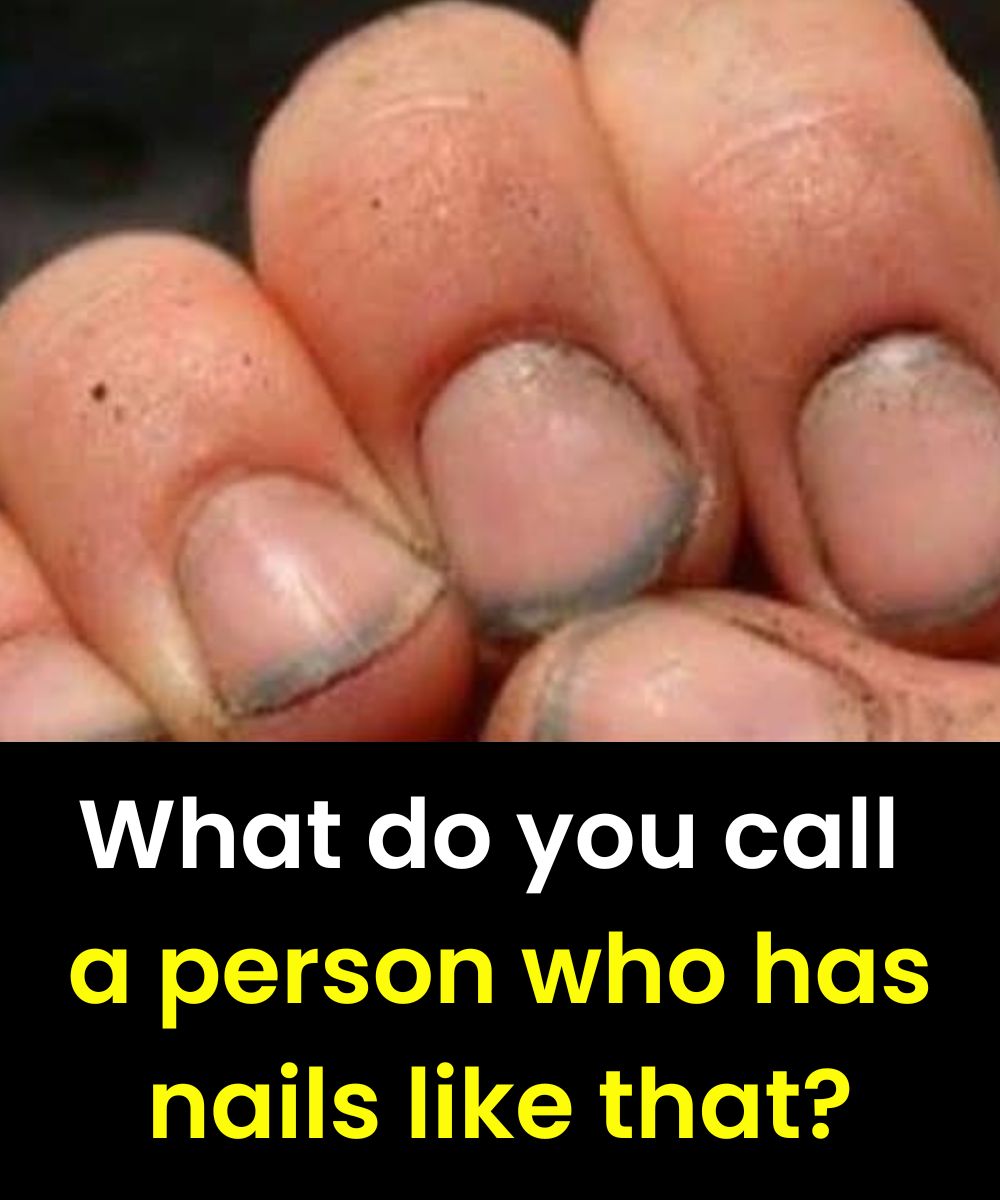
A close look at a hand with dirt beneath the fingernails can quickly spark judgment. Darkened edges and traces of grime often lead to one immediate thought: poor hygiene.
But is that always the right conclusion?
The question, “What do you call someone with nails like that?” may seem simple. In reality, the answer depends entirely on context.
The First Impression: Cleanliness and Hygiene
From a young age, we learn the importance of washing our hands. Good hygiene helps prevent the spread of germs and supports overall health. Keeping nails trimmed and clean is part of that routine.
In certain situations, consistently dirty nails may suggest that someone is neglecting basic self-care, especially if they have access to clean water and soap but choose not to maintain healthy habits.
Clean hands are often associated with professionalism, self-respect, social awareness, and personal responsibility.
In schools, workplaces, and public spaces, hygiene plays an important role in protecting both individual and community health.
However, that explanation does not always tell the full story.
A Different Perspective: The Reality of Physical Work
Now imagine those same nails at the end of a long workday.
They might belong to a mechanic repairing an engine, a gardener planting flowers and vegetables, a construction worker mixing concrete, a farmer harvesting crops, or a painter finishing a room.
Many hands that build, repair, and maintain the world around us cannot stay spotless throughout the day. Oil, soil, dust, and paint naturally collect during hands-on labor. Even after washing, some residue may remain temporarily.
In these cases, dirt is not a sign of carelessness. It is evidence of effort.
For people working in physically demanding roles, clean hands every moment of the day are not always realistic. What you may be seeing is productivity, not neglect.
Why Context Matters
A single detail can have very different meanings depending on the setting.
At a formal event, dirty nails may seem out of place. On a job site, they likely reflect dedication and physical work. On a volunteer helping clean up after a storm, they may represent service and compassion.
Context shapes interpretation. Without it, quick assumptions can lead to unfair conclusions.
Beyond Appearances
It’s easy to associate polished hands with organization and success. But many spotless hands have never lifted heavy materials, repaired broken equipment, or planted food in the ground.
At the same time, many dirt-stained hands have supported families, strengthened communities, and created real, tangible results.
Dirt can be washed away. Work ethic, integrity, and responsibility are qualities that last much longer.
A Balanced View
Cleanliness remains important. Regular handwashing and nail care protect health and demonstrate respect for oneself and others. These habits reduce illness and contribute to overall well-being.
Yet respect for people matters just as much.
Before labeling someone based on what appears beneath their fingernails, it helps to pause and consider the bigger picture. Are you seeing neglect, or are you seeing the mark of a long, productive day?
Sometimes what looks untidy is simply proof that meaningful work has been done.
The real answer to the question depends not on the nails, but on the story behind them.