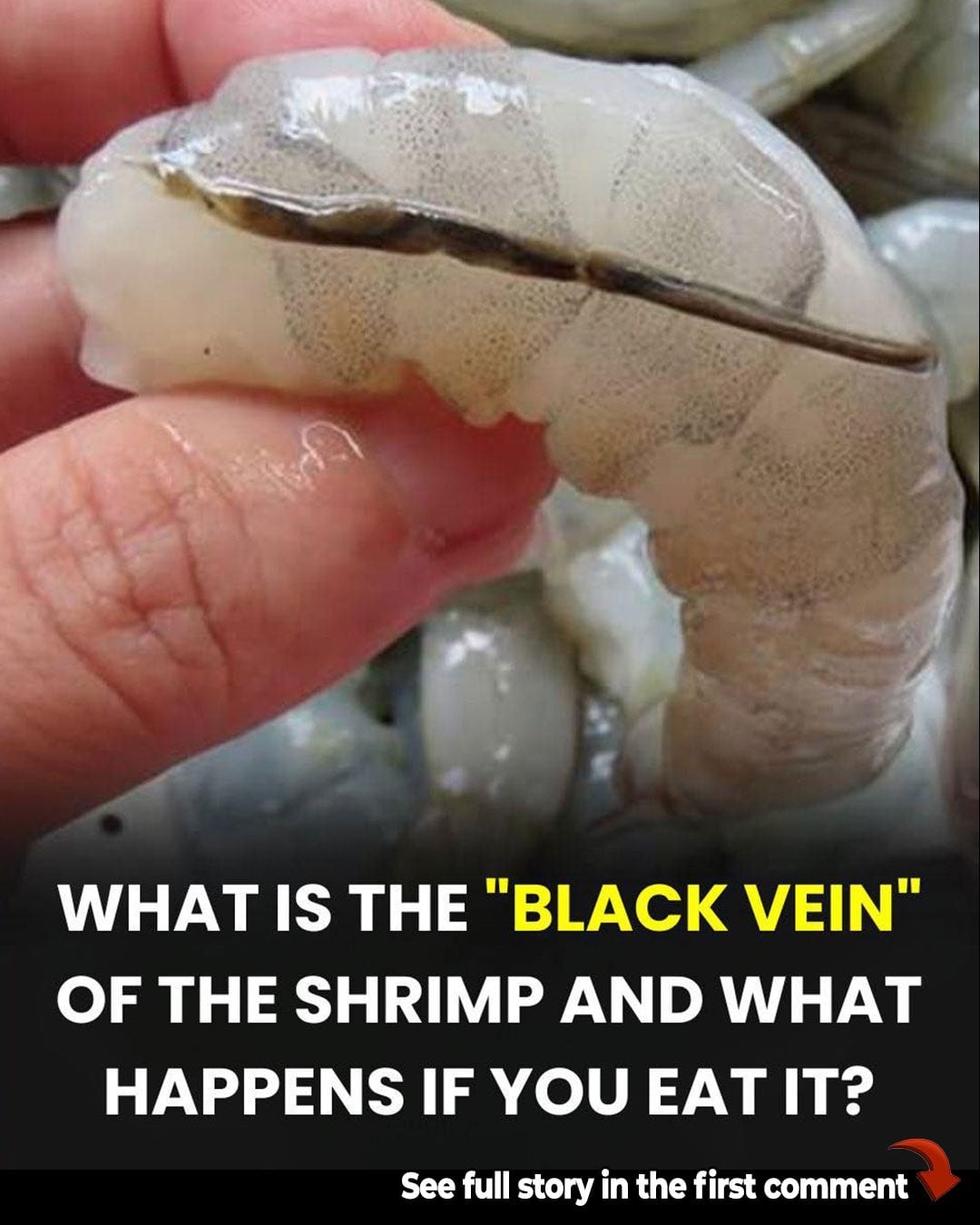
Shrimp is one of the most popular seafood choices around the world. It cooks quickly, works well in many recipes, and provides a variety of useful nutrients. However, if you’ve ever prepared shrimp at home, you may have noticed a thin dark line running along its back.
Many home cooks refer to this as the “black vein,” and it often raises questions. Is it harmful? Should it always be removed? And how do you clean shrimp properly before cooking?
In this guide, we’ll explain what that dark line really is, why many cooks remove it, and how to prepare shrimp step-by-step for the best flavor and presentation.
What Is the Black Line in Shrimp?
The dark line running along the back of a shrimp is actually its digestive tract. It’s sometimes called the shrimp vein, even though it is not a blood vessel.
This tract may contain small particles such as sand or residue from what the shrimp has eaten. While it may not look very appealing, it is not considered harmful if accidentally consumed.
However, many cooks prefer to remove it because it can sometimes create a slightly gritty texture or affect the taste of the shrimp.
Understanding what it is can make the preparation process less confusing and help you feel more comfortable when cooking seafood.
Why Many Cooks Remove the Shrimp Vein
Removing the shrimp’s digestive tract is called deveining. While it is not always required, many chefs recommend it for a few reasons:
-
It can improve the flavor and texture of the shrimp
-
It helps remove any sand or grit that may be present
-
It creates a cleaner and more appealing presentation
-
It makes shrimp look more appetizing in simple dishes
For recipes where shrimp is served whole or lightly seasoned, deveining can make a noticeable difference.
How to Devein Shrimp Step by Step
Deveining shrimp is easier than many people expect. With a little practice, the process takes less than a minute.
Step 1: Rinse the shrimp
Rinse the shrimp under cold water to remove surface debris.
Step 2: Make a shallow cut
Using a small paring knife, make a shallow cut along the back of the shrimp.
Step 3: Locate the vein
You will see a thin dark line just beneath the surface.
Step 4: Remove the vein
Gently lift it out using the tip of the knife or your fingers.
Step 5: Rinse again
Give the shrimp another quick rinse to remove any remaining residue.
After this step, the shrimp is ready to cook.
Do You Always Need to Remove It?
Not everyone removes the vein from shrimp, and in some cases it may not be necessary.
For example:
-
Very small shrimp often have veins that are barely noticeable.
-
Farm-raised shrimp may contain less debris due to controlled environments.
-
In heavily seasoned dishes, the texture difference may be less noticeable.
Still, many cooks remove it when preparing shrimp for guests or for recipes where appearance matters.
Tips for Buying Fresh Shrimp
The quality of shrimp plays a big role in how your dish turns out. When shopping for shrimp, keep these tips in mind:
-
Look for firm flesh that springs back when touched
-
Fresh shrimp should have a mild ocean scent, not a strong fishy smell
-
Shells should appear moist and shiny
-
Avoid shrimp with an ammonia-like odor
If you are buying peeled shrimp, the flesh should look translucent and clean.
Purchasing seafood from a trusted fish market or store can help ensure good quality.
What to Know About Frozen Shrimp
Frozen shrimp is widely available and often very convenient. In many cases, shrimp is frozen shortly after being caught, which helps preserve freshness.
When buying frozen shrimp:
-
Check whether it is raw or pre-cooked
-
Some packages are labeled “deveined”, saving preparation time
-
Thaw shrimp in the refrigerator or under cold water
Avoid thawing shrimp at room temperature to maintain food safety.
Easy Ways to Cook Shrimp
Shrimp cooks quickly and works well with many cooking methods.
Boiling
Place shrimp in boiling water for about 2–3 minutes until they turn pink.
Grilling
Grilling adds a smoky flavor, especially when shrimp is marinated.
Sautéing
Cooking shrimp in a pan with garlic, olive oil, or butter creates a quick and flavorful dish.
Baking
Larger shrimp can be baked with herbs, lemon, and vegetables.
No matter the method, shrimp should be cooked just until it turns pink and opaque.
Common Shrimp Cooking Mistakes
Even simple seafood dishes can go wrong if a few details are overlooked.
Some common mistakes include:
-
Overcooking shrimp, which can make it rubbery
-
Not cleaning shrimp properly before cooking
-
Using too many strong seasonings that overpower the flavor
-
Thawing frozen shrimp incorrectly
-
Cooking shrimp while still very wet, which prevents proper browning
Taking a few extra minutes to prepare shrimp properly can greatly improve the final result.
Nutritional Benefits of Shrimp
Shrimp is not only flavorful but also provides several important nutrients.
It is known for being:
-
High in protein
-
Low in calories
-
A source of vitamin B12
-
Rich in selenium, an important mineral for immune function
Because shrimp contains relatively little fat, it can fit into many balanced eating plans.
Shrimp and Heart Health
Shrimp also contains omega-3 fatty acids, nutrients commonly associated with heart health.
Omega-3s may help support healthy cholesterol levels and contribute to overall cardiovascular wellness when included as part of a balanced diet.
Shrimp also contains antioxidants such as selenium that help protect cells from oxidative stress.
As with all foods, moderation and variety are key to maintaining healthy eating habits.
Other Important Nutrients Found in Shrimp
Beyond protein and omega-3 fatty acids, shrimp provides several additional nutrients, including:
-
Iodine, which supports thyroid function
-
Vitamin D, important for bone health
-
Zinc, which supports immune function
-
Copper, which helps with metabolism
Shrimp is also naturally low in carbohydrates, making it suitable for many dietary preferences.
Final Thoughts
Preparing shrimp at home becomes simple once you understand how to clean and cook it properly. The dark line on the back of shrimp is its digestive tract. While it is generally safe to eat, many cooks remove it to improve texture and presentation.
By choosing quality shrimp, preparing it carefully, and avoiding common cooking mistakes, you can