Did You Know Chicken Gizzards Are a Nutritious, Affordable Protein Worth Trying?
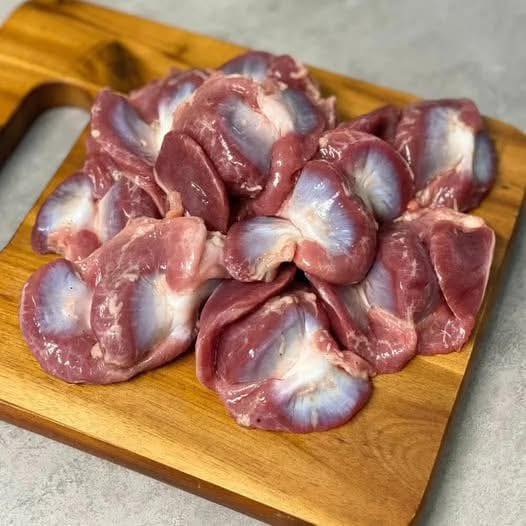
Chicken gizzards are one of the most overlooked cuts of meat, yet they offer an impressive combination of nutrition, flavor, and affordability. While many people tend to skip them at the grocery store, those who give them a chance often discover a versatile ingredient that can fit into a wide range of meals. Gizzards are classified as "offal," a term used for organ meats. Although this label may not sound very appealing at first, organ meats have long been valued in many cultures for their high nutritional content.
What Exactly Are Chicken Gizzards?
A gizzard is a muscular part of a chicken's digestive system. Since chickens do not have teeth, this organ plays an important role in grinding food. Because of this constant use, gizzards develop a firm and slightly chewy texture. However, with proper cooking techniques such as slow simmering, braising, or pressure cooking, they can become tender, juicy, and full of rich flavor.
Many home cooks are unfamiliar with gizzards simply because they are not as widely marketed as breast or thigh meat. But in many cuisines around the world, from Southern soul food to Filipino and Brazilian dishes, gizzards are a beloved staple. They have a deep, savory taste that absorbs marinades and seasonings beautifully, making them an excellent canvas for bold flavors.
Nutrition: A Protein Powerhouse on a Budget
One of the biggest advantages of chicken gizzards is their nutritional value. A typical 3-ounce (85-gram) serving provides around 20 grams of protein, making it an excellent option for those looking to increase their protein intake. Protein is essential for building and repairing tissues, supporting muscle growth, and maintaining overall body function.
In addition to protein, gizzards are low in fat, usually containing less than 3 grams per serving. This makes them a suitable choice for people who want to enjoy meat while keeping their fat intake under control. They also provide important vitamins and minerals, including iron, zinc, and vitamin B12, which contribute to energy production, immune support, and overall well-being.
Another reason to consider adding chicken gizzards to your diet is their affordability. Compared to many other cuts of meat, gizzards are typically much less expensive, making them a great option for budget-conscious households. Despite their lower price, they deliver strong nutritional benefits, offering excellent value for money.
How to Prepare Chicken Gizzards
Before cooking, rinse the gizzards under cold water and trim away any visible fat or tough connective tissue. Some gizzards come with a silvery membrane; peeling or trimming this off helps improve the final texture. Once cleaned, you can choose the cooking method that best suits your taste.
The key to tender gizzards is low and slow cooking. Tough muscle fibers need time to break down, so rushing the process with high heat will leave them rubbery. Braising, simmering in broth, or using a pressure cooker are the most reliable approaches.
Recipe: Tender Braised Chicken Gizzards with Garlic and Herbs
This simple recipe turns affordable gizzards into a deeply flavorful dish that works as an appetizer, side, or main course over rice or mashed potatoes.
Ingredients:
- 1 pound (450 g) chicken gizzards, cleaned and trimmed
- 2 tablespoons vegetable oil or butter
- 1 medium onion, finely chopped
- 4 garlic cloves, minced
- 2 cups chicken broth (low sodium preferred)
- 1 bay leaf
- 1 teaspoon smoked paprika
- 1 teaspoon dried thyme or oregano
- Salt and freshly ground black pepper to taste
- 2 tablespoons fresh parsley, chopped
- 1 tablespoon lemon juice (optional)
Steps:
- Pat the cleaned gizzards dry with paper towels. Season them generously with salt, pepper, and smoked paprika.
- Heat the oil in a large heavy pot or Dutch oven over medium-high heat. Brown the gizzards in batches for 3 to 4 minutes per side, until golden. Set them aside.
- In the same pot, add the chopped onion and cook for 4 to 5 minutes until softened. Stir in the garlic and cook for another minute until fragrant.
- Return the gizzards to the pot. Pour in the chicken broth and add the bay leaf and thyme. Bring to a gentle simmer.
- Reduce the heat to low, cover, and simmer for 60 to 75 minutes, stirring occasionally, until the gizzards are fork-tender.
- Remove the lid and let the liquid reduce for 10 to 15 minutes to thicken the sauce slightly.
- Remove the bay leaf, stir in the parsley and lemon juice if using, and adjust the seasoning before serving.
Tips for the best results:
- Do not skip the browning step. It builds a rich base of flavor that carries through the whole dish.
- If you own a pressure cooker, you can cut the cooking time to about 20 minutes at high pressure with a natural release.
- A splash of soy sauce or Worcestershire sauce added with the broth deepens the savory flavor.
- Leftovers keep well in the refrigerator for up to 4 days and often taste even better the next day as the flavors meld.
Variations to Try
- Spicy Cajun style: Swap the herbs for Cajun seasoning and add a sliced bell pepper during the last 20 minutes of simmering.
- Asian-inspired: Braise with soy sauce, ginger slices, star anise, and a pinch of sugar for a richly aromatic dish.
- Fried gizzards: Simmer first until tender, then coat in seasoned flour and fry until crispy for a classic Southern-style appetizer.
- Gizzard skewers: After braising, thread tender gizzards onto skewers, brush with barbecue sauce, and grill briefly for smoky char.
Storage and Food Safety
Store raw gizzards in the refrigerator and use them within 1 to 2 days of purchase, or freeze them for up to 3 months. Cooked gizzards should be refrigerated promptly and eaten within 4 days. Always cook poultry to an internal temperature of 165°F (74°C) to ensure food safety.
Frequently Asked Questions
Do chicken gizzards taste like chicken?
They have a richer, more savory flavor than chicken breast, often compared to dark meat with a deeper, almost gamey note. Their texture is firmer, similar to a well-cooked heart or tender calamari.
Are gizzards high in cholesterol?
Like other organ meats, gizzards contain a moderate amount of cholesterol, so people managing cholesterol levels should enjoy them in moderation as part of a balanced diet.
Can I cook gizzards without braising?
You can, but quick cooking methods like grilling or frying work best after a preliminary simmer, which tenderizes the meat first.
Where can I buy chicken gizzards?
Most supermarkets sell them in the poultry section, often in packs near the chicken livers. Butcher shops, farmers markets, and many international grocery stores carry them regularly.
Final Thoughts
Chicken gizzards deserve far more attention than they get. They are nutritious, affordable, and remarkably versatile once you know how to cook them. Whether you braise them low and slow, fry them crispy, or skewer them for the grill, they reward a little patience with big, satisfying flavor. Next time you pass them by in the store, consider picking up a pack and giving this humble cut the spotlight it deserves.