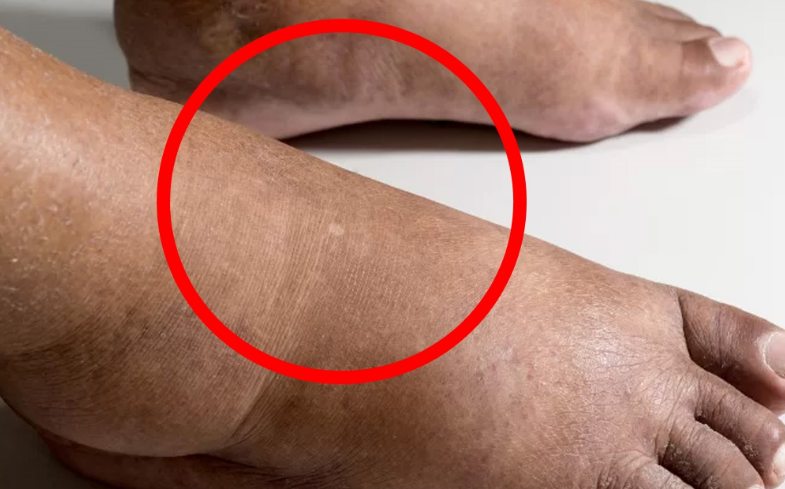
Swollen feet are a common issue that many people experience at some point in their lives. This condition, often referred to as edema, occurs when fluid builds up in the tissues of the feet and ankles, leading to noticeable puffiness. While it can feel uncomfortable, understanding the causes and recognizing early signs can help support overall foot health.
Swelling in the feet usually develops gradually. Many people first notice that their shoes feel tighter than usual. The skin may appear stretched, slightly shiny, or mildly discolored. In some cases, gently pressing on the affected area may leave a small indentation that takes a few seconds to disappear. This is commonly known as pitting and is often associated with fluid retention.
Occasional swelling can happen after a long day of standing or sitting. However, when swelling becomes frequent or persistent, it may require closer attention. The feet carry the body’s weight throughout the day, and circulation in the lower body works against gravity. When this circulation slows or fluid balance changes, swelling can occur.
There are several everyday factors that may contribute to swollen feet. Spending long periods in one position, whether sitting or standing, can affect blood flow in the legs. Warm weather may also play a role, as heat can cause blood vessels to expand and allow fluid to move into surrounding tissues. A diet high in salt can lead to water retention, which may increase swelling.
Pregnancy is another common reason for swelling. During this time, the body naturally retains more fluid, and pressure on blood vessels in the lower body can reduce circulation, leading to temporary swelling in the feet and ankles. In other situations, swelling may be linked to circulation issues, minor injuries, or side effects from certain medications.
Although mild swelling is often temporary, some symptoms should not be ignored. Sudden or unexplained swelling, especially if it affects only one foot, may need medical attention. Additional signs such as pain, warmth, redness, shortness of breath, or chest discomfort should be evaluated by a healthcare professional as soon as possible.
Some individuals explore natural approaches to support circulation and reduce mild swelling. These options are generally used alongside healthy habits rather than as a replacement for medical care. Certain herbs have traditionally been used to support comfort and circulation.
Ginkgo biloba is widely known for its potential to support blood flow and protect blood vessels. Calendula is valued for its soothing properties and is often used to promote skin comfort. Butcher’s broom has been traditionally associated with supporting vascular health and circulation.
Chamomile is commonly used for relaxation and may provide gentle soothing effects, especially after a long day. Ginger has a long history of use in supporting circulation and overall wellness. Witch hazel is often applied externally for its cooling and tightening properties, which may help reduce the feeling of swelling.
Horse chestnut is frequently included in topical products designed to support leg comfort and circulation. Dandelion has traditionally been used to support the body’s natural fluid balance. Rosemary is known for its refreshing and stimulating qualities, while turmeric contains compounds recognized for their antioxidant and anti-inflammatory properties.
A simple herbal foot soak can provide a relaxing way to ease tired feet. For example, dandelion root can be added to hot water and left to steep for about ten to fifteen minutes. After straining and allowing the liquid to cool to a comfortable temperature, it can be poured into a basin for soaking the feet. Spending some time soaking and then gently drying the feet may help promote comfort and relaxation.
Supporting circulation does not have to be complicated. Simple daily habits such as moving regularly, staying hydrated, wearing comfortable shoes, and maintaining a balanced diet can all contribute to healthier feet.
Swollen feet can be uncomfortable, but in many cases, they can be managed with awareness and small lifestyle adjustments. Paying attention to your body and seeking professional advice when needed can help ensure long-term comfort and overall well-being.