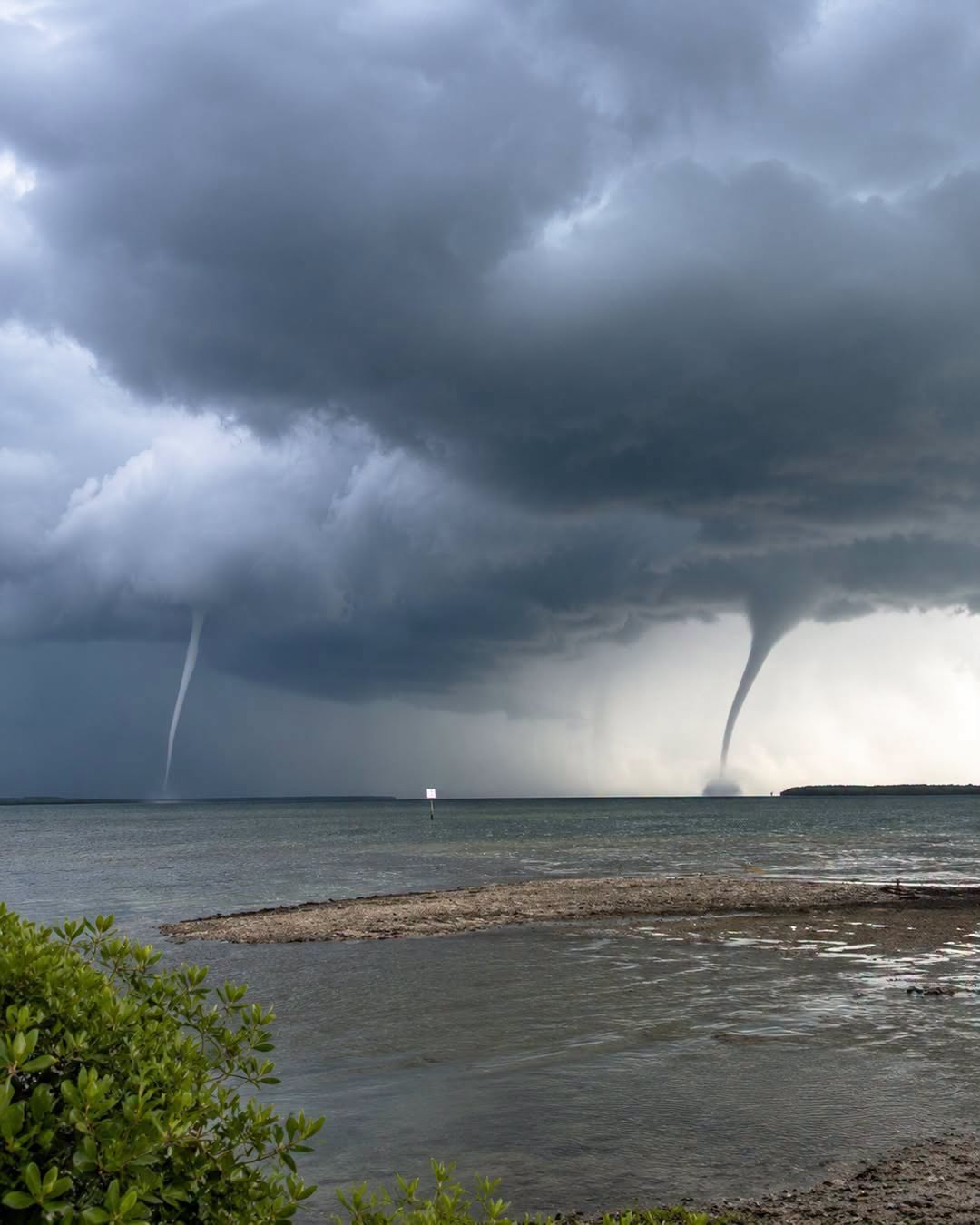
Communities along the coast are facing challenging weather conditions as two powerful storm systems combine, bringing heavy rainfall, strong winds, rough seas, and an increased risk of flooding. Emergency officials are encouraging residents in affected areas to stay informed and follow local safety guidance as conditions continue to develop.
Meteorologists describe the event as an unusual interaction between two separate weather systems that merged near the coastline. While these types of weather patterns are uncommon, they can produce stronger winds, larger waves, and more persistent rainfall than a single storm alone.
As the storms approached land, coastal communities experienced rapidly changing weather. Large waves crashed against shorelines, strong winds affected buildings and trees, and visibility was reduced by heavy rain. Local authorities quickly activated emergency response plans to help protect residents and minimize potential damage.
Maritime operations have been significantly affected by the severe conditions. Port officials temporarily suspended many commercial and recreational activities to reduce safety risks for vessels and crews. Rough seas and high waves created hazardous navigation conditions, prompting many boats to remain in harbor until the weather improves.
Emergency services have also responded to reports of localized flooding, fallen trees, and power outages in several communities. Rescue personnel continue to assist residents where needed, particularly in low-lying areas that are more vulnerable to rising water levels. Officials are asking the public to avoid flooded roads and to leave emergency routes clear for first responders.
Weather experts remain concerned that the combined storm systems could continue producing heavy rainfall over an extended period. Saturated ground and overwhelmed drainage systems increase the possibility of flash flooding, while rivers and streams may continue rising even after the heaviest rain begins to ease.
Flood management agencies are closely monitoring water levels and weather forecasts to identify areas that may require additional warnings or evacuation notices. Residents living near rivers, coastal zones, or other flood-prone locations are encouraged to stay updated through official weather and emergency management channels.
Beyond the immediate weather impacts, the storms are expected to affect transportation and regional commerce. Temporary port closures and damage to roads, utilities, and coastal infrastructure may lead to delays in shipping and supply chains. Cleanup and repair efforts could continue for weeks depending on the extent of the damage.
Emergency shelters have opened in some affected communities to provide temporary assistance for residents displaced by flooding or power outages. Volunteers, emergency responders, and local organizations are working together to provide shelter, food, and other essential support while weather conditions remain unstable.
Climate experts note that coastal communities continue to face increasing challenges from severe weather events. Although modern forecasting and emergency planning have improved preparedness, extreme storms can still place significant pressure on infrastructure and emergency response systems.
Authorities continue to emphasize the importance of personal safety. Residents are advised to avoid unnecessary travel, stay away from coastal areas with dangerous surf, secure outdoor belongings, and monitor official forecasts for the latest updates. Those who receive evacuation instructions should follow them promptly and prepare emergency supplies if necessary.
While recovery efforts will begin once conditions improve, the immediate priority remains protecting lives and supporting affected communities. Staying informed, following guidance from local officials, and looking out for neighbors can help reduce risks as the storms move through the region.