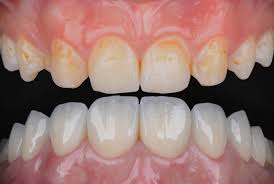
Tooth problems like chipping, discoloration, or sensitivity are often blamed on diet or oral hygiene habits While factors such as sugary foods or inconsistent brushing can play a role some dental conditions begin much earlier during the development of the teeth themselves
One such condition is amelogenesis imperfecta a rare genetic disorder that affects how tooth enamel forms Understanding this condition can help individuals and families take early steps toward better dental care and long term oral health
When Tooth Issues Go Beyond the Surface
Teeth that appear yellowed fragile or unusually sensitive are sometimes seen as minor concerns However in certain cases these signs may point to a deeper developmental issue
Amelogenesis imperfecta is an inherited condition that interferes with the proper formation of enamel the hard outer layer of the teeth Since enamel plays a critical role in protecting teeth any disruption in its development can lead to long term dental challenges
This condition is not caused by poor oral hygiene Instead it results from genetic factors that affect how enamel is produced before teeth even emerge
The Importance of Healthy Enamel
Enamel is the strongest substance in the human body It acts as a protective barrier against daily chewing pressure temperature changes acids from food and drinks and harmful bacteria
When enamel forms properly it helps keep teeth strong and resilient However in individuals with amelogenesis imperfecta enamel may be thinner than normal softer and more prone to wear poorly mineralized or unable to fully harden
As a result teeth can become more vulnerable to damage decay and sensitivity
Common Signs to Look For
The appearance and severity of amelogenesis imperfecta can vary but some common signs include teeth that appear yellow brown gray or chalky white uneven grooved or pitted surfaces enamel that chips or wears down easily and increased sensitivity to hot cold or sweet foods
Both baby teeth and adult teeth can be affected which means symptoms may appear early in life Recognizing these signs early can help reduce further damage and support better dental outcomes
Emotional and Everyday Impact
In addition to physical symptoms this condition can influence daily life People may feel self conscious about their smile or experience discomfort while eating and drinking
Ongoing dental care needs can also add stress over time That is why awareness support and proper treatment play an important role in maintaining both oral health and confidence
Different Types of Amelogenesis Imperfecta
There are several forms of this condition including hypoplastic type where enamel is hard but too thin often leading to small or uneven teeth hypomaturation type where enamel has normal thickness but is softer and more prone to damage and hypocalcified type where enamel forms but remains soft and wears away quickly
Each type affects enamel differently but all can reduce its protective function
How It Is Diagnosed
Dentists use a combination of methods to identify amelogenesis imperfecta such as examining enamel texture and appearance reviewing dental history and symptoms assessing family history and taking X rays or dental images
In some cases genetic testing may also be recommended to confirm the diagnosis and guide treatment planning
Treatment and Management Options
Although the condition cannot be reversed modern dental care offers effective ways to manage it and protect the teeth
Treatment plans may include dental crowns to cover and strengthen teeth bonding techniques to repair damaged enamel veneers to improve appearance and protection fluoride applications to support enamel strength and desensitizing products to reduce discomfort
Regular dental visits are essential for monitoring progress and maintaining oral health over time
Living Well With the Condition
With early care and the right treatment approach individuals with amelogenesis imperfecta can maintain healthy functional teeth Education about the condition also helps reduce unnecessary self blame and encourages proactive care
A supportive dental team and consistent oral hygiene habits can make a meaningful difference in both comfort and confidence
Final Thoughts
Not all dental issues are linked to lifestyle habits In some cases genetics play a key role in how teeth develop and function
Amelogenesis imperfecta may affect the strength appearance and sensitivity of teeth but with proper diagnosis and care it can be effectively managed Early awareness and ongoing dental support are key to maintaining a healthy smile and overall well being