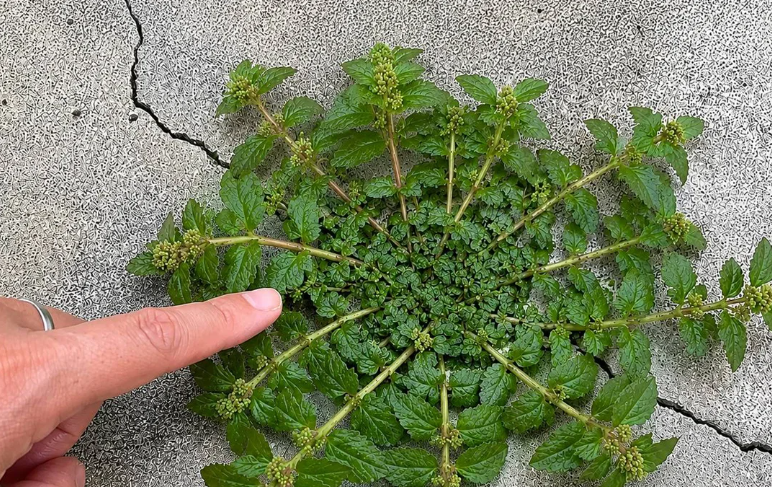
Many plants that grow naturally in gardens and outdoor spaces often go unnoticed. One such plant is Santa Lucía herb, a wild-growing species that has been part of traditional wellness practices in various regions for generations.
Known for its small green leaves, tiny flowers, and milky white sap, this plant is commonly found in yards, flowerpots, sidewalks, and areas with moist soil. While some people view it as an ordinary weed, others value it for its long history in traditional herbal use.
What Is Santa Lucía Herb?
Santa Lucía herb, also known as Euphorbia hirta in many regions, has been used in traditional herbal preparations for centuries. It is often prepared as an infusion or tea and is included in various natural wellness routines.
Although scientific research is still ongoing, traditional practices have associated the plant with digestive comfort, respiratory support, and general wellness.
Traditional Uses of Santa Lucía Herb
Eye Comfort Support
In traditional herbal practices, Santa Lucía herb has sometimes been associated with supporting overall eye comfort. However, herbal preparations should never be applied directly to the eyes unless specifically recommended by a qualified healthcare professional.
Digestive Wellness
Many people have traditionally consumed herbal teas made from this plant after meals. It has often been included in wellness routines aimed at supporting digestion and promoting everyday digestive comfort.
Respiratory Support
Santa Lucía herb has a long history of use in traditional remedies for seasonal respiratory discomfort. Herbal infusions made from the plant are sometimes enjoyed as part of wellness routines focused on maintaining respiratory comfort.
Joint and Mobility Wellness
Traditional herbal practices in some regions include Santa Lucía herb as part of broader wellness approaches intended to support comfort and mobility.
Blood Sugar Awareness
In certain communities, the herb is sometimes used as part of traditional dietary practices related to healthy living. It should not be considered a substitute for professional medical care or prescribed treatments.
Fluid Balance Support
Because the plant has traditionally been associated with natural diuretic properties, some people include it in wellness routines designed to support normal fluid balance.
Nutritional Interest
The plant has attracted attention in traditional wellness circles because of its natural composition and its role in various herbal preparations.
How Santa Lucía Herb Tea Is Traditionally Prepared
A common traditional preparation involves making a simple herbal infusion.
Ingredients include one teaspoon of chopped leaves, stems, and flowers and 250 milliliters of water.
Bring the water to a boil, remove it from the heat, and add the chopped plant material. Cover the mixture and allow it to steep for five to ten minutes before straining. Many people enjoy the tea while it is still warm as part of their daily wellness routine.
Important Considerations
Before using any wild plant, proper identification is essential. Plants should only be collected from clean environments that are free from pollution and contaminants.
When fresh plants are unavailable, dried herbal products may sometimes be found through specialty herbal retailers.
Safety and Precautions
Natural products are not suitable for everyone. Individuals who are pregnant, breastfeeding, managing chronic health conditions, or taking medications should consult a healthcare professional before adding any herbal product to their routine.
Children should only use herbal products under appropriate professional guidance.
Final Thoughts
Santa Lucía herb remains a fascinating part of traditional herbal culture in many regions. While it continues to be valued in folk practices, it is best viewed as a complementary part of a healthy lifestyle rather than a replacement for professional medical care.
As with any herbal product, responsible use, proper identification, and professional guidance can help ensure a safe and informed approach to natural wellness.