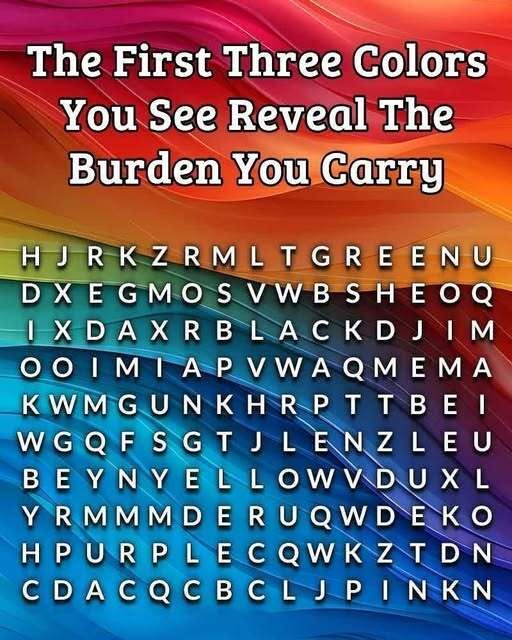
Colors are part of everyday life, influencing how we feel, think, and interact with the world around us. While many people choose colors based on personal taste, psychologists and researchers have long explored how color preferences may be connected to emotions, moods, and personality traits.
The Connection Between Colors and Emotions
Colors can create immediate emotional responses. A bright shade may feel energizing, while a softer tone can promote relaxation. Because of this, colors are often used in interior design, fashion, marketing, and branding to influence perception and mood.
Although color meanings can vary between individuals and cultures, certain associations are commonly recognized.
Red: Energy and Confidence
Red is often linked to strength, passion, and excitement. It is a color that naturally attracts attention and is frequently associated with action and determination.
People who enjoy red may appreciate dynamic environments, bold experiences, and self-expression. At the same time, red can sometimes reflect a desire for motivation and increased energy during challenging periods.
Blue: Calm and Stability
Blue is widely associated with trust, peace, and reliability. Many people find blue comforting because it creates a sense of balance and relaxation.
Those who prefer blue may value harmony, organization, and clear communication. It is also a popular choice for creating calm and productive spaces.
Purple: Creativity and Reflection
Purple is often connected to imagination, creativity, and personal growth. Throughout history, it has been associated with uniqueness and self-expression.
People drawn to purple may enjoy exploring new ideas, reflecting on personal experiences, and embracing change as they move through different stages of life.
How Colors Influence Everyday Choices
The colors people choose for clothing, home décor, and personal items can sometimes reflect their current emotional needs. Soft greens may create a sense of comfort, warm earth tones can feel grounding, and darker shades may provide a feeling of security.
These preferences often change over time as circumstances, goals, and experiences evolve.
Cultural Meanings of Color
Color symbolism is not universal. A color that represents celebration in one culture may carry a completely different meaning in another. These cultural influences shape how people interpret and respond to different shades.
Understanding these differences can help explain why color preferences vary across regions and communities.
The Psychology Behind Color Preferences
While favorite colors do not provide a complete picture of personality, they can offer interesting insights into emotional tendencies and personal preferences. Researchers continue to study the relationship between color perception and human behavior, revealing how visual experiences influence daily life.
Final Thoughts
Colors do more than add beauty to our surroundings. They can influence mood, shape perceptions, and reflect aspects of our personality. Paying attention to the colors you naturally gravitate toward may provide a deeper understanding of your preferences, emotions, and the environments where you feel most comfortable.