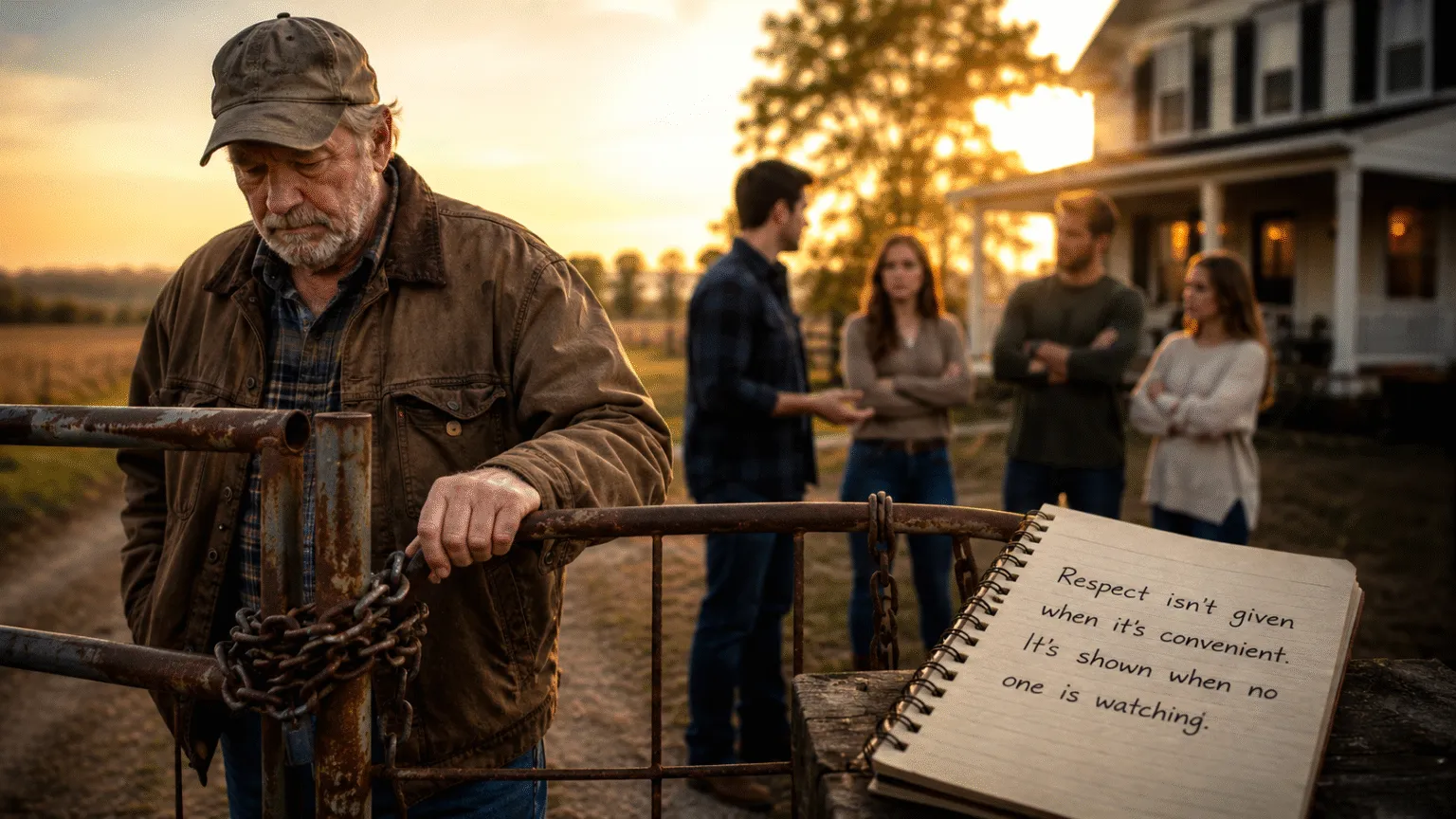
When my son removed me from the family group chat, I thought it had to be a mistake. We had shared birthdays, holiday plans, and family updates there for years. So I called him to ask what had happened.
His answer caught me off guard.
“Mom, it was for working adults. You wouldn’t really understand what we talk about.”
At 76 years old, after raising my children and spending decades helping build our family farm with my late husband, those words hurt more than I expected. It wasn’t just about a group chat—it felt like I was slowly being left out of the family I had devoted my life to.
My husband, José, and I spent years creating our farm through hard work and determination. Every fruit tree, every fence, and every corner of the property held memories of the sacrifices we made together. Over time, however, the farm became more than a family home. It became the place where everyone gathered for weekends, holidays, and celebrations.
I always welcomed them with open arms.
I kept fresh food in the refrigerator, prepared homemade preserves, made sure the guest rooms were ready, and even left a spare key under the flowerpot so everyone could come and go easily.
I believed those small acts were my way of showing love.
A few days after being removed from the family chat, my daughter-in-law sent me a short message.
“Leave the keys where they always are. We’re coming Friday with the kids.”
There was no greeting, no question about how I was doing, and no request to see if the visit worked for me.
Only a simple expectation.
Twelve family members had already planned an entire weekend at my home without asking whether I was available.
That message made me realize something important. Somewhere along the way, my home had stopped feeling like my home. It had become a place everyone expected to use whenever it was convenient.
I decided to arrive at the farm a day early.
Juan, the longtime caretaker and trusted friend, welcomed me with a warm cup of tea. He noticed I was quieter than usual but respected my need for space.
While sitting in the living room, I noticed an old brown leather notebook that José had carefully made years before. Inside were handwritten notes documenting the history of our farm—expenses, improvements, family milestones, and the countless sacrifices that had shaped our lives together.
It wasn’t just a notebook.
It represented decades of memories, perseverance, and the story of everything we had built.
Later that afternoon, my son Carlos arrived before everyone else.
He walked inside confidently, barely acknowledging me before asking about the weekend plans.
When I mentioned being removed from the family chat and not knowing they were coming, he simply replied,
“We didn’t want to bother you with conversations about work.”
As he looked around the room, he picked up the old notebook, flipped through a few pages, and casually set it aside, saying it was probably time to clear out old things.
I quietly retrieved it after he left the room.
At that moment, I realized the notebook meant far more to me than anyone else understood.
That evening, as more family members arrived laughing, carrying luggage and food for the weekend, I watched from my bedroom window.
The house felt busy, but something inside me had changed.
For the first time, I stopped trying to earn a place in my own family through constant giving.
Instead, I spent the evening reflecting on the years José and I had spent building our life together and thinking about what truly mattered.
The following morning, when everyone gathered expecting another carefree weekend at the farm, they discovered that things would not be quite the same.
Sometimes, meaningful conversations begin only after healthy boundaries are finally put in place.