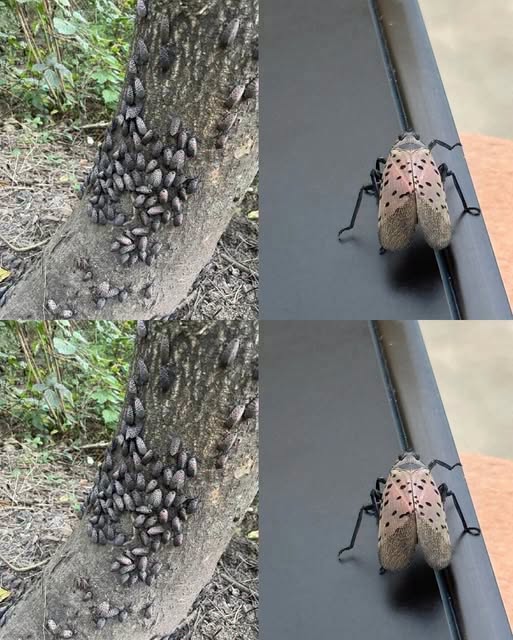
A healthy garden is a source of pride for many homeowners, but invasive insects can sometimes threaten trees, plants, and outdoor spaces. One insect that has attracted attention in recent years is the spotted lanternfly. While it may appear colorful and harmless at first glance, this invasive species can cause significant damage to certain trees and crops if left unmanaged.
If you’ve noticed unusual insects with spotted wings or sticky residue on your trees and outdoor furniture, learning how to identify and manage spotted lanternflies can help protect your landscape.
What Is the Spotted Lanternfly?
The spotted lanternfly is an invasive insect that feeds on the sap of many different plants. Native to Asia, it has spread to several regions where it poses challenges for homeowners, farmers, and local ecosystems.
Rather than chewing leaves, these insects use specialized mouthparts to feed on plant sap. During feeding, they produce a sugary substance known as honeydew, which can coat leaves, decks, patios, vehicles, and outdoor furniture. Over time, this sticky residue encourages the growth of sooty mold, a black fungus that can reduce sunlight reaching plant leaves and affect their overall health.
Signs of a Spotted Lanternfly Infestation
One of the first signs of a spotted lanternfly infestation is the appearance of sticky honeydew covering leaves, patios, vehicles, or outdoor furniture. As the sugary residue accumulates, black sooty mold may begin growing on leaves and nearby surfaces. You may also notice groups of lanternflies gathering on tree trunks or branches, while some trees and vines may gradually show signs of declining health. The honeydew can also attract bees, wasps, and other insects that feed on sugary substances. Although healthy mature trees can often tolerate some feeding, repeated infestations may weaken plants over time.
How to Identify Spotted Lanternflies
Recognizing the insect during each stage of its life cycle makes early management much easier. During late spring and early summer, young nymphs are small, black, wingless insects covered with bright white spots. They move quickly and are known for their ability to jump from plant to plant.
As summer progresses, the nymphs become larger and develop vibrant red coloring with black and white markings, making them easier to recognize. By late summer and into fall, adult spotted lanternflies appear. Adults are about one inch long and have gray forewings decorated with black spots. When they open their wings to fly, bright red hindwings become visible, creating one of the insect’s most recognizable features.
Practical Ways to Reduce Their Numbers
Managing spotted lanternflies requires a combination of monitoring, removal, and prevention. If you notice individual insects on your property, removing them by hand or using other appropriate control methods can help reduce local populations, particularly before they reproduce.
During late fall and winter, inspect tree trunks, fences, sheds, outdoor furniture, and other smooth surfaces for egg masses. These egg masses often resemble patches of dried mud and can contain many eggs. Scraping them into a container filled with rubbing alcohol or hand sanitizer helps prevent hundreds of young lanternflies from hatching the following season.
Watch for the Tree of Heaven
One plant closely associated with spotted lanternflies is the Tree of Heaven, an invasive species that serves as one of their preferred host plants. If this tree is growing on your property, consider consulting a certified arborist or your local extension service about the most appropriate management options. In some situations, removing the tree may reduce lanternfly activity, while in other cases professionals may recommend using it as a carefully managed trap tree.
Use Traps Responsibly
Sticky bands placed around tree trunks can help capture climbing nymphs, but they should always be used responsibly. Birds, squirrels, and beneficial insects may accidentally become trapped if the bands are left uncovered. Protecting sticky bands with wire mesh or hardware cloth can greatly reduce the risk to wildlife while still allowing the traps to function effectively.
Why Early Action Matters
The spotted lanternfly has relatively few natural controls in many of the regions where it has become established. Because these insects can hitch rides on vehicles, outdoor equipment, firewood, trailers, and other materials, they are capable of spreading to new areas quickly. For this reason, early detection and responsible management play an important role in slowing their spread.
If you discover spotted lanternflies in an area where they have not previously been reported, your local Department of Agriculture or agricultural extension office may encourage residents to report sightings. Community awareness and cooperation are valuable tools in managing invasive species.
Protecting Your Landscape
Maintaining a healthy yard begins with regular observation and consistent care. Checking trees for sticky residue, watching for egg masses during the colder months, and responding promptly when insects are found can all help reduce their impact. While spotted lanternflies can be difficult to eliminate completely, early intervention and proper management can protect trees, gardens, vineyards, and other valuable plants.
With patience and continued monitoring, homeowners can help limit the spread of this invasive insect while preserving healthy outdoor spaces for future seasons. Small actions taken today can contribute to healthier landscapes and stronger local ecosystems in the years ahead.