After a long day, I decided to order a pizza for dinner. Everything looked normal when the delivery driver handed me the box, and I couldn’t wait to enjoy a hot meal. But as soon as I opened it, one detail immediately caught my attention.
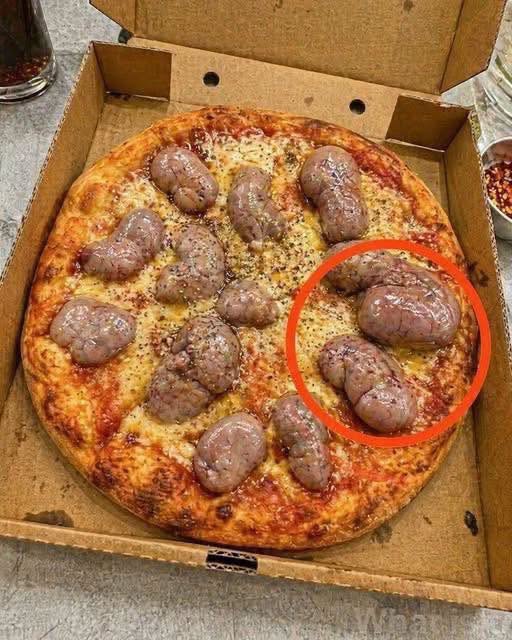
Scattered across the melted cheese were several smooth, raised bubbles. They looked unusual enough to make me pause before taking the first bite. At first glance, I wondered if something had gone wrong during the baking process or if the pizza was still safe to eat.
Instead of making assumptions, I took a closer look. The bubbles were glossy, evenly browned, and completely dry. There were no strange colors, unpleasant smells, or signs that the pizza had spoiled. They simply appeared as small domes rising from the cheese, giving the pizza a different appearance than I was used to seeing.
Curious to understand what caused them, I searched online to see if anyone else had experienced the same thing. It didn’t take long to find countless discussions from pizza lovers, home cooks, professional bakers, and restaurant employees who had noticed identical bubbles on freshly baked pizzas.
According to baking experts, these bubbles are usually a natural result of the cooking process. As pizza bakes in a very hot oven, moisture inside the dough and beneath the cheese quickly turns into steam. At the same time, trapped air expands because of the intense heat. When the steam and air push upward, they create rounded pockets beneath the cheese, forming the bubbles that many people notice after baking.
The type of cheese, the amount of moisture in the ingredients, the thickness of the dough, and the temperature of the oven can all influence how many bubbles appear. High-temperature pizza ovens, especially those used by pizzerias, often create these air pockets because they cook pizzas so quickly.
Many experienced pizza makers even consider these bubbles a normal sign that the pizza was baked at a high temperature. In some cases, the browned bubbles can add a slightly crisp texture and extra flavor, making them a favorite part of the pizza for some people.
Of course, appearance alone should never determine whether food is safe to eat. If a pizza has an unpleasant odor, visible mold, unusual discoloration, or has been left unrefrigerated for too long, it should be discarded. However, smooth bubbles on freshly baked cheese are generally considered a normal part of the baking process rather than a sign of spoilage.
Learning the reason behind those unusual-looking bubbles completely changed my perspective. What initially seemed strange turned out to be a simple example of how heat, steam, and dough interact during baking. Sometimes foods develop unique shapes and textures that may look unfamiliar but are perfectly ordinary.
That evening reminded me that not every unexpected detail is a cause for concern. A little curiosity can often replace uncertainty with understanding, making everyday experiences a little more interesting—and in this case, making that slice of pizza even more enjoyable.