It’s easy to overlook a small cut, scrape, or insect bite, especially when it seems minor. Most heal without any problems, but in some cases, bacteria can enter through damaged skin and lead to an infection. Recognizing the early warning signs and taking simple preventive steps can help reduce the risk of complications.
Why Small Skin Injuries Matter
Your skin serves as your body’s natural protective barrier against bacteria and other harmful microorganisms. Even a tiny scratch, thorn prick, paper cut, or insect bite can create an opening where germs may enter. Fortunately, most minor wounds heal normally with proper care, but occasionally an infection can develop if bacteria begin multiplying beneath the skin.
Some people have a greater risk of developing skin infections, including older adults, individuals with diabetes, people with weakened immune systems, those taking medications that suppress immune function, and individuals living with chronic skin conditions.
Early Signs of a Skin Infection
Redness That Continues to Spread
A small amount of redness around a wound is often part of the normal healing process. However, if the redness gradually expands beyond the original injury or continues to worsen over time, it may indicate an infection that requires medical attention.
Increasing Pain or Tenderness
Minor discomfort usually improves as a wound heals. If the pain becomes stronger instead of fading, or if the area begins to throb or feel unusually tender, it could be an early warning sign that the wound is infected.
Swelling That Gets Worse
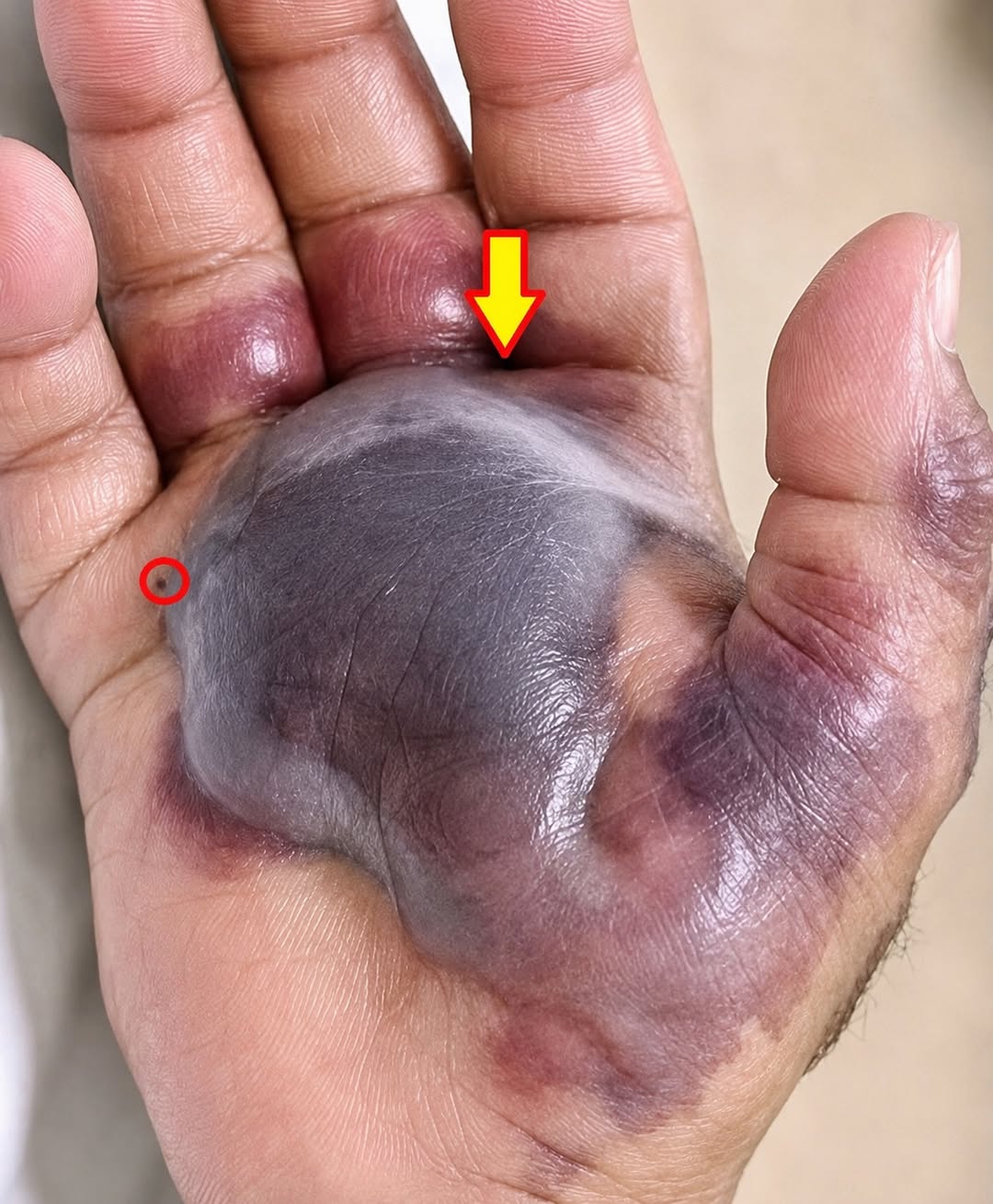
Some swelling is expected after a minor injury. However, swelling that continues to increase or spreads beyond the affected area may suggest that the body’s inflammatory response is becoming more significant.
Warmth Around the Area
An infected wound often feels warmer than the surrounding skin because increased blood flow is part of the body’s response to infection. Persistent or spreading warmth should not be ignored.
Fever or Feeling Unwell
If an infection begins affecting the body beyond the wound itself, you may develop a fever, chills, fatigue, or simply feel generally unwell. These symptoms deserve prompt medical evaluation.
Pus or Unusual Drainage
A healing wound may produce a small amount of clear fluid, but thick yellow, green, cloudy, or foul-smelling drainage may indicate an infection that requires treatment.
A Wound That Isn’t Improving
Most minor wounds begin showing signs of healing within a few days. If the wound appears larger, deeper, or simply fails to improve after several days, it is a good idea to consult a healthcare provider.
What You Should Do
If you notice any of these warning signs, don’t assume the problem will resolve on its own. Contact a healthcare professional and explain your symptoms. Continue keeping the wound clean by washing it gently with mild soap and water, cover it with a clean bandage, and avoid squeezing or attempting to drain the wound yourself. Monitoring the area each day can help you notice any changes that require medical attention.
Proper Care for Minor Cuts and Scrapes
Good wound care is one of the best ways to reduce the risk of infection. Wash the injury gently with clean water and mild soap, dry it carefully with a clean towel, and apply an over-the-counter antibiotic ointment if appropriate. Cover the wound with a clean bandage and replace the dressing every day or whenever it becomes wet or dirty. Allow the wound to heal naturally and avoid picking at scabs.
Caring for Insect Bites
Most insect bites improve with simple home care. Cleaning the area with mild soap and water, applying a cold compress to reduce swelling, and avoiding scratching can help prevent further irritation. If itching becomes bothersome, an over-the-counter anti-itch cream may provide relief. Continue watching the bite for increasing redness, swelling, warmth, or drainage.
Tips to Help Prevent Infection
Practicing good hygiene can significantly reduce the chance of infection after a minor injury. Wash your hands before treating a wound, keep the area clean and dry, replace bandages regularly, and use clean tools when removing splinters or trimming nails. Checking the wound daily allows you to notice any changes early and seek medical advice if necessary.
Frequently Asked Questions
What commonly causes skin infections?
Many skin infections are caused by bacteria that enter through even the smallest break in the skin. Proper wound care helps lower this risk.
How can I tell if a wound is healing normally?
A healing wound generally becomes less painful and less red over time. If redness spreads, swelling increases, pain worsens, or you develop a fever, you should seek medical advice.
Can every infected wound be treated at home?
Some mild infections may improve with appropriate wound care, but worsening symptoms or signs of a more serious infection should always be evaluated by a healthcare professional.
Why are older adults at greater risk?
As people age, the skin becomes thinner and the immune system may respond less effectively, making infections more likely and slowing the healing process.
When should I seek medical care?
Medical attention is recommended if you notice rapidly spreading redness, severe pain, increasing swelling, fever, significant drainage, or a wound that continues to worsen instead of healing.
Final Thoughts
Most cuts, scrapes, and insect bites heal without complications. However, paying close attention to changes such as increasing redness, swelling, warmth, pain, or unusual drainage can help identify a possible infection before it becomes more serious.
Keeping wounds clean, protecting them during healing, and seeking medical advice when symptoms worsen are simple steps that support healthy recovery. If something about a wound doesn’t seem right or symptoms continue to progress, consulting a qualified healthcare professional is always the safest choice.